THE ADVENTURE COLLECTIVE® · Independent discovery and booking for outdoor travel

Spend two active days walking the Muong Hoa Valley from Sapa to Ta Van, staying in a village homestay and visiting Black H’mong and Red Dao communities. Expect terraced fields, stone bridges, and cultural exchange on steady, non-technical trails.
Spend two active days walking the Muong Hoa Valley from Sapa to Ta Van, staying in a village homestay and visiting Black H’mong and Red Dao communities. Expect terraced fields, stone bridges, and cultural exchange on steady, non-technical trails.
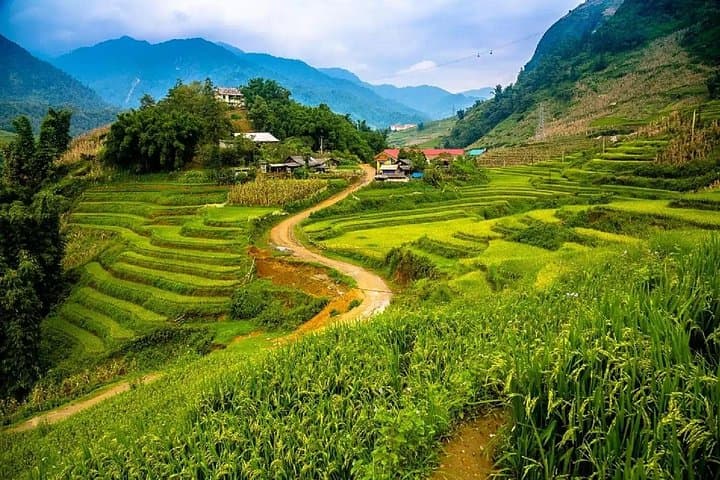
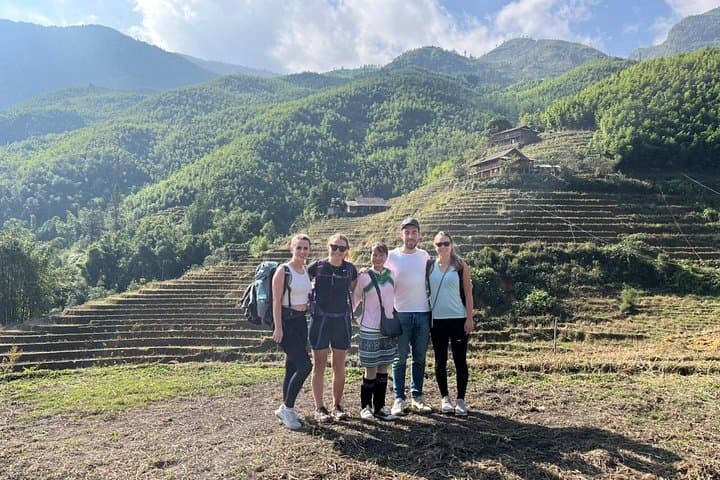
Clouds lift like gauze over the Hoàng Liên Sơn as trekkers step off the minibus and into cool mountain air. The trail falls away into carved rice terraces, and the valley seems to breathe—streams urging feet forward, stone steps holding the memory of generations.
Verified experiences and guided adventures in the surrounding area.
Operated by Mekong Tourist · Sapa, Lao Cai
Clouds lift like gauze over the Hoàng Liên Sơn as trekkers step off the minibus and into cool mountain air. The trail falls away into carved rice terraces, and the valley seems to breathe—streams urging feet forward, stone steps holding the memory of generations.
This compact 2-day route threads Sapa town to Ta Van and Giang Ta Chai villages, passing Black H’Mong and Red Dao hamlets. The Hoàng Liên Sơn range is geologically young, its limestone and shale etched by monsoon-runoff into narrow valleys and stepped fields. Sapa’s hill-station history—shaped by French colonial resorts and long-standing ethnic cultures—remains visible in wooden houses, indigo textiles, and terraced agriculture.
On the first afternoon a 9 km walk follows Muong Hoa Valley’s ridgelines into Ta Van; expect narrow paths, stone bridges, and small tunnels carved for foot traffic. Night is spent in a local homestay where shared meals showcase mountain herbs and sticky rice; morning moves on to Giang Ta Chai for another 8 km of village trails and forested slopes before a return to Sapa and a night bus to Hanoi.
Practical guidance: pack layered clothing for rapid temperature swings, a waterproof shell for sudden tropical rain, and a daypack with water and snacks—the walking is steady but not technical. Footwear with good grip and ankle support will make steep, wet terraces feel safer. Respect local etiquette: ask before photographing people and support homestay economies. Timing your trip outside peak monsoon (late May–September) improves footing and views, while winter brings dramatic mists and brisk nights.
The walks are classified as moderate: non-technical but on uneven paths with short climbs—suitable for most people in reasonable fitness.
One night at a local homestay in Ta Van village with shared rooms and home-cooked meals is provided.
Yes—meals as listed (breakfast, lunches, dinner) and round-trip sleeper bus transport between Hanoi and Sapa are included.
The operator notes it’s not recommended for travelers with serious back or heart conditions, or for pregnant travelers; infants must sit on laps.
Mekong Tourist operates guided outdoor trips and adventures with an emphasis on safety, stewardship, and memorable experiences.

Clouds lift like gauze over the Hoàng Liên Sơn as trekkers step off the minibus and into cool mountain air. The trail falls away into carved rice terraces, and the valley seems to breathe—streams urging feet forward, stone steps holding the memory of generations.
Clouds lift like gauze over the Hoàng Liên Sơn as trekkers step off the minibus and into cool mountain air. The trail falls away into carved rice terraces, and the valley seems to breathe—streams urging feet forward, stone steps holding the memory of generations.
This compact 2-day route threads Sapa town to Ta Van and Giang Ta Chai villages, passing Black H’Mong and Red Dao hamlets. The Hoàng Liên Sơn range is geologically young, its limestone and shale etched by monsoon-runoff into narrow valleys and stepped fields. Sapa’s hill-station history—shaped by French colonial resorts and long-standing ethnic cultures—remains visible in wooden houses, indigo textiles, and terraced agriculture.
On the first afternoon a 9 km walk follows Muong Hoa Valley’s ridgelines into Ta Van; expect narrow paths, stone bridges, and small tunnels carved for foot traffic. Night is spent in a local homestay where shared meals showcase mountain herbs and sticky rice; morning moves on to Giang Ta Chai for another 8 km of village trails and forested slopes before a return to Sapa and a night bus to Hanoi.
Practical guidance: pack layered clothing for rapid temperature swings, a waterproof shell for sudden tropical rain, and a daypack with water and snacks—the walking is steady but not technical. Footwear with good grip and ankle support will make steep, wet terraces feel safer. Respect local etiquette: ask before photographing people and support homestay economies. Timing your trip outside peak monsoon (late May–September) improves footing and views, while winter brings dramatic mists and brisk nights.