THE ADVENTURE COLLECTIVE® · Independent discovery and booking for outdoor travel

A concise, two-day immersion into Serengeti wildlife, starting from Mwanza. Expect sunrise and sunset game drives, nights at Nyani public campsite, and guided viewing from an open-roof 4x4.
A concise, two-day immersion into Serengeti wildlife, starting from Mwanza. Expect sunrise and sunset game drives, nights at Nyani public campsite, and guided viewing from an open-roof 4x4.
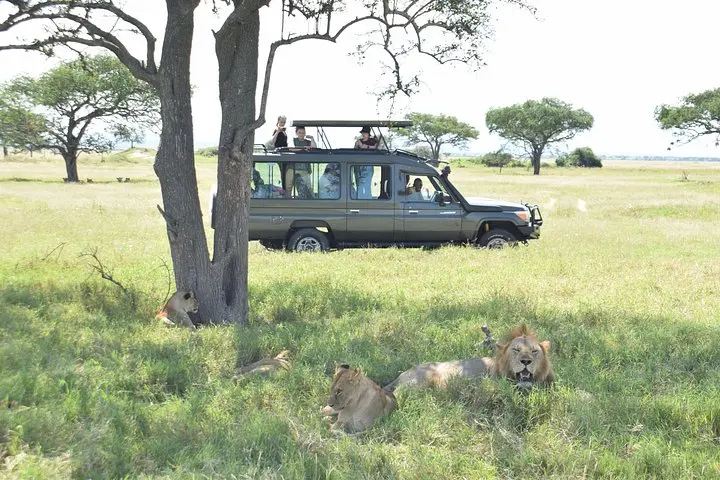
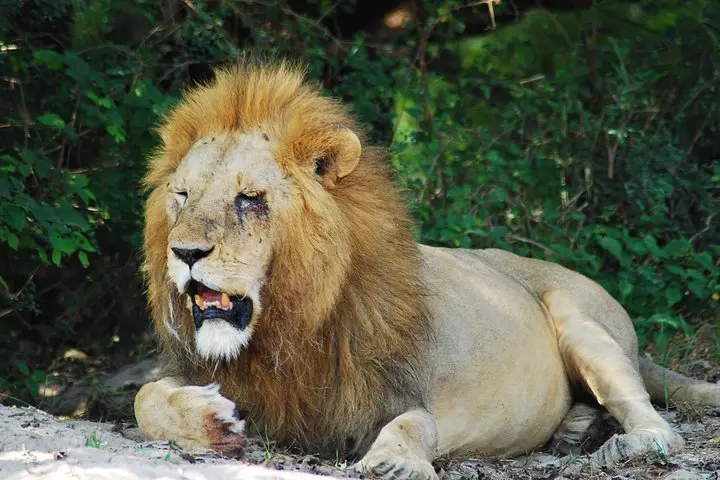
You step out of the 4x4 at first light and the plain exhales — a slow, dry breath that lifts dust into gold. The air still remembers Lake Victoria, just an hour and a half behind you, but here the horizon is a map of grasses and kopjes where lions fold into the rock. This is the Serengeti on a two-day rhythm: long drives, short nights around a campfire, and two full days of game drives timed for the slice of daylight when predators move and the plains reveal themselves.
Verified experiences and guided adventures in the surrounding area.
Operated by African Diurnal Safaris & Tours · Mwanza, Mwanza Region
You step out of the 4x4 at first light and the plain exhales — a slow, dry breath that lifts dust into gold. The air still remembers Lake Victoria, just an hour and a half behind you, but here the horizon is a map of grasses and kopjes where lions fold into the rock. This is the Serengeti on a two-day rhythm: long drives, short nights around a campfire, and two full days of game drives timed for the slice of daylight when predators move and the plains reveal themselves.
The route from Mwanza follows a corridor used for generations of seasonal movement: first through the dusty outskirts of the lakeside city, then over scrub and low hills to Ndabaka gate and into the park. Geologically the Serengeti is simple and vast — ancient volcanic soils under broad, undulating grasslands, punctuated by granite kopjes that serve as lookouts for both cats and photographers. Culturally, the region is shaped by Maasai pastoralism and a history of colonial-era conservation decisions that turned migratory pathways into protected space.
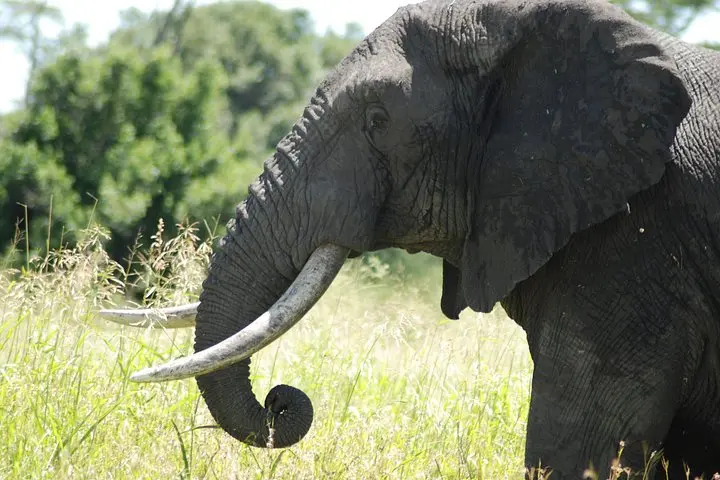
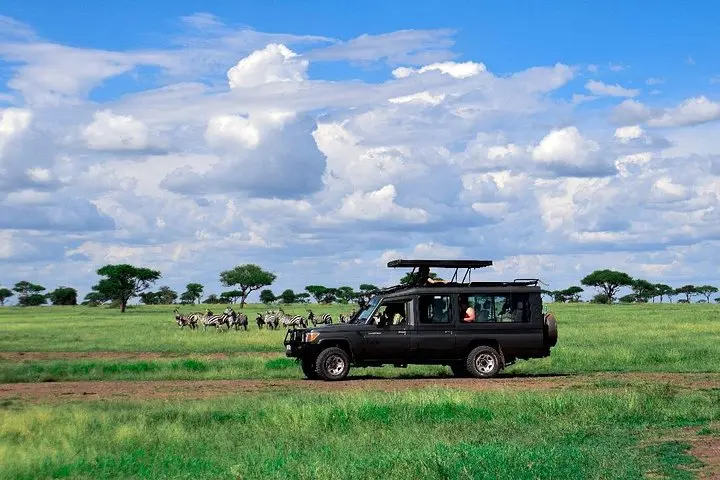
On day one you’ll arrive at Nyani public campsite after an afternoon game drive; tents and a cook are included, so the logistics remain quiet while the savanna does the storytelling. Expect to see grazers in tight herds — wildebeest and zebra — with scattered giraffe and elephant. On the second morning the guide pushes you out before sunrise: light matters here. Early hours bring crisp silhouettes, steaming breath from larger mammals and a chorus of birds that insists you keep the camera ready.
Practicalities are straightforward but matter. The driving windows between Mwanza and entry gates are roughly two hours; once inside, full-day drives can stretch 6–10 hours depending on sightings. Temperatures swing: cool mornings (pack a warm layer), hot midday, and chilly nights at camp. Wildlife viewing requires patience and a good guide; the tour supplies an open-roof 4x4 and guaranteed window seat for photos. Park fees and camping equipment are included, but bring local currency, a headlamp, and a good pair of binoculars.
Leave space for respect: follow your guide’s instructions, keep distance from animals, and minimize plastic. The Serengeti is resilient but finite — your footprint matters.
If you want a compact, high-impact introduction to Tanzania’s most famous park, this two-day safari is built for it: big skies, steady drives, and a single, essential goal — being present while the plain moves on its own timetable. Plan for early starts, bring layers, and let the guides handle the route while you learn to read the land.
The transfer to Ndabaka gate is roughly two hours from Mwanza, with additional driving inside the park during game drives—plan for several hours in the vehicle each day.
Yes; the tour includes camping equipment, a professional cook, and meals listed in the itinerary (breakfasts, lunches, dinners where specified).
The operator notes the itinerary is suitable for all fitness levels, but expect dusty roads, long drives, and basic campsite facilities; infants must sit on laps during transfers.
In two days expect sightings of wildebeest, zebra, gazelle, giraffe, elephant, and frequently lions and hyenas; sightings depend on season and luck.
Check with your physician for recommended vaccinations (e.g., yellow fever if required), and verify visa requirements for Tanzania well before travel.
Tipping is customary; typical guidance is to tip guides and drivers daily (amount varies by group size) and a pooled tip for camp staff at trip end.
African Diurnal Safaris & Tours operates guided outdoor trips and adventures with an emphasis on safety, stewardship, and memorable experiences.
You step out of the 4x4 at first light and the plain exhales — a slow, dry breath that lifts dust into gold. The air still remembers Lake Victoria, just an hour and a half behind you, but here the horizon is a map of grasses and kopjes where lions fold into the rock. This is the Serengeti on a two-day rhythm: long drives, short nights around a campfire, and two full days of game drives timed for the slice of daylight when predators move and the plains reveal themselves.
You step out of the 4x4 at first light and the plain exhales — a slow, dry breath that lifts dust into gold. The air still remembers Lake Victoria, just an hour and a half behind you, but here the horizon is a map of grasses and kopjes where lions fold into the rock. This is the Serengeti on a two-day rhythm: long drives, short nights around a campfire, and two full days of game drives timed for the slice of daylight when predators move and the plains reveal themselves.
The route from Mwanza follows a corridor used for generations of seasonal movement: first through the dusty outskirts of the lakeside city, then over scrub and low hills to Ndabaka gate and into the park. Geologically the Serengeti is simple and vast — ancient volcanic soils under broad, undulating grasslands, punctuated by granite kopjes that serve as lookouts for both cats and photographers. Culturally, the region is shaped by Maasai pastoralism and a history of colonial-era conservation decisions that turned migratory pathways into protected space.
On day one you’ll arrive at Nyani public campsite after an afternoon game drive; tents and a cook are included, so the logistics remain quiet while the savanna does the storytelling. Expect to see grazers in tight herds — wildebeest and zebra — with scattered giraffe and elephant. On the second morning the guide pushes you out before sunrise: light matters here. Early hours bring crisp silhouettes, steaming breath from larger mammals and a chorus of birds that insists you keep the camera ready.
Practicalities are straightforward but matter. The driving windows between Mwanza and entry gates are roughly two hours; once inside, full-day drives can stretch 6–10 hours depending on sightings. Temperatures swing: cool mornings (pack a warm layer), hot midday, and chilly nights at camp. Wildlife viewing requires patience and a good guide; the tour supplies an open-roof 4x4 and guaranteed window seat for photos. Park fees and camping equipment are included, but bring local currency, a headlamp, and a good pair of binoculars.
Leave space for respect: follow your guide’s instructions, keep distance from animals, and minimize plastic. The Serengeti is resilient but finite — your footprint matters.
If you want a compact, high-impact introduction to Tanzania’s most famous park, this two-day safari is built for it: big skies, steady drives, and a single, essential goal — being present while the plain moves on its own timetable. Plan for early starts, bring layers, and let the guides handle the route while you learn to read the land.