THE ADVENTURE COLLECTIVE® · Independent discovery and booking for outdoor travel

A compact, adventure-forward safari that takes you from Mwanza to the Serengeti in two days — game drives, a campsite night under African stars, and time in the wildlife-rich Seronera Valley. This guide covers logistics, what to expect, and practical packing tips.
A compact, adventure-forward safari that takes you from Mwanza to the Serengeti in two days — game drives, a campsite night under African stars, and time in the wildlife-rich Seronera Valley. This guide covers logistics, what to expect, and practical packing tips.
Dust rises in a long ribbon behind the 4x4 as you leave Mwanza at dawn, the lakeshore giving way to scrub and sun-baked plains. By midday the landscape opens into the Serengeti — a broad, wind-swept stage where acacia-dotted kopjes puncture the horizon and herds move like a living current.
Verified experiences and guided adventures in the surrounding area.
Operated by AFRICA NATURAL TOURS · Seronera, Mara Region
Dust rises in a long ribbon behind the 4x4 as you leave Mwanza at dawn, the lakeshore giving way to scrub and sun-baked plains. By midday the landscape opens into the Serengeti — a broad, wind-swept stage where acacia-dotted kopjes puncture the horizon and herds move like a living current.
The Serengeti's story is geological and ancient: volcanic soils, shallow basins, and riverine corridors that feed the seasons. Culturally, the Maasai have grazed these lands for generations; today the park is managed with a mix of conservation priorities and community relationships. The Great Migration — millions of wildebeest and zebra following rains — is the ecosystem's pulse and the best reason to time a visit right.
This 2-day route from Mwanza drives roughly 7–8 hours into the park on day one for an afternoon game drive and an overnight at Nyani Campsite; day two starts with a sunrise drive, a picnic, and time in the Seronera Valley before returning. Expect dusty tracks, sudden sightings of predators, and long stretches of quiet plains.
Practical notes: departures are early, so sleep and motion-sickness preparations help; park fees, vehicle, guide, meals, bottled water and basic accommodations are included. Bring binoculars, a 200–400mm camera lens if you can, layered clothing for cool mornings, malaria precautions, and a small daypack. Wildlife is never guaranteed, but Seronera’s concentrations improve odds. Respect viewing distances, follow your guide, and leave no trace — the Serengeti runs on careful stewardship.
Expect approximately 7–8 hours on day one depending on road conditions and stops; the return follows a similar schedule.
Yes — entrance fees, basic accommodations at the listed campsite or lodge, meals, drinking water, and a licensed driver-guide are included in the package.
Yellow fever vaccination may be required depending on origin; malaria prophylaxis is recommended — check current medical advice and consult your doctor before travel.
Wildlife sightings are common in Seronera, but neither the Big Five nor migration crossings are guaranteed; sightings depend on season, timing, and animal movement.
AFRICA NATURAL TOURS operates guided outdoor trips and adventures with an emphasis on safety, stewardship, and memorable experiences.
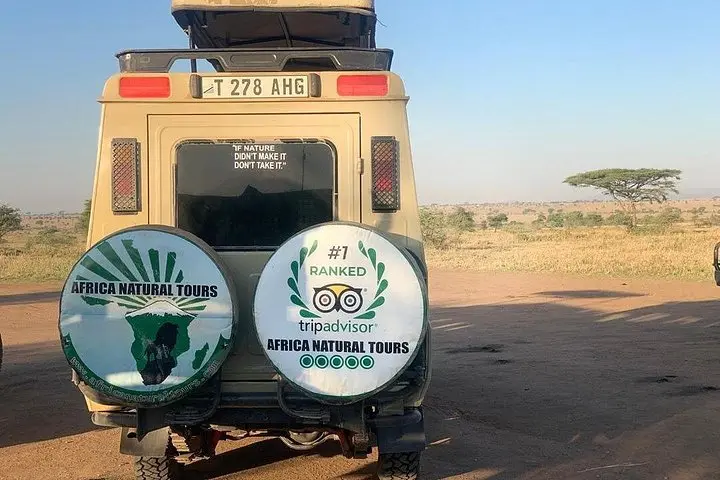
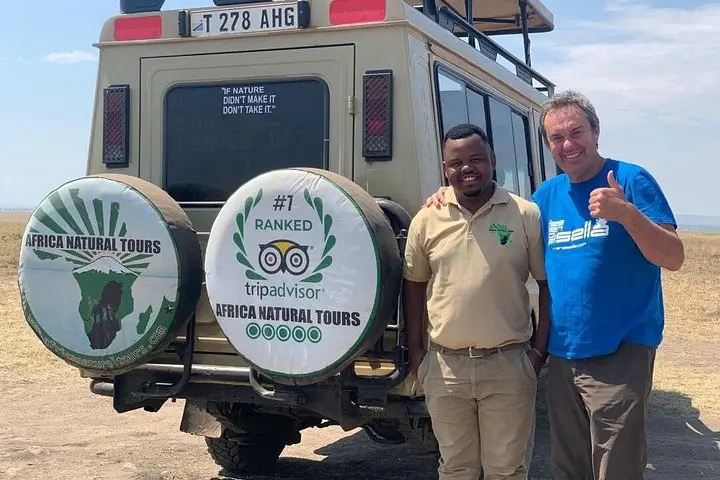

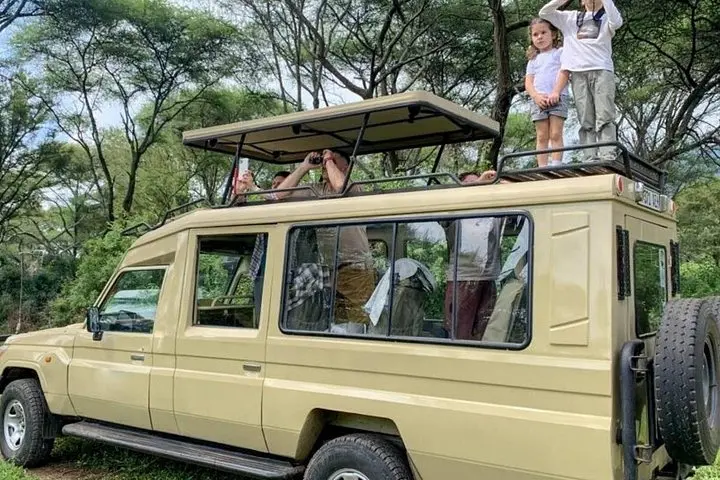
Dust rises in a long ribbon behind the 4x4 as you leave Mwanza at dawn, the lakeshore giving way to scrub and sun-baked plains. By midday the landscape opens into the Serengeti — a broad, wind-swept stage where acacia-dotted kopjes puncture the horizon and herds move like a living current.
Dust rises in a long ribbon behind the 4x4 as you leave Mwanza at dawn, the lakeshore giving way to scrub and sun-baked plains. By midday the landscape opens into the Serengeti — a broad, wind-swept stage where acacia-dotted kopjes puncture the horizon and herds move like a living current.
The Serengeti's story is geological and ancient: volcanic soils, shallow basins, and riverine corridors that feed the seasons. Culturally, the Maasai have grazed these lands for generations; today the park is managed with a mix of conservation priorities and community relationships. The Great Migration — millions of wildebeest and zebra following rains — is the ecosystem's pulse and the best reason to time a visit right.
This 2-day route from Mwanza drives roughly 7–8 hours into the park on day one for an afternoon game drive and an overnight at Nyani Campsite; day two starts with a sunrise drive, a picnic, and time in the Seronera Valley before returning. Expect dusty tracks, sudden sightings of predators, and long stretches of quiet plains.
Practical notes: departures are early, so sleep and motion-sickness preparations help; park fees, vehicle, guide, meals, bottled water and basic accommodations are included. Bring binoculars, a 200–400mm camera lens if you can, layered clothing for cool mornings, malaria precautions, and a small daypack. Wildlife is never guaranteed, but Seronera’s concentrations improve odds. Respect viewing distances, follow your guide, and leave no trace — the Serengeti runs on careful stewardship.