THE ADVENTURE COLLECTIVE® · Independent discovery and booking for outdoor travel

Hike the Short Inca Trail from KM104 to Machu Picchu in two days, sleeping in Aguas Calientes and finishing at the Sun Gate for sunrise. This moderate trek combines engineered Inca stonework, cloud-forest vistas and a guided visit to the citadel.
Hike the Short Inca Trail from KM104 to Machu Picchu in two days, sleeping in Aguas Calientes and finishing at the Sun Gate for sunrise. This moderate trek combines engineered Inca stonework, cloud-forest vistas and a guided visit to the citadel.
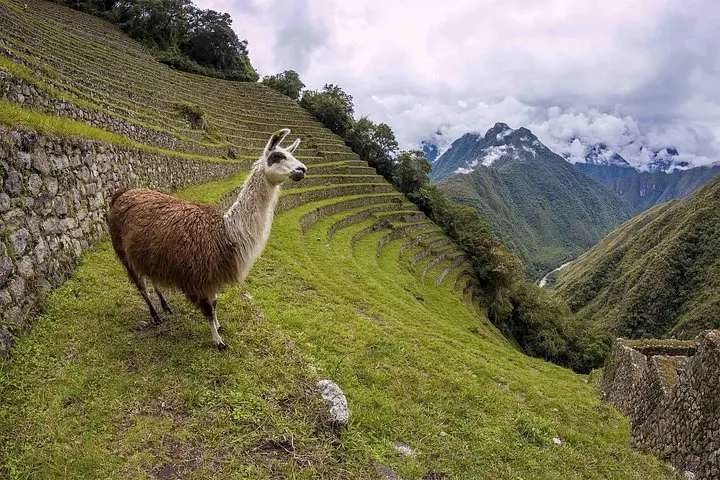
Dawn breaks over the Urubamba valley as the train slips past river gorges and eucalyptus groves toward KM104 — the short Inca Trail’s starting point. You shoulder a daypack, step onto ancient stonework and feel the stones underfoot that once guided Inca pilgrims to a high mountain citadel. The first day climbs through cloud forest to Chachabamba (2,270 m/7,448 ft) and then on to the terraces and staircases at Wiayhuayna (2,650 m/8,694 ft), with views that sharpen as the air thins.
Verified experiences and guided adventures in the surrounding area.
Operated by Guiding Machu Picchu · Aguas Calientes, Cusco Region
Dawn breaks over the Urubamba valley as the train slips past river gorges and eucalyptus groves toward KM104 — the short Inca Trail’s starting point. You shoulder a daypack, step onto ancient stonework and feel the stones underfoot that once guided Inca pilgrims to a high mountain citadel. The first day climbs through cloud forest to Chachabamba (2,270 m/7,448 ft) and then on to the terraces and staircases at Wiayhuayna (2,650 m/8,694 ft), with views that sharpen as the air thins.
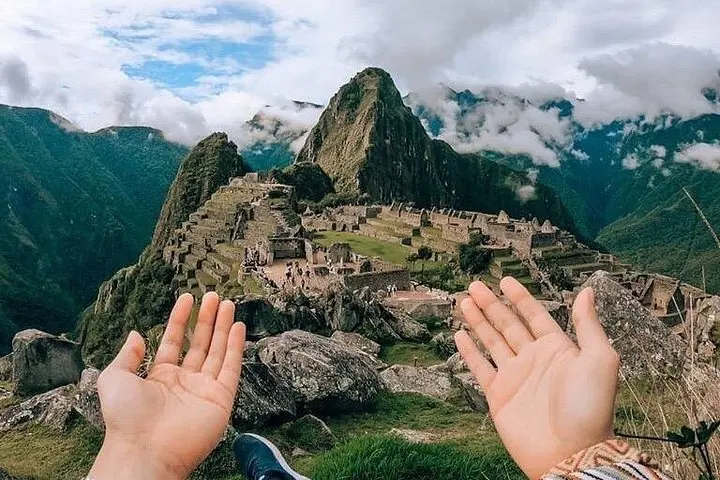
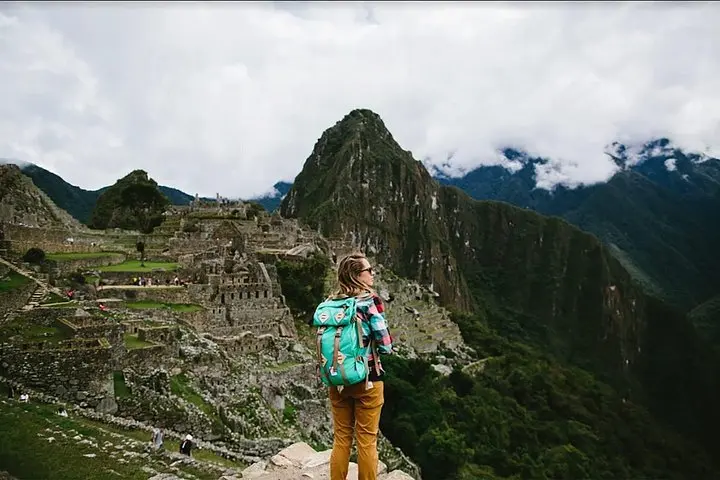
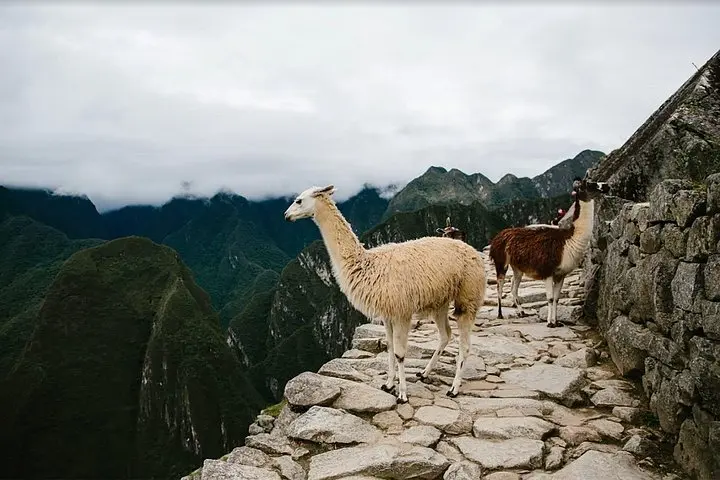
The route is both living history and geology: cut stone retaining walls, drainage channels and switchbacks mark Inca engineering while the surrounding fold-and-thrust Andes display banded granite and volcanic outcrops. Local Quechua culture threads through the trek — guides explain agricultural terraces, coca-leaf customs and the spiritual role of Inti Punku (Sun Gate) where, on the following morning, Machu Picchu appears framed by mist and serrated peaks.
Practically, this is a moderate two-day trek best attempted after a night or two in Cusco to acclimatize. Expect roughly 13 km of walking on day one with stone steps and steep sections; total elevation ranges around 2,200–2,700 m. The tour typically includes train transport, trail permit, guide, lunch and one night in Aguas Calientes. Pack waterproof layers, sturdy boots and extra water; aim to reach the Sun Gate for early light to avoid crowds. Permits are limited — book well in advance and travel with a licensed operator to ensure access and conservation-minded routing.
Yes — Inca Trail permits (including short trail slots) are limited and issued by the Peruvian authorities; reputable operators secure permits as part of the booking.
Not required, but previous exposure to elevations above 2,500 m or time spent in Cusco helps; acclimatize for 24–48 hours before hiking to lower altitude sickness risk.
Most packages include train transport to KM104, trail permit, guided hikes, lunch, one night accommodation in Aguas Calientes and return train/transport to Cusco; check your operator’s specifics.
The trip is not recommended for those with serious spinal or cardiovascular conditions; infants must sit on an adult lap and operators may have age restrictions.
Guiding Machu Picchu operates guided outdoor trips and adventures with an emphasis on safety, stewardship, and memorable experiences.
Dawn breaks over the Urubamba valley as the train slips past river gorges and eucalyptus groves toward KM104 — the short Inca Trail’s starting point. You shoulder a daypack, step onto ancient stonework and feel the stones underfoot that once guided Inca pilgrims to a high mountain citadel. The first day climbs through cloud forest to Chachabamba (2,270 m/7,448 ft) and then on to the terraces and staircases at Wiayhuayna (2,650 m/8,694 ft), with views that sharpen as the air thins.
Dawn breaks over the Urubamba valley as the train slips past river gorges and eucalyptus groves toward KM104 — the short Inca Trail’s starting point. You shoulder a daypack, step onto ancient stonework and feel the stones underfoot that once guided Inca pilgrims to a high mountain citadel. The first day climbs through cloud forest to Chachabamba (2,270 m/7,448 ft) and then on to the terraces and staircases at Wiayhuayna (2,650 m/8,694 ft), with views that sharpen as the air thins.
The route is both living history and geology: cut stone retaining walls, drainage channels and switchbacks mark Inca engineering while the surrounding fold-and-thrust Andes display banded granite and volcanic outcrops. Local Quechua culture threads through the trek — guides explain agricultural terraces, coca-leaf customs and the spiritual role of Inti Punku (Sun Gate) where, on the following morning, Machu Picchu appears framed by mist and serrated peaks.
Practically, this is a moderate two-day trek best attempted after a night or two in Cusco to acclimatize. Expect roughly 13 km of walking on day one with stone steps and steep sections; total elevation ranges around 2,200–2,700 m. The tour typically includes train transport, trail permit, guide, lunch and one night in Aguas Calientes. Pack waterproof layers, sturdy boots and extra water; aim to reach the Sun Gate for early light to avoid crowds. Permits are limited — book well in advance and travel with a licensed operator to ensure access and conservation-minded routing.