THE ADVENTURE COLLECTIVE® · Independent discovery and booking for outdoor travel

Short but steep, the 2-day Short Inca Trail compresses classic Inca trail highlights—Wiñay Wayna, cloud forest, and the Sungate—into a tightly scheduled overnight trek. Expect high-altitude stairs, train logistics and a sunrise reveal at Machu Picchu.
Short but steep, the 2-day Short Inca Trail compresses classic Inca trail highlights—Wiñay Wayna, cloud forest, and the Sungate—into a tightly scheduled overnight trek. Expect high-altitude stairs, train logistics and a sunrise reveal at Machu Picchu.
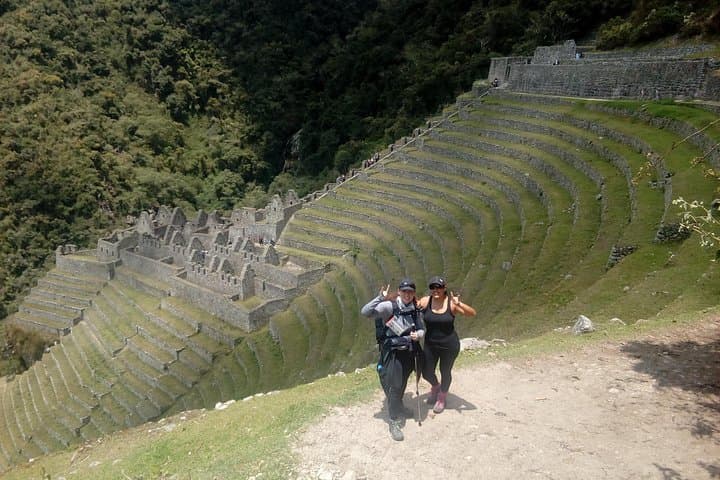
Morning fog parts over steep cloud forest as your train unwinds through Andean terraces and the trail finally narrows into ancient stonework. You step onto the Short Inca Trail at km 104, and for the next day and a half the path pulls you through moss-slick staircases, waterfalls that dare you to stop, and the broken greatness of Wiñay Wayna before delivering you to Machu Picchu’s Sungate at dawn.
Verified experiences and guided adventures in the surrounding area.
Operated by Quechuas Expeditions · Aguas Calientes, Cusco
Morning fog parts over steep cloud forest as your train unwinds through Andean terraces and the trail finally narrows into ancient stonework. You step onto the Short Inca Trail at km 104, and for the next day and a half the path pulls you through moss-slick staircases, waterfalls that dare you to stop, and the broken greatness of Wiñay Wayna before delivering you to Machu Picchu’s Sungate at dawn.
The route threads Inca engineering and highland ecology: finely fitted stones, terraces cut into volcanic slopes, and hydrology that still channels Andean rains. The Sacred Valley’s geology—uplifted volcanic and sedimentary layers carved by the Urubamba River—gives way to cloud forest biodiversity as elevation drops from roughly 2,900 m to 2,430 m at Aguas Calientes.
Culturally, you’re following the same pilgrim corridors used by the Inca to approach huacas; modern guides interpret the plazas, stairways and agricultural sectors while local communities in Cusco and Ollantaytambo maintain traditions and hospitality.
Practical guidance: start acclimatized in Cusco (3,400 m) for at least 48 hours, carry layered rain protection and a warm midlayer for pre-dawn at the Sungate, and expect 5–6 hours of active hiking on day one and a shorter morning approach on day two. Permits are required and included in organized trips; trains are timed and return logistics tie your schedule tightly to departures.
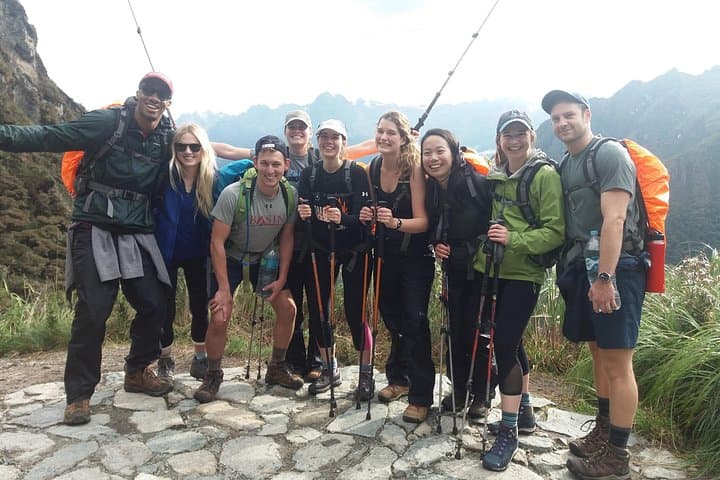
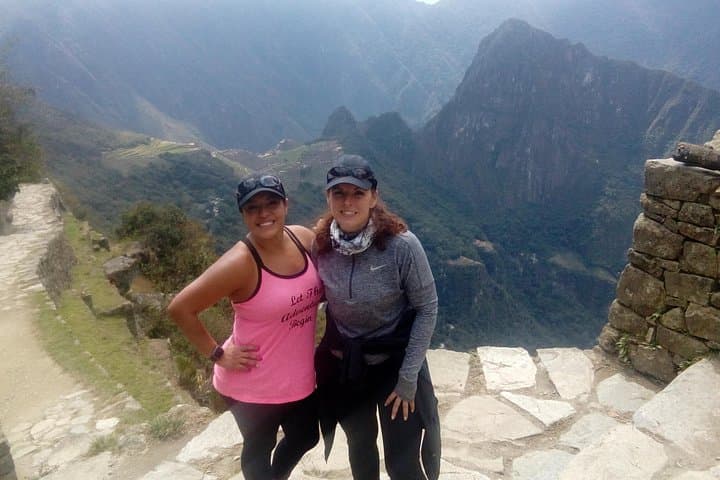
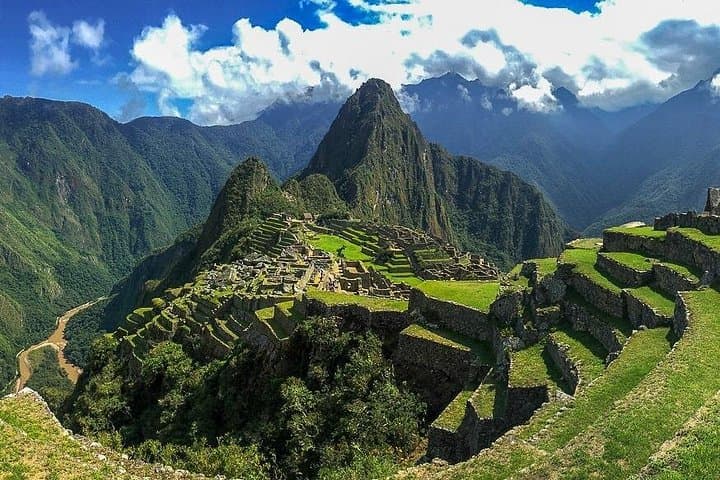
Footing varies from packed stone to muddy singletrack—sturdy, broken-in boots and trekking poles pay dividends. Hydrate, pace uphill, and save energy for the final ascent to the Sun Gate: the view opens like a revealed map, and Machu Picchu waits below, patient and immense.
It’s demanding: long uphill sections and uneven Inca steps at altitude make it challenging for those not acclimatized or unprepared.
Yes—organized tours include Inca Trail and Machu Picchu permits as well as train tickets as listed in the itinerary.
Possibly, but Huayna Picchu requires a separate timed permit which must be secured well in advance and may not be included by default.
This itinerary includes one night in a hotel in Aguas Calientes rather than camping, offering basic comfort after the first day’s hike.
Quechuas Expeditions operates guided outdoor trips and adventures with an emphasis on safety, stewardship, and memorable experiences.
Morning fog parts over steep cloud forest as your train unwinds through Andean terraces and the trail finally narrows into ancient stonework. You step onto the Short Inca Trail at km 104, and for the next day and a half the path pulls you through moss-slick staircases, waterfalls that dare you to stop, and the broken greatness of Wiñay Wayna before delivering you to Machu Picchu’s Sungate at dawn.
Morning fog parts over steep cloud forest as your train unwinds through Andean terraces and the trail finally narrows into ancient stonework. You step onto the Short Inca Trail at km 104, and for the next day and a half the path pulls you through moss-slick staircases, waterfalls that dare you to stop, and the broken greatness of Wiñay Wayna before delivering you to Machu Picchu’s Sungate at dawn.
The route threads Inca engineering and highland ecology: finely fitted stones, terraces cut into volcanic slopes, and hydrology that still channels Andean rains. The Sacred Valley’s geology—uplifted volcanic and sedimentary layers carved by the Urubamba River—gives way to cloud forest biodiversity as elevation drops from roughly 2,900 m to 2,430 m at Aguas Calientes.
Culturally, you’re following the same pilgrim corridors used by the Inca to approach huacas; modern guides interpret the plazas, stairways and agricultural sectors while local communities in Cusco and Ollantaytambo maintain traditions and hospitality.
Practical guidance: start acclimatized in Cusco (3,400 m) for at least 48 hours, carry layered rain protection and a warm midlayer for pre-dawn at the Sungate, and expect 5–6 hours of active hiking on day one and a shorter morning approach on day two. Permits are required and included in organized trips; trains are timed and return logistics tie your schedule tightly to departures.
Footing varies from packed stone to muddy singletrack—sturdy, broken-in boots and trekking poles pay dividends. Hydrate, pace uphill, and save energy for the final ascent to the Sun Gate: the view opens like a revealed map, and Machu Picchu waits below, patient and immense.