THE ADVENTURE COLLECTIVE® · Independent discovery and booking for outdoor travel

Walk the final stretch of the ancient Inca corridor and enter Machu Picchu through the Sun Gate at sunrise. This two-day itinerary blends classic stone stairways, cloud-forest ruins and an early arrival at one of the world’s great archaeological sites.
Walk the final stretch of the ancient Inca corridor and enter Machu Picchu through the Sun Gate at sunrise. This two-day itinerary blends classic stone stairways, cloud-forest ruins and an early arrival at one of the world’s great archaeological sites.
Pre-dawn air bites at 3:50 a.m. in Cusco as the van rolls toward Ollantaytambo and the train that follows along the Urubamba River. By the time you reach Km 104 the cloud forest is already awake: orchids clinging to wet stone, a chorus of birds, and the old Inca path stepping out of the trees like a carved stairway inviting you forward.
Verified experiences and guided adventures in the surrounding area.
Operated by Altitude Peru · Aguas Calientes, Cusco
Pre-dawn air bites at 3:50 a.m. in Cusco as the van rolls toward Ollantaytambo and the train that follows along the Urubamba River. By the time you reach Km 104 the cloud forest is already awake: orchids clinging to wet stone, a chorus of birds, and the old Inca path stepping out of the trees like a carved stairway inviting you forward.
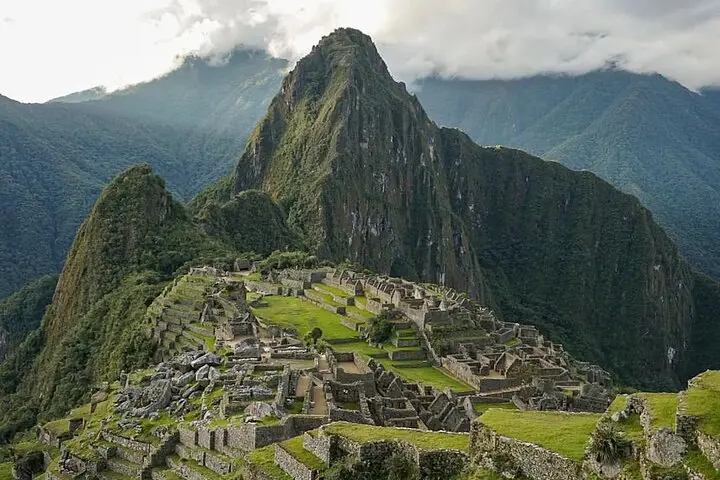
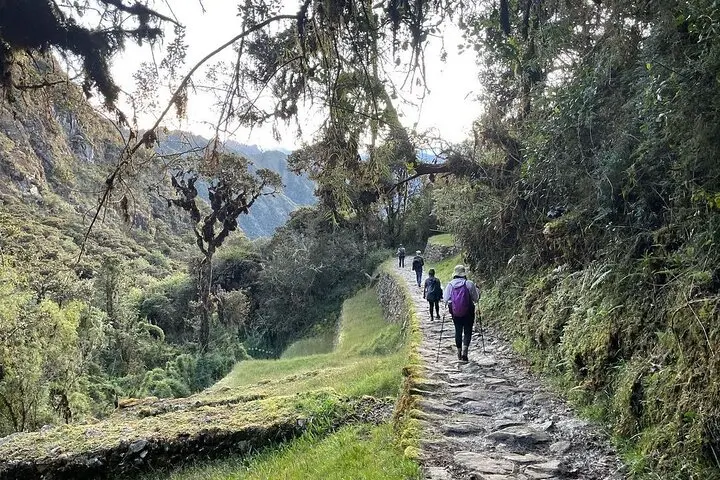
The walk follows sections of the original Inca Trail—stone staircases, narrow switchbacks and agricultural terraces—taking you past the finely worked ruins of Wiñay Wayna before climbing to the Sun Gate. From Inti Punku the first light spills over Machu Picchu’s terraces and temples; arriving at sunrise means the stone seems to breathe as mist peels away.
Geology here is dramatic: steep river-cut valleys, fractured granite, and a high, humid cloud forest that supports orchids and birds unique to the eastern Andes. Culturally this route was a ceremonial and logistical corridor for the Inca; today permits and quotas maintain that continuity by limiting daily traffic.
Practical notes: expect roughly 10–12 km of trail spread across the two days with multiple stair sections and altitudes ranging near 2,000–2,430 m (Machu Picchu itself sits at ~2,430 m). Moderate fitness and good ankle support are essential. Acclimatize in Cusco for 48 hours if you can, pack waterproof layers, and bring cash for Aguas Calientes. Book permits and train tickets well in advance—spaces sell out during the dry season (May–Sep). Move deliberately on stone steps, keep water and snacks accessible, and allow extra time at viewpoints—the route rewards slow attention.
Yes—access to the Inca Trail and Machu Picchu is controlled by permits with daily quotas; this operator includes entrance in the package but book well in advance.
Machu Picchu sits at ~2,430 m; the trail runs between roughly 2,000–2,430 m—acclimatization in Cusco is recommended to reduce headaches and fatigue.
Huayna Picchu requires a separate ticket and limited slots; the tour notes it as optional—reserve that ticket ahead if you want to summit after your guided visit.
The itinerary includes one night in Aguas Calientes, some meals (breakfast day 2, dinner and lunch day 1) and train and bus transfers as listed—check the operator details for dietary options.
Altitude Peru operates guided outdoor trips and adventures with an emphasis on safety, stewardship, and memorable experiences.
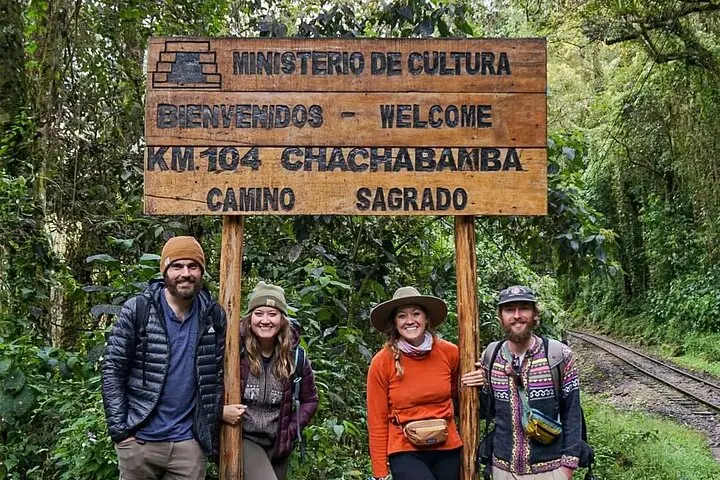
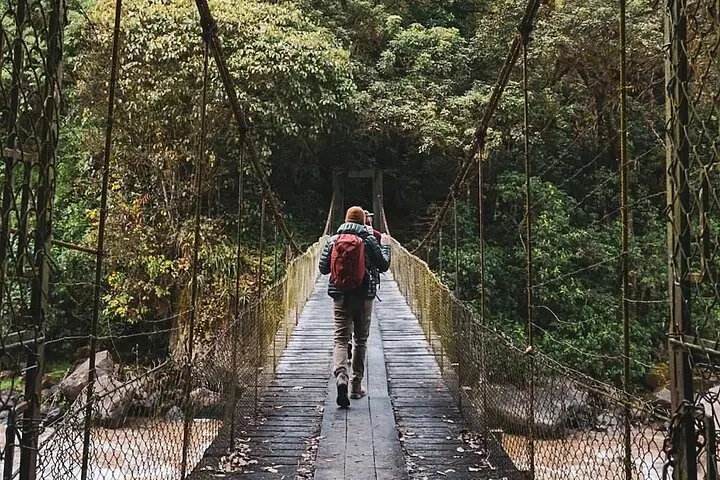
Pre-dawn air bites at 3:50 a.m. in Cusco as the van rolls toward Ollantaytambo and the train that follows along the Urubamba River. By the time you reach Km 104 the cloud forest is already awake: orchids clinging to wet stone, a chorus of birds, and the old Inca path stepping out of the trees like a carved stairway inviting you forward.
Pre-dawn air bites at 3:50 a.m. in Cusco as the van rolls toward Ollantaytambo and the train that follows along the Urubamba River. By the time you reach Km 104 the cloud forest is already awake: orchids clinging to wet stone, a chorus of birds, and the old Inca path stepping out of the trees like a carved stairway inviting you forward.
The walk follows sections of the original Inca Trail—stone staircases, narrow switchbacks and agricultural terraces—taking you past the finely worked ruins of Wiñay Wayna before climbing to the Sun Gate. From Inti Punku the first light spills over Machu Picchu’s terraces and temples; arriving at sunrise means the stone seems to breathe as mist peels away.
Geology here is dramatic: steep river-cut valleys, fractured granite, and a high, humid cloud forest that supports orchids and birds unique to the eastern Andes. Culturally this route was a ceremonial and logistical corridor for the Inca; today permits and quotas maintain that continuity by limiting daily traffic.
Practical notes: expect roughly 10–12 km of trail spread across the two days with multiple stair sections and altitudes ranging near 2,000–2,430 m (Machu Picchu itself sits at ~2,430 m). Moderate fitness and good ankle support are essential. Acclimatize in Cusco for 48 hours if you can, pack waterproof layers, and bring cash for Aguas Calientes. Book permits and train tickets well in advance—spaces sell out during the dry season (May–Sep). Move deliberately on stone steps, keep water and snacks accessible, and allow extra time at viewpoints—the route rewards slow attention.