
2-Day Southwest Road Trip: Zion, Bryce, Antelope Canyon & Horseshoe Bend from Las Vegas
A compact, two-day loop from Las Vegas that hits Zion, Bryce, Antelope Canyon and Horseshoe Bend. Expect long scenic drives, short guided walks inside Antelope, rim viewpoints at Bryce and an unforgettable overlook at Horseshoe Bend.
An Adventure In Las Vegas.
A compact, two-day loop from Las Vegas that hits Zion, Bryce, Antelope Canyon and Horseshoe Bend. Expect long scenic drives, short guided walks inside Antelope, rim viewpoints at Bryce and an unforgettable overlook at Horseshoe Bend.
Read the full experience
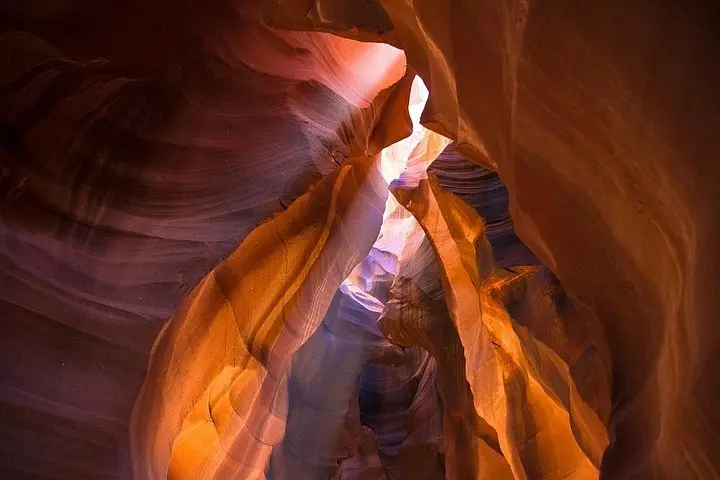
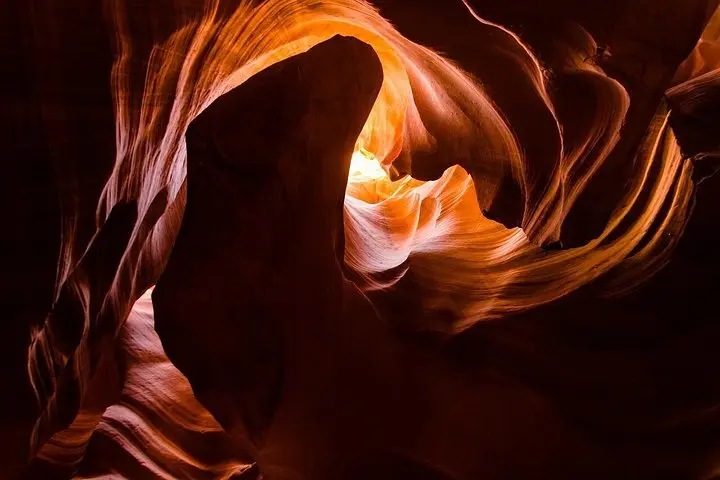
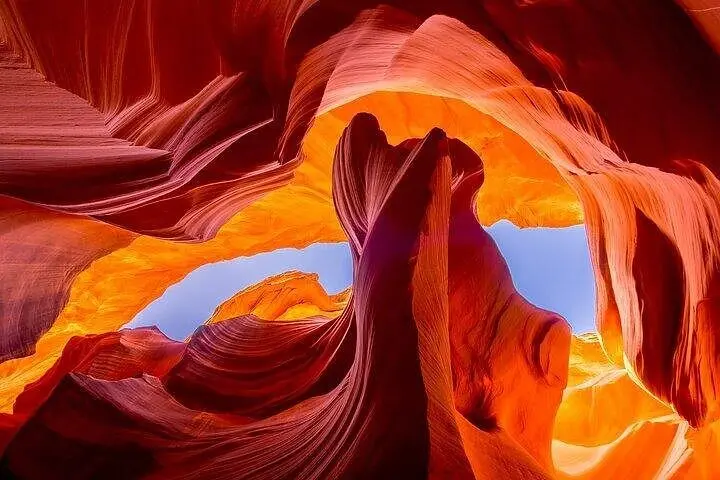
You leave Las Vegas before dawn, the Strip’s neon losing its hold as the van eats miles of highway and the desert opens like a folded map. By midmorning the cliffs in Zion are already warming—red cliffs catching light and throwing it back in long shadows—while Bryce Canyon waits a few hours farther up the road with its amphitheater of hoodoos brightening into deep oranges and pinks. On the second day, Antelope Canyon’s narrow seams of stone funnel beams of sun into a carved cathedral of sand, and the Colorado River performs its signature curl at Horseshoe Bend below.
You leave Las Vegas before dawn, the Strip’s neon losing its hold as the van eats miles of highway and the desert opens like a folded map. By midmorning the cliffs in Zion are already warming—red cliffs catching light and throwing it back in long shadows—while Bryce Canyon waits a few hours farther up the road with its amphitheater of hoodoos brightening into deep oranges and pinks. On the second day, Antelope Canyon’s narrow seams of stone funnel beams of sun into a carved cathedral of sand, and the Colorado River performs its signature curl at Horseshoe Bend below.
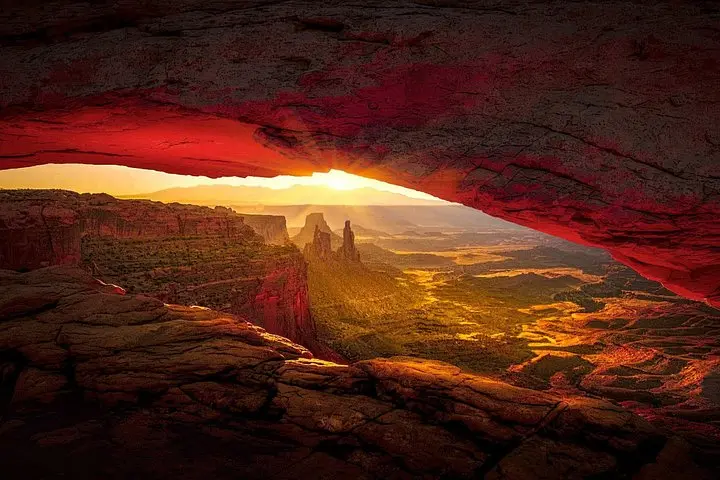
This is a classic Southwest sweep, where geology writes the itinerary. Zion’s Navajo Sandstone, laid down as windblown dunes, now rises in monuments of cross-bedded cliffs. Bryce’s hoodoos are the patient result of frost, erosion, and chemical weathering chiseling fins into spires. Antelope Canyon—on Navajo Nation land—was sculpted by episodic flash floods that polished those sinuous walls into the smooth, flowing shapes photographers prize. Lake Powell, by contrast, is recent: a reservoir born of the Glen Canyon Dam, its blue water tucked into sculpted red stone.
Culture and access go hand in hand here. Antelope Canyon requires a Navajo guide and permit—local stewardship keeps visits regulated and provides income to communities—while Zion and Bryce are managed National Parks with established trails and infrastructure. Guides on this tour are bilingual and point out cultural context, safety around flash-flood-prone slot canyons, and the best angles for light.
Practicalities matter: this is a two-day, 48-hour loop that packs long drives and short walks. Expect easy-to-moderate on-foot time—rim strolls, short overlooks, and guided slot-canyon walking—rather than sustained backcountry hiking. The vehicle is a premium, high-roof van with Starlink Wi‑Fi, bottled water, and light snacks provided; an overnight stay in Page gives you a moment to reset before the Antelope/Horseshoe sweep.
Timing is everything for light. Antelope’s beams peak late morning when the sun slices down the slots; Bryce’s color show is most dramatic at sunrise or sunset; Horseshoe Bend is at its most photogenic in late afternoon when the river’s turquoise contrasts best with warm rock. Bring a sturdy pair of closed-toe shoes for uneven footing, a sun hat, and layered clothing—the desert swings from hot days to cool nights.
Health notes: not recommended for pregnant travelers or people with serious back or heart problems; much of the trip is accessible but involves some stairs and uneven terrain in slot canyons. Book Navajo-guided Antelope slots in advance, carry cash or card for park fees, and practice Leave No Trace: water is precious here and the landscapes, while resilient, are also fragile. This two-day route condenses some of the Southwest’s most cinematic geology into a compact, guide-led itinerary—ideal for travelers who want big views, focused hiking, and practical logistics handled from Las Vegas.
Frequently asked questions
The tour is a 2-day (approximately 48-hour) round-trip from Las Vegas with morning pickup; exact pickup time is confirmed the day before travel.
Yes—Lower Antelope Canyon is included and visits are led by Navajo guides; permits and guided entry are arranged as part of the tour.
Breakfast is included; light snacks and bottled water are provided onboard. Plan for additional meals when not specified by the itinerary.
The tour is family-friendly but involves stairs and uneven terrain in slot canyons; it’s not recommended for travelers with serious back problems or those who cannot manage short hikes.
Bring a wide-angle lens for slot canyons, spare batteries and memory cards, and a small tripod if allowed by the guide—midday is best for Antelope light beams.
Full refund if canceled at least 6 full days before departure; 50% refund if canceled 2–6 days before; no refund if canceled within 2 days. Trips may be canceled for bad weather or insufficient travelers.
About This Experience
VIPTOUR operates guided outdoor trips and adventures with an emphasis on safety, stewardship, and memorable experiences.
Adventure tips
Recommended gear
- Sturdy trail shoes: Protects against uneven, sandy, and rocky footing in slot canyons and at overlooks.
- Sun protection (hat + sunscreen): Desert sun is intense even on cooler days—protect skin and eyes during midday stops.
- Small daypack: Carries water, layers, camera gear, and personal items for short walks between viewpoints.
- Camera with wide-angle lens: Wide lenses capture Antelope’s tight curves and Bryce’s amphitheater; a polarizer helps with glare on Lake Powell.
Photos of the experience
Related adventures & guides
Read the full experience
You leave Las Vegas before dawn, the Strip’s neon losing its hold as the van eats miles of highway and the desert opens like a folded map. By midmorning the cliffs in Zion are already warming—red cliffs catching light and throwing it back in long shadows—while Bryce Canyon waits a few hours farther up the road with its amphitheater of hoodoos brightening into deep oranges and pinks. On the second day, Antelope Canyon’s narrow seams of stone funnel beams of sun into a carved cathedral of sand, and the Colorado River performs its signature curl at Horseshoe Bend below.
You leave Las Vegas before dawn, the Strip’s neon losing its hold as the van eats miles of highway and the desert opens like a folded map. By midmorning the cliffs in Zion are already warming—red cliffs catching light and throwing it back in long shadows—while Bryce Canyon waits a few hours farther up the road with its amphitheater of hoodoos brightening into deep oranges and pinks. On the second day, Antelope Canyon’s narrow seams of stone funnel beams of sun into a carved cathedral of sand, and the Colorado River performs its signature curl at Horseshoe Bend below.
This is a classic Southwest sweep, where geology writes the itinerary. Zion’s Navajo Sandstone, laid down as windblown dunes, now rises in monuments of cross-bedded cliffs. Bryce’s hoodoos are the patient result of frost, erosion, and chemical weathering chiseling fins into spires. Antelope Canyon—on Navajo Nation land—was sculpted by episodic flash floods that polished those sinuous walls into the smooth, flowing shapes photographers prize. Lake Powell, by contrast, is recent: a reservoir born of the Glen Canyon Dam, its blue water tucked into sculpted red stone.
Culture and access go hand in hand here. Antelope Canyon requires a Navajo guide and permit—local stewardship keeps visits regulated and provides income to communities—while Zion and Bryce are managed National Parks with established trails and infrastructure. Guides on this tour are bilingual and point out cultural context, safety around flash-flood-prone slot canyons, and the best angles for light.
Practicalities matter: this is a two-day, 48-hour loop that packs long drives and short walks. Expect easy-to-moderate on-foot time—rim strolls, short overlooks, and guided slot-canyon walking—rather than sustained backcountry hiking. The vehicle is a premium, high-roof van with Starlink Wi‑Fi, bottled water, and light snacks provided; an overnight stay in Page gives you a moment to reset before the Antelope/Horseshoe sweep.
Timing is everything for light. Antelope’s beams peak late morning when the sun slices down the slots; Bryce’s color show is most dramatic at sunrise or sunset; Horseshoe Bend is at its most photogenic in late afternoon when the river’s turquoise contrasts best with warm rock. Bring a sturdy pair of closed-toe shoes for uneven footing, a sun hat, and layered clothing—the desert swings from hot days to cool nights.
Health notes: not recommended for pregnant travelers or people with serious back or heart problems; much of the trip is accessible but involves some stairs and uneven terrain in slot canyons. Book Navajo-guided Antelope slots in advance, carry cash or card for park fees, and practice Leave No Trace: water is precious here and the landscapes, while resilient, are also fragile. This two-day route condenses some of the Southwest’s most cinematic geology into a compact, guide-led itinerary—ideal for travelers who want big views, focused hiking, and practical logistics handled from Las Vegas.
Make a day of it nearby.
Verified experiences and guided adventures in the surrounding area.