THE ADVENTURE COLLECTIVE® · Independent discovery and booking for outdoor travel

Two days compress India’s highlights: sunrise at the Taj Mahal, a walking tour of Agra Fort, then an overnight approach to Ranthambore for an early-morning tiger safari. Expect long drives, early starts, and high wildlife-spotting potential — but not guarantees.
Two days compress India’s highlights: sunrise at the Taj Mahal, a walking tour of Agra Fort, then an overnight approach to Ranthambore for an early-morning tiger safari. Expect long drives, early starts, and high wildlife-spotting potential — but not guarantees.
You step off an early-morning flight into Delhi and the world tightens into a focused two-day arc: white marble at dawn, red-sandstone ramparts at midday, and the low, green roar of the Ranthambore forest by evening.
Verified experiences and guided adventures in the surrounding area.
Operated by Padma Holidays · Sawai Madhopur, Rajasthan
You step off an early-morning flight into Delhi and the world tightens into a focused two-day arc: white marble at dawn, red-sandstone ramparts at midday, and the low, green roar of the Ranthambore forest by evening.
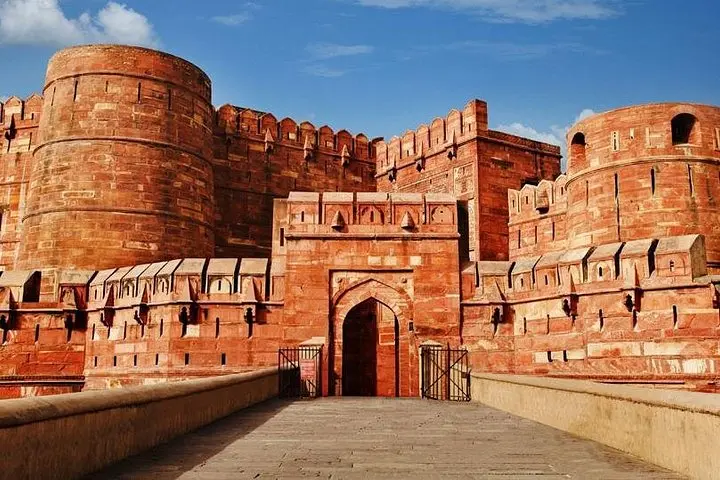
Day One moves fast — a 3-hour drive along the Yamuna Expressway delivers you to the Taj Mahal, where Mughal geometry and inlaid pietra dura meet the river’s mirror; nearby Agra Fort traces Mughal power in layered courts and battlements. The route then cuts southwest across Rajasthan’s flat agricultural plains to Ranthambore, where craggy outcrops and the 10th-century Ranthambore Fort watch over teak and scrub.
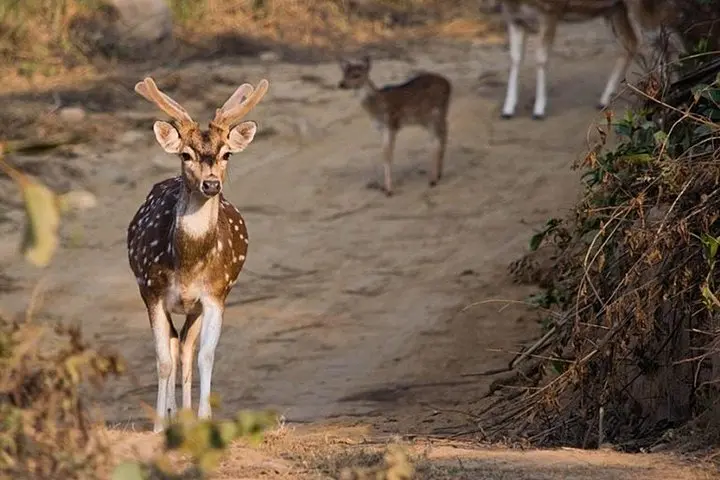
Ranthambore’s landscape is volcanic-sedimentary with rocky ridgelines that funnel wildlife into open meadows; historically it was a royal hunting ground and later a core of Project Tiger. Local culture blends Rajput and rural Rajasthani life — small markets, roadside chai, and village temples dot the approach roads.
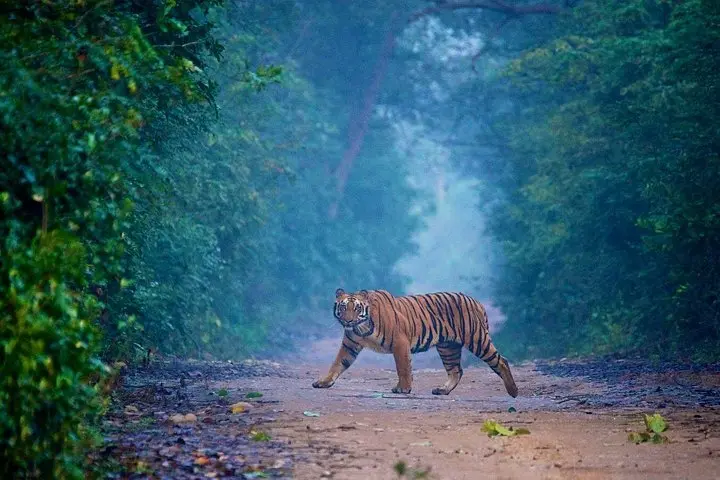
Practical guidance: expect long drives and early starts — safaris depart at dawn when predators are most active. Tiger sightings are possible but never guaranteed; guides and forest authorities allocate zones to improve your odds. Bring binoculars, a camera with a zoom lens, and layered clothing for cool mornings and hot afternoons. Follow park rules: remain inside the vehicle, keep noise low, and arrive at the boarding point 20 minutes early. Hydrate and wear sturdy walking shoes for short walks around hotel areas; sun protection is essential. Photography is rewarding but patience and quiet will often produce the best encounters. This two-day loop pairs cultural immersion with a concentrated shot at India’s largest cat — efficient, intense, and undeniable for wildlife-minded travelers.
No — sightings depend on animal movement and conditions; guides try to maximize chances by booking favorable zones but cannot guarantee sightings.
Safaris run in shared jeeps or canters depending on availability; your booking notes the vehicle type and boarding point instructions.
This tour is not recommended for pregnant travelers or people with serious spinal or cardiovascular conditions due to long drives and bumpy safari terrain.
The tour includes one night at a listed hotel (with tour option), breakfasts, bottled water, entrance fees (with tour option), GST and taxes, and a forest-appointed English-speaking guide for safaris.
Padma Holidays operates guided outdoor trips and adventures with an emphasis on safety, stewardship, and memorable experiences.

You step off an early-morning flight into Delhi and the world tightens into a focused two-day arc: white marble at dawn, red-sandstone ramparts at midday, and the low, green roar of the Ranthambore forest by evening.
You step off an early-morning flight into Delhi and the world tightens into a focused two-day arc: white marble at dawn, red-sandstone ramparts at midday, and the low, green roar of the Ranthambore forest by evening.
Day One moves fast — a 3-hour drive along the Yamuna Expressway delivers you to the Taj Mahal, where Mughal geometry and inlaid pietra dura meet the river’s mirror; nearby Agra Fort traces Mughal power in layered courts and battlements. The route then cuts southwest across Rajasthan’s flat agricultural plains to Ranthambore, where craggy outcrops and the 10th-century Ranthambore Fort watch over teak and scrub.
Ranthambore’s landscape is volcanic-sedimentary with rocky ridgelines that funnel wildlife into open meadows; historically it was a royal hunting ground and later a core of Project Tiger. Local culture blends Rajput and rural Rajasthani life — small markets, roadside chai, and village temples dot the approach roads.
Practical guidance: expect long drives and early starts — safaris depart at dawn when predators are most active. Tiger sightings are possible but never guaranteed; guides and forest authorities allocate zones to improve your odds. Bring binoculars, a camera with a zoom lens, and layered clothing for cool mornings and hot afternoons. Follow park rules: remain inside the vehicle, keep noise low, and arrive at the boarding point 20 minutes early. Hydrate and wear sturdy walking shoes for short walks around hotel areas; sun protection is essential. Photography is rewarding but patience and quiet will often produce the best encounters. This two-day loop pairs cultural immersion with a concentrated shot at India’s largest cat — efficient, intense, and undeniable for wildlife-minded travelers.