THE ADVENTURE COLLECTIVE® · Independent discovery and booking for outdoor travel

See East Africa’s wildlife highlights in 48 hours: Tarangire’s elephants and ancient baobabs, then the packed biodiversity of Ngorongoro Crater. Fast-paced, lodge-based, and guided by experienced trackers.
See East Africa’s wildlife highlights in 48 hours: Tarangire’s elephants and ancient baobabs, then the packed biodiversity of Ngorongoro Crater. Fast-paced, lodge-based, and guided by experienced trackers.
Dawn splits the savanna as your Land Cruiser hums toward the Tarangire River, acacia silhouettes sharpening against a cooling sky. On this compact two-day safari you move quickly but deliberately: one day among elephant-rich plains and baobab-dotted ridgelines, the next descending the green bowl of Ngorongoro Crater where grazers and predators congregate in close quarters.
Verified experiences and guided adventures in the surrounding area.
Operated by Altezza Travel · Arusha, Arusha Region
Dawn splits the savanna as your Land Cruiser hums toward the Tarangire River, acacia silhouettes sharpening against a cooling sky. On this compact two-day safari you move quickly but deliberately: one day among elephant-rich plains and baobab-dotted ridgelines, the next descending the green bowl of Ngorongoro Crater where grazers and predators congregate in close quarters.
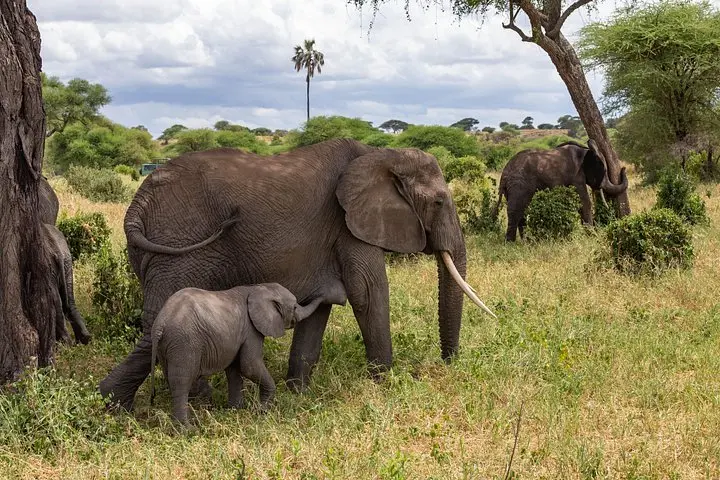
Tarangire’s geologic story is written in sedimentary basins and the life-giving river that threads the park; elephants track its water through the dry months, pushing herds into open viewing. Ngorongoro is the remnant of a vast volcano—its steep rim and crater floor create a microcosm of East African ecosystems and support dense wildlife populations, a reason the area is a UNESCO World Heritage Site.
Local Maasai culture remains visible along the crater rim—herders and their cattle are part of the working landscape, and understanding this human-nature dynamic enriches game-viewing.
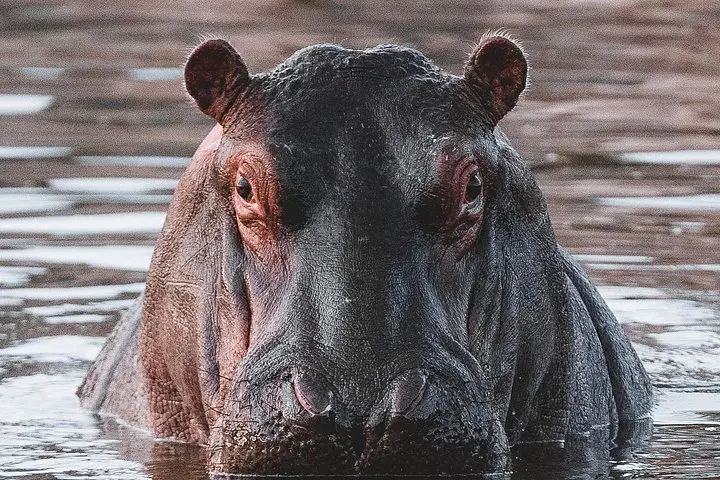
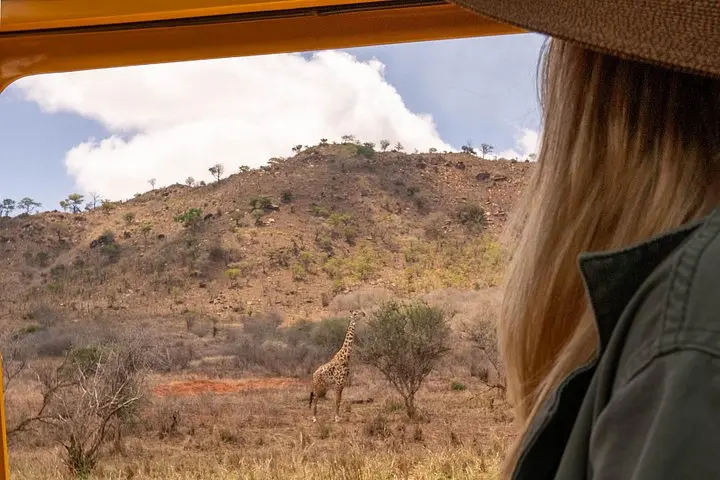
Practical guidance: travel light but prepared. Game drives start early and can run mid-day; mornings are cool, afternoons hot. Vehicles have pop-up roofs for photography and binoculars may be provided, but bring your own if you rely on them. Expect long stretches on dirt roads and short walks at picnic stops—comfortable walking shoes and sun protection are essential. Stay hydrated and follow your guide’s distance rules around animals, especially elephants and hippos in the crater. With two full days you maximize species variety—from herds of elephants in Tarangire to concentrated predator-prey interactions in Ngorongoro—making every hour count.
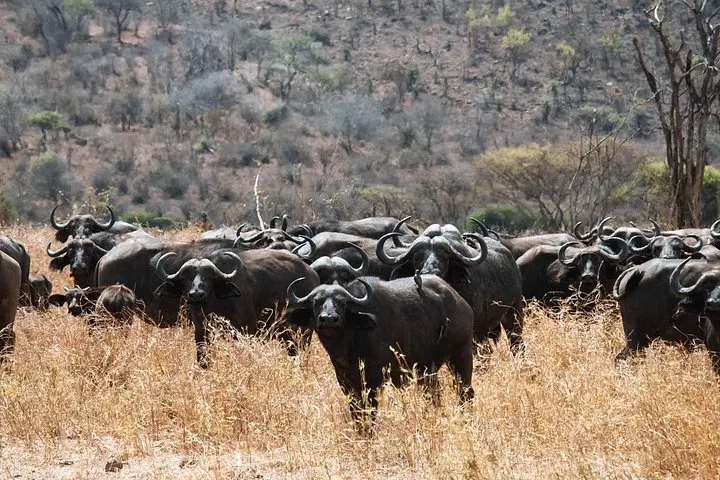
Tarangire and Ngorongoro offer high chances for elephants, buffalo and a variety of predators; black rhino are present in Ngorongoro but sightings aren’t guaranteed—your guide will focus on known hotspots.
Yes—national park entry and concession fees for both Tarangire and Ngorongoro are included in the tour price.
Most operators limit luggage to one medium bag per person due to vehicle space—confirm exact limits during booking and pack accordingly.
The trip is family-friendly but not recommended for travelers requiring special mobility aids; vehicle access and lodges in remote areas may lack infrastructure for full accessibility.
Altezza Travel operates guided outdoor trips and adventures with an emphasis on safety, stewardship, and memorable experiences.
Dawn splits the savanna as your Land Cruiser hums toward the Tarangire River, acacia silhouettes sharpening against a cooling sky. On this compact two-day safari you move quickly but deliberately: one day among elephant-rich plains and baobab-dotted ridgelines, the next descending the green bowl of Ngorongoro Crater where grazers and predators congregate in close quarters.
Dawn splits the savanna as your Land Cruiser hums toward the Tarangire River, acacia silhouettes sharpening against a cooling sky. On this compact two-day safari you move quickly but deliberately: one day among elephant-rich plains and baobab-dotted ridgelines, the next descending the green bowl of Ngorongoro Crater where grazers and predators congregate in close quarters.
Tarangire’s geologic story is written in sedimentary basins and the life-giving river that threads the park; elephants track its water through the dry months, pushing herds into open viewing. Ngorongoro is the remnant of a vast volcano—its steep rim and crater floor create a microcosm of East African ecosystems and support dense wildlife populations, a reason the area is a UNESCO World Heritage Site.
Local Maasai culture remains visible along the crater rim—herders and their cattle are part of the working landscape, and understanding this human-nature dynamic enriches game-viewing.
Practical guidance: travel light but prepared. Game drives start early and can run mid-day; mornings are cool, afternoons hot. Vehicles have pop-up roofs for photography and binoculars may be provided, but bring your own if you rely on them. Expect long stretches on dirt roads and short walks at picnic stops—comfortable walking shoes and sun protection are essential. Stay hydrated and follow your guide’s distance rules around animals, especially elephants and hippos in the crater. With two full days you maximize species variety—from herds of elephants in Tarangire to concentrated predator-prey interactions in Ngorongoro—making every hour count.