THE ADVENTURE COLLECTIVE® · Independent discovery and booking for outdoor travel

Two days of classic northern Tanzania safari: a full-day game drive through Tarangire’s elephant country, then a descent into the vast Ngorongoro Crater for concentrated wildlife viewing and crater lakes. Early starts, rugged tracks, and reliable big-game sightings define the trip.
Two days of classic northern Tanzania safari: a full-day game drive through Tarangire’s elephant country, then a descent into the vast Ngorongoro Crater for concentrated wildlife viewing and crater lakes. Early starts, rugged tracks, and reliable big-game sightings define the trip.
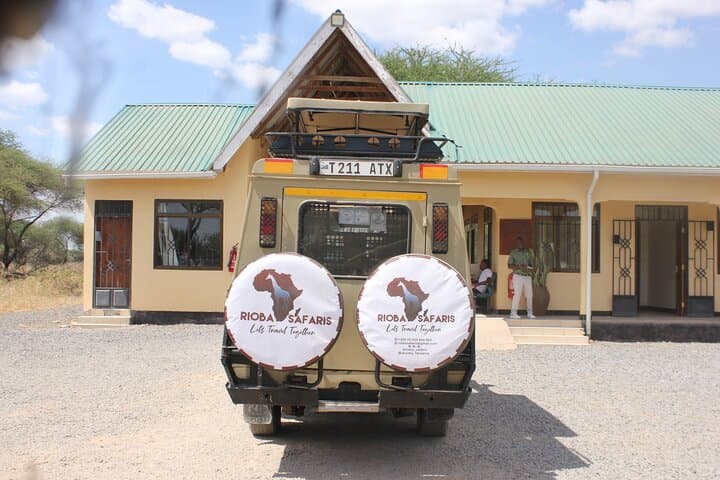
Dawn spills orange across the Tarangire floodplain and a line of elephants moves like a slow current between baobabs, trunks dusted and deliberate. The first day of this two-day circuit is built around that unhurried rhythm: wake early, climb into a purpose-built safari vehicle, and scan a wide, dry landscape where birds punctuate the horizon and tall grass parts around grazing herds.
Verified experiences and guided adventures in the surrounding area.
Operated by RIOBA SAFARIS · Karatu, Arusha Region
Dawn spills orange across the Tarangire floodplain and a line of elephants moves like a slow current between baobabs, trunks dusted and deliberate. The first day of this two-day circuit is built around that unhurried rhythm: wake early, climb into a purpose-built safari vehicle, and scan a wide, dry landscape where birds punctuate the horizon and tall grass parts around grazing herds.
Tarangire is quieter than other northern parks, known for seasonal elephant concentrations and excellent birding beneath a skyline of ancient baobabs. The next day drops you into the Ngorongoro Crater — a 20-kilometer-wide, roughly 600-meter-deep volcanic caldera with a mosaic of grassland, forest, and the alkaline Lake Magadi. The crater’s geology creates a natural amphitheater for predictable predator-prey encounters, and Maasai pastoral culture remains visible in villages on the rim.
Practical plan: pickups from Arusha or your lodge, full-day game drive in Tarangire, overnight in Karatu, then an early descent into Ngorongoro for a morning crater circuit. Expect bumpy dirt tracks, long sightlines, and close-to-medium-range wildlife viewing from the vehicle; walks are short and optional. Timing matters — mornings and late afternoons concentrate activity and softer light for photography. Bring binoculars, layered clothing for cool mornings on the rim, sun protection, and local currency for tips or extras. Confirm which park fees and accommodations are included with your operator before departure. Travel with respect for Maasai land-use rules and follow guide instructions: wildlife can shift quickly, and the landscape demands patience as much as curiosity.
Tarangire is typically a 2–3 hour drive from Arusha depending on traffic and road conditions; plan for 120–160 km travel time.
Confirm with your operator — Ngorongoro admission is often a separate statutory fee; this tour notes some admissions are included but verify at booking.
Yes — the itinerary is marked suitable for all fitness levels; infants may be required to sit on an adult’s lap during transfers, and child-friendly accommodations vary.
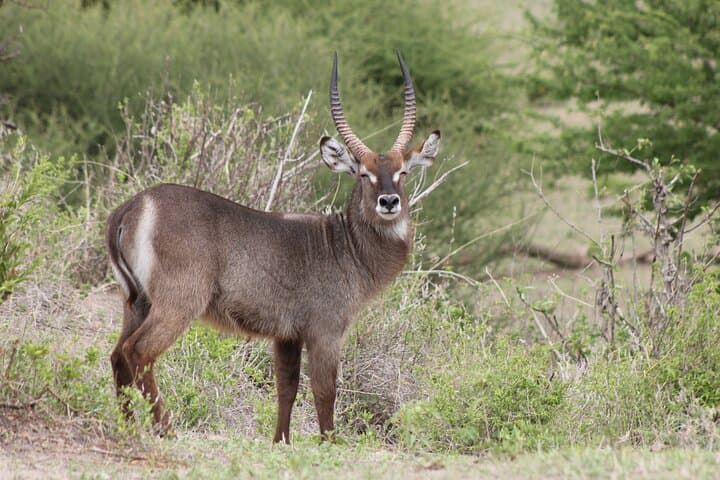
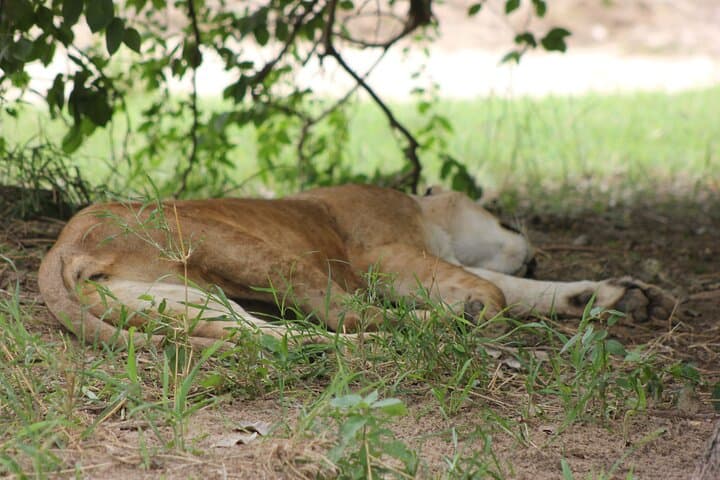
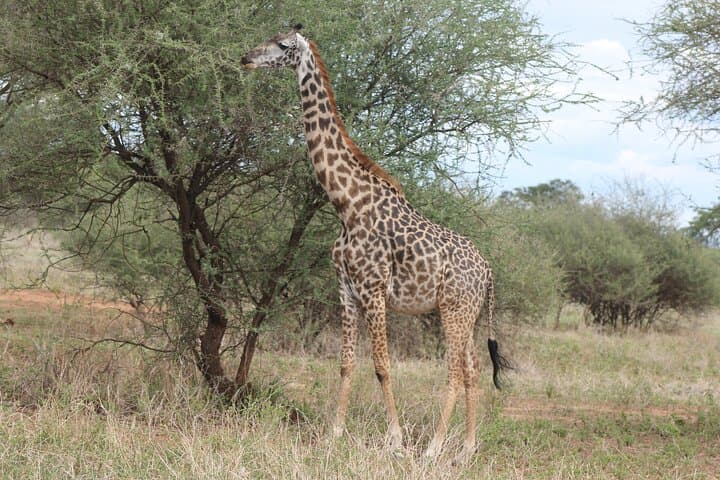
Expect elephants and diverse birdlife in Tarangire, and in Ngorongoro look for lions, buffalo, hippos at Lake Magadi, and a chance at seeing rhino though sightings are rare.
RIOBA SAFARIS operates guided outdoor trips and adventures with an emphasis on safety, stewardship, and memorable experiences.
Dawn spills orange across the Tarangire floodplain and a line of elephants moves like a slow current between baobabs, trunks dusted and deliberate. The first day of this two-day circuit is built around that unhurried rhythm: wake early, climb into a purpose-built safari vehicle, and scan a wide, dry landscape where birds punctuate the horizon and tall grass parts around grazing herds.
Dawn spills orange across the Tarangire floodplain and a line of elephants moves like a slow current between baobabs, trunks dusted and deliberate. The first day of this two-day circuit is built around that unhurried rhythm: wake early, climb into a purpose-built safari vehicle, and scan a wide, dry landscape where birds punctuate the horizon and tall grass parts around grazing herds.
Tarangire is quieter than other northern parks, known for seasonal elephant concentrations and excellent birding beneath a skyline of ancient baobabs. The next day drops you into the Ngorongoro Crater — a 20-kilometer-wide, roughly 600-meter-deep volcanic caldera with a mosaic of grassland, forest, and the alkaline Lake Magadi. The crater’s geology creates a natural amphitheater for predictable predator-prey encounters, and Maasai pastoral culture remains visible in villages on the rim.
Practical plan: pickups from Arusha or your lodge, full-day game drive in Tarangire, overnight in Karatu, then an early descent into Ngorongoro for a morning crater circuit. Expect bumpy dirt tracks, long sightlines, and close-to-medium-range wildlife viewing from the vehicle; walks are short and optional. Timing matters — mornings and late afternoons concentrate activity and softer light for photography. Bring binoculars, layered clothing for cool mornings on the rim, sun protection, and local currency for tips or extras. Confirm which park fees and accommodations are included with your operator before departure. Travel with respect for Maasai land-use rules and follow guide instructions: wildlife can shift quickly, and the landscape demands patience as much as curiosity.