THE ADVENTURE COLLECTIVE® · Independent discovery and booking for outdoor travel

A compact, fly-in safari that compresses Tarangire’s baobabs and Ngorongoro’s crater-floor game into 48 hours. Expect full-day drives, close elephant encounters and a chance to visit Maasai highlands—all with mid-range lodge stays and luxury upgrade options.
A compact, fly-in safari that compresses Tarangire’s baobabs and Ngorongoro’s crater-floor game into 48 hours. Expect full-day drives, close elephant encounters and a chance to visit Maasai highlands—all with mid-range lodge stays and luxury upgrade options.
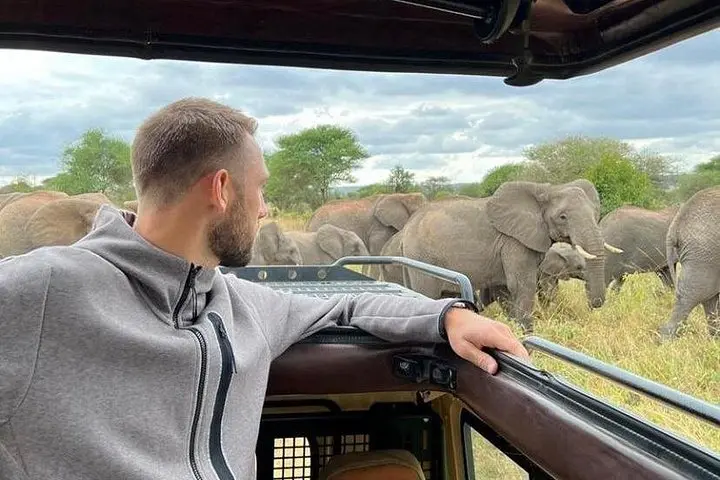
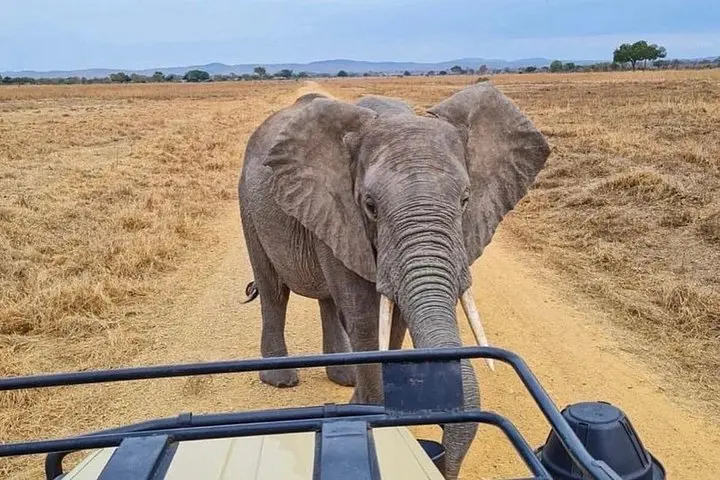
You wake in Zanzibar before sunrise, trade coral reefs for acacia silhouettes, and are airborne toward the highlands. By midmorning the plane drops you into Arusha; the land below opens into baobab-studded plains and the deep bowl of Ngorongoro looming on the horizon. Tarangire’s elephants move like slow punctuation through the scrub while flamingos pick at seasonal pans.
Verified experiences and guided adventures in the surrounding area.
Operated by Luitours and Safaris · Arusha, Arusha Region
You wake in Zanzibar before sunrise, trade coral reefs for acacia silhouettes, and are airborne toward the highlands. By midmorning the plane drops you into Arusha; the land below opens into baobab-studded plains and the deep bowl of Ngorongoro looming on the horizon. Tarangire’s elephants move like slow punctuation through the scrub while flamingos pick at seasonal pans.
Geology and history shape every scene: Ngorongoro is the collapsed rim of an ancient supervolcano, its crater floor a rare, self-contained ecosystem formed over millennia and designated a UNESCO World Heritage Site in 1979. Tarangire’s seasonally flooded swamps create a predictable rhythm for grazing herds and migrating predators. Culture is visible at the margins — Maasai families still manage cattle on crater highlands, and small villages trade crafts along routeways linking parks.
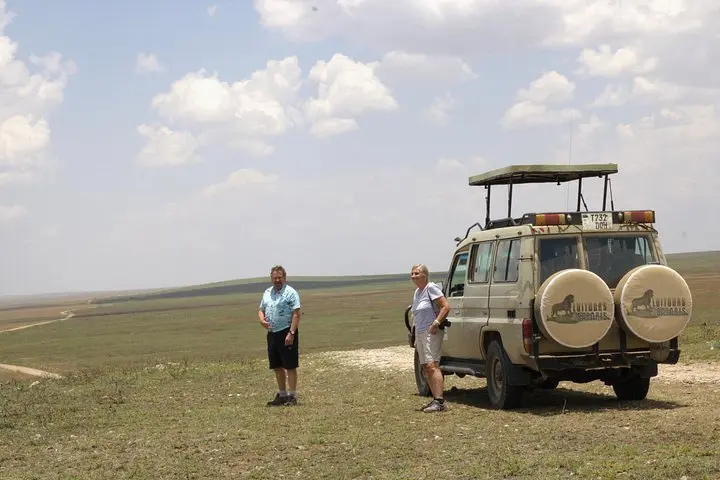
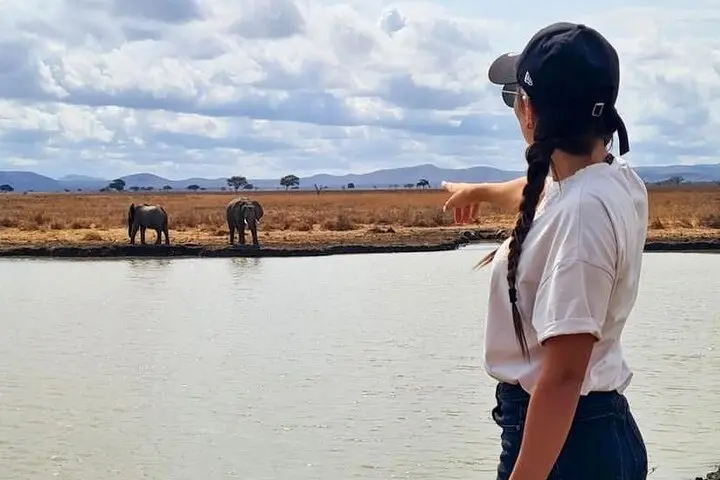
On this two-day fly-in safari expect full-day game drives, mid-range lodge comfort with optional upgrades, and concentrated wildlife viewing. Days are long and driven by light: early pickups, late returns, and game that clusters around permanent water. Vehicles keep you close but separate; guides translate animal behavior and point camera-ready moments.
Practical notes: pack layers for cold mornings and dusty afternoons, bring binoculars and a 200mm+ lens for crater plains, and carry local currency for optional village visits and tips. Flights between Zanzibar and Arusha are short but have strict luggage rules — confirm limits in advance. The trip compresses Tanzania’s big-ticket wildlife into a tight window: efficient, sensory, and best enjoyed with clear expectations about pace and comfort.
Direct domestic flights take about 1 hour; schedules vary by operator, and most safari itineraries include transfers timed to these flights.
This itinerary notes all fees and taxes are included, but confirm whether specific conservation levies or optional activities (Maasai village visit) are extra.
Expect large elephant herds in Tarangire and a dense mix of grazers and predators in Ngorongoro, including buffalo, zebra, wildebeest, lions and, with luck, black rhino.
Vehicles and lodges are generally accessible and the operator lists the tour as suitable for most fitness levels, but check specific accessibility needs before booking.
Luitours and Safaris operates guided outdoor trips and adventures with an emphasis on safety, stewardship, and memorable experiences.
You wake in Zanzibar before sunrise, trade coral reefs for acacia silhouettes, and are airborne toward the highlands. By midmorning the plane drops you into Arusha; the land below opens into baobab-studded plains and the deep bowl of Ngorongoro looming on the horizon. Tarangire’s elephants move like slow punctuation through the scrub while flamingos pick at seasonal pans.
You wake in Zanzibar before sunrise, trade coral reefs for acacia silhouettes, and are airborne toward the highlands. By midmorning the plane drops you into Arusha; the land below opens into baobab-studded plains and the deep bowl of Ngorongoro looming on the horizon. Tarangire’s elephants move like slow punctuation through the scrub while flamingos pick at seasonal pans.
Geology and history shape every scene: Ngorongoro is the collapsed rim of an ancient supervolcano, its crater floor a rare, self-contained ecosystem formed over millennia and designated a UNESCO World Heritage Site in 1979. Tarangire’s seasonally flooded swamps create a predictable rhythm for grazing herds and migrating predators. Culture is visible at the margins — Maasai families still manage cattle on crater highlands, and small villages trade crafts along routeways linking parks.
On this two-day fly-in safari expect full-day game drives, mid-range lodge comfort with optional upgrades, and concentrated wildlife viewing. Days are long and driven by light: early pickups, late returns, and game that clusters around permanent water. Vehicles keep you close but separate; guides translate animal behavior and point camera-ready moments.
Practical notes: pack layers for cold mornings and dusty afternoons, bring binoculars and a 200mm+ lens for crater plains, and carry local currency for optional village visits and tips. Flights between Zanzibar and Arusha are short but have strict luggage rules — confirm limits in advance. The trip compresses Tanzania’s big-ticket wildlife into a tight window: efficient, sensory, and best enjoyed with clear expectations about pace and comfort.