THE ADVENTURE COLLECTIVE® · Independent discovery and booking for outdoor travel

Two intense days of game drives take you from Tarangire’s river flats to the Ngorongoro Crater’s wildlife-packed basin. Comfortable midrange lodging and expert guides make this a compact, wildlife-rich safari option from Arusha.
Two intense days of game drives take you from Tarangire’s river flats to the Ngorongoro Crater’s wildlife-packed basin. Comfortable midrange lodging and expert guides make this a compact, wildlife-rich safari option from Arusha.
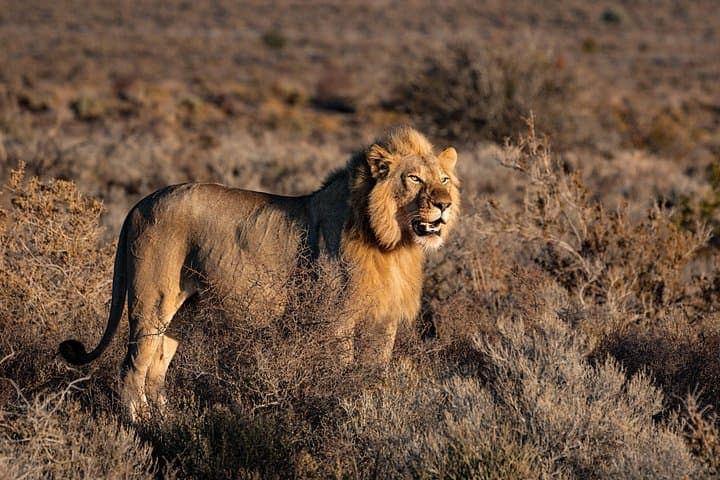
The sun is low over the dusty plains as your safari vehicle winds toward a line of stately baobabs; elephants graze in the riverbed and a lone lion lifts its head to survey the ridge. This short, focused safari begins and ends in Arusha, moving through Tarangire’s elephant-rich riverine flats and down into the green bowl of the Ngorongoro Crater.
Verified experiences and guided adventures in the surrounding area.
Operated by Tanzania Serengeti Safaris · Arusha, Arusha Region
The sun is low over the dusty plains as your safari vehicle winds toward a line of stately baobabs; elephants graze in the riverbed and a lone lion lifts its head to survey the ridge. This short, focused safari begins and ends in Arusha, moving through Tarangire’s elephant-rich riverine flats and down into the green bowl of the Ngorongoro Crater.
Tarangire’s landscape is shaped by seasonal rivers and ancient volcanic rock, its shallow river encouraging concentrations of wildlife during the dry months. Ngorongoro is a collapsed volcanic caldera — a geological amphitheater that now hosts dense populations of grazers and predators within a single, visitable basin. Culturally, the Maasai people have grazed livestock along these edges for generations; their presence and pastoral landscapes remain visible from park roads.
Expect full-day game drives, picnic lunches at designated sites, and a comfortable midrange overnight lodge near Manyara. Guides interpret animal behavior and local ecology, pointing out lesser-known bird species and the subtle cues that signal predator activity. Physically this trip is easy — game drives require getting in and out of 4x4 vehicles and short walks at viewing stops.
Practical notes: bring neutral clothing, sun protection, and a good pair of binoculars; park fees and most meals are typically included. Roads can get rough in the rains and photographic light is best early and late. Follow your guide’s directions about distances from wildlife and stay patient — some of the most memorable encounters come at the end of a long, quiet scan across the plains.
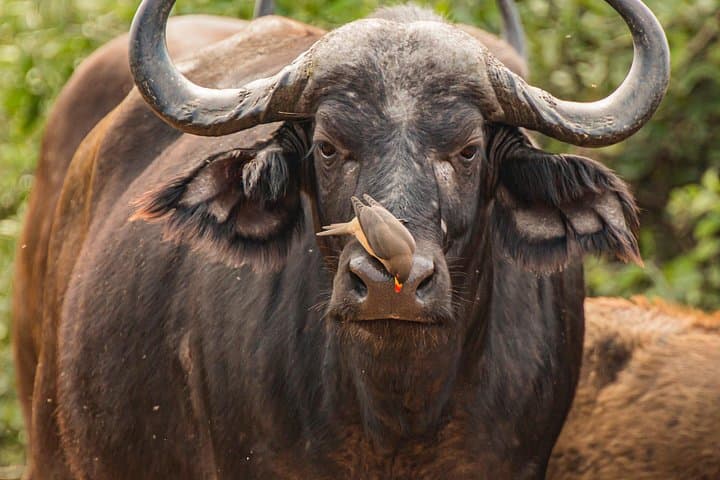
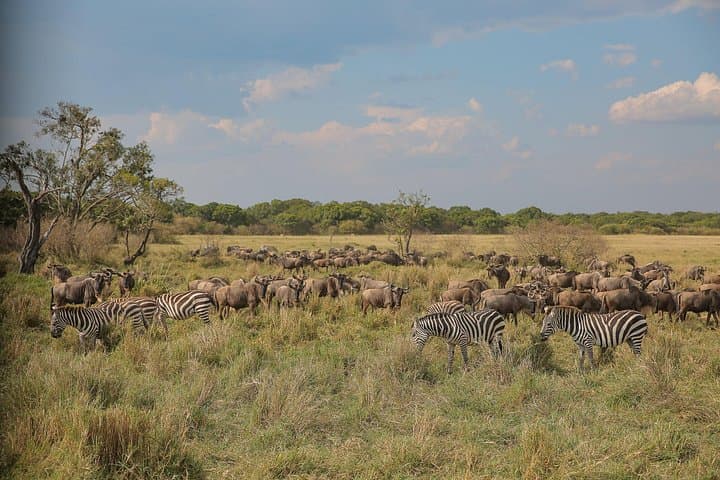
Common sightings include elephants, lions, zebras, giraffes, buffalo and many bird species; Ngorongoro also offers a chance for rhino sightings, though they are less predictable.
This midrange tour typically includes park fees and guided game drives—confirm at booking as some operators may itemize fees separately.
The tour is family-friendly and labeled accessible, but participants should be able to get into and out of a safari vehicle; notify the operator of mobility needs in advance.
Dry season (June–October) has the best road access and wildlife visibility; rains (March–May and short rains Oct–Dec) can make some roads muddy and slow travel.
Tanzania Serengeti Safaris operates guided outdoor trips and adventures with an emphasis on safety, stewardship, and memorable experiences.

The sun is low over the dusty plains as your safari vehicle winds toward a line of stately baobabs; elephants graze in the riverbed and a lone lion lifts its head to survey the ridge. This short, focused safari begins and ends in Arusha, moving through Tarangire’s elephant-rich riverine flats and down into the green bowl of the Ngorongoro Crater.
The sun is low over the dusty plains as your safari vehicle winds toward a line of stately baobabs; elephants graze in the riverbed and a lone lion lifts its head to survey the ridge. This short, focused safari begins and ends in Arusha, moving through Tarangire’s elephant-rich riverine flats and down into the green bowl of the Ngorongoro Crater.
Tarangire’s landscape is shaped by seasonal rivers and ancient volcanic rock, its shallow river encouraging concentrations of wildlife during the dry months. Ngorongoro is a collapsed volcanic caldera — a geological amphitheater that now hosts dense populations of grazers and predators within a single, visitable basin. Culturally, the Maasai people have grazed livestock along these edges for generations; their presence and pastoral landscapes remain visible from park roads.
Expect full-day game drives, picnic lunches at designated sites, and a comfortable midrange overnight lodge near Manyara. Guides interpret animal behavior and local ecology, pointing out lesser-known bird species and the subtle cues that signal predator activity. Physically this trip is easy — game drives require getting in and out of 4x4 vehicles and short walks at viewing stops.
Practical notes: bring neutral clothing, sun protection, and a good pair of binoculars; park fees and most meals are typically included. Roads can get rough in the rains and photographic light is best early and late. Follow your guide’s directions about distances from wildlife and stay patient — some of the most memorable encounters come at the end of a long, quiet scan across the plains.