THE ADVENTURE COLLECTIVE® · Independent discovery and booking for outdoor travel

A compact two-day circuit from Djerba into southern Tunisia that pairs hilltop Berber villages, thermal oases and troglodyte homes. Ideal for travelers who want cultural depth, a night in desert camp and a quick dip in a hot spring.
A compact two-day circuit from Djerba into southern Tunisia that pairs hilltop Berber villages, thermal oases and troglodyte homes. Ideal for travelers who want cultural depth, a night in desert camp and a quick dip in a hot spring.
Dawn finds the Roman road glinting as the van rolls east from Djerba, and the desert opens like a living map—wind-sculpted ridges, flat stony plains and sudden pockets of green. By midmorning you step into Tataouine’s market: spices, goatskin, and vendors who read the light like weather. The day threads through Chenini’s stone terraces and the narrow lanes of a hilltop Berber village, then eases toward a night under the stars at Zmela camp.
Verified experiences and guided adventures in the surrounding area.
Operated by Vacances Promo Tunisie · Tataouine, Tataouine Governorate
Dawn finds the Roman road glinting as the van rolls east from Djerba, and the desert opens like a living map—wind-sculpted ridges, flat stony plains and sudden pockets of green. By midmorning you step into Tataouine’s market: spices, goatskin, and vendors who read the light like weather. The day threads through Chenini’s stone terraces and the narrow lanes of a hilltop Berber village, then eases toward a night under the stars at Zmela camp.
This region is a crossroads of human adaptation. Ksour (fortified granaries) and troglodyte homes at Matmata are built into soft sedimentary rock—easy to carve, slow to erode—evidence of millennia of people shaping shelter from the geology. Ksar Ghuilaine’s oasis centers on a thermal source; the hot spring steams in winter and invites a cautious soak in summer.
Culture here moves at desert pace: markets run on barter and conversation, villages preserve Amazigh (Berber) family structures, and a few film sets—Sidi Driss among them—recall the area’s cinematic afterlife.
Practical guide: bring sun protection and layers—day heat can flip to a chill by night. Expect short hikes on uneven rock, steps carved into stone, and dusty tracks between points. The itinerary includes two lunches, one dinner and one night at a desert camp—book pickup and confirm hot spring access ahead. Hydrate early, carry cash for small purchases, and respect private ksar areas and local customs when photographing people.
Pickup point is requested at booking; confirm the exact pickup location with the operator when you reserve.
Yes—there is an opportunity to bathe in the thermal source, but facilities are basic; bring swimwear and a towel and check water temperature first.
No—walking is short and moderate; most sites involve uneven ground and stone steps, but the tour is suitable for most fitness levels.
Carry Tunisian dinar in small bills for markets and tips; ATMs are limited outside larger towns and restroom facilities at remote sites are basic.
Vacances Promo Tunisie operates guided outdoor trips and adventures with an emphasis on safety, stewardship, and memorable experiences.
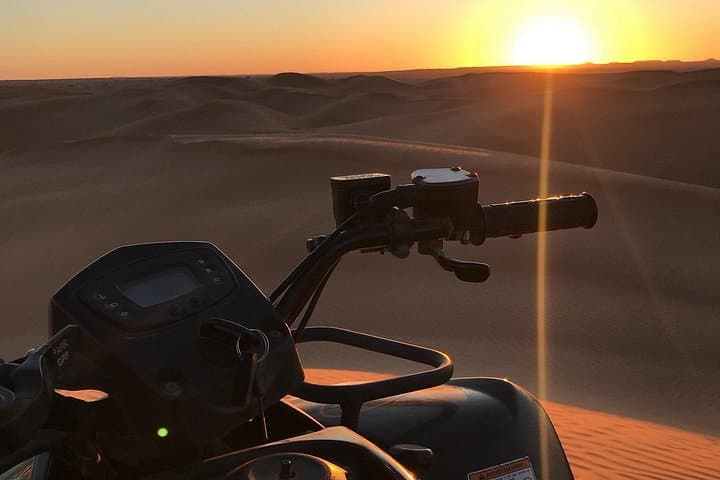


Dawn finds the Roman road glinting as the van rolls east from Djerba, and the desert opens like a living map—wind-sculpted ridges, flat stony plains and sudden pockets of green. By midmorning you step into Tataouine’s market: spices, goatskin, and vendors who read the light like weather. The day threads through Chenini’s stone terraces and the narrow lanes of a hilltop Berber village, then eases toward a night under the stars at Zmela camp.
Dawn finds the Roman road glinting as the van rolls east from Djerba, and the desert opens like a living map—wind-sculpted ridges, flat stony plains and sudden pockets of green. By midmorning you step into Tataouine’s market: spices, goatskin, and vendors who read the light like weather. The day threads through Chenini’s stone terraces and the narrow lanes of a hilltop Berber village, then eases toward a night under the stars at Zmela camp.
This region is a crossroads of human adaptation. Ksour (fortified granaries) and troglodyte homes at Matmata are built into soft sedimentary rock—easy to carve, slow to erode—evidence of millennia of people shaping shelter from the geology. Ksar Ghuilaine’s oasis centers on a thermal source; the hot spring steams in winter and invites a cautious soak in summer.
Culture here moves at desert pace: markets run on barter and conversation, villages preserve Amazigh (Berber) family structures, and a few film sets—Sidi Driss among them—recall the area’s cinematic afterlife.
Practical guide: bring sun protection and layers—day heat can flip to a chill by night. Expect short hikes on uneven rock, steps carved into stone, and dusty tracks between points. The itinerary includes two lunches, one dinner and one night at a desert camp—book pickup and confirm hot spring access ahead. Hydrate early, carry cash for small purchases, and respect private ksar areas and local customs when photographing people.