THE ADVENTURE COLLECTIVE® · Independent discovery and booking for outdoor travel

Fly from Guatemala City to the Petén for a fast-paced, two-day combo: an archaeological tour of Tikal’s towering temples and a canopy-and-hanging-bridges day in Ixpanpajul. Expect jungle trails, steep temple steps and seven zip lines across lush rainforest.
Fly from Guatemala City to the Petén for a fast-paced, two-day combo: an archaeological tour of Tikal’s towering temples and a canopy-and-hanging-bridges day in Ixpanpajul. Expect jungle trails, steep temple steps and seven zip lines across lush rainforest.
You step off the small commuter plane into the humid, green hush of the Petén and the forest immediately presses close — palms and ceiba trunks angling light onto trails worn by centuries of rain. Within an hour you'll be walking the packed-earth alleys of Tikal, where temple staircases rise like stone lungs through the canopy and the calls of howler monkeys dare you forward.
Verified experiences and guided adventures in the surrounding area.
Operated by Guat2do Travel Experiences · Flores, Petén
You step off the small commuter plane into the humid, green hush of the Petén and the forest immediately presses close — palms and ceiba trunks angling light onto trails worn by centuries of rain. Within an hour you'll be walking the packed-earth alleys of Tikal, where temple staircases rise like stone lungs through the canopy and the calls of howler monkeys dare you forward.
Tikal sits on lowland limestone of the Petén basin at roughly 200 m elevation and was a powerhouse of the Classic Maya (circa 6th century BCE–10th century CE). The site’s plazas, stelae and towering pyramids record dynastic ties reaching to Teotihuacan and Calakmul; the carvings are as much political record as ritual art. The geology — porous karst and seasonally saturated soils — shaped settlement and the reservoir systems that sustained the city.
Day two flips from archaeology to adrenaline at Ixpanpajul Natural Park: 7 zip lines, a series of suspension bridges and short jungle trails across about 3–5 km of easy-to-moderate terrain, with panoramic lookouts that read like a vertical map of the forest.
Practical guidance: expect 4–6 km of walking at Tikal with uneven stone steps and hikes of low to moderate elevation gain (mostly dozens to a few hundred steps if you climb temple stairways). Wear grippy hiking shoes, bring 2–3 liters of water, insect repellent and a lightweight rain shell — afternoon storms are common May–October. Flights are commercial; the itinerary includes a carry-on and hotel (3–4 star, double occupancy). Carry passport, pace the early starts, and leave room in your pack for binoculars and sun protection.
Yes — domestic flight to Petén requires a current valid passport on the day of travel.
Expect roughly 4–6 km of walking across dirt trails and stone causeways, with some stair climbs if you ascend temple platforms.
Yes — the zip lines are guided, equipment and briefings are provided; a moderate level of mobility is helpful to manage platforms and steps.
The airfare includes one carry-on; additional checked luggage or upgrades may incur extra fees.
Guat2do Travel Experiences operates guided outdoor trips and adventures with an emphasis on safety, stewardship, and memorable experiences.
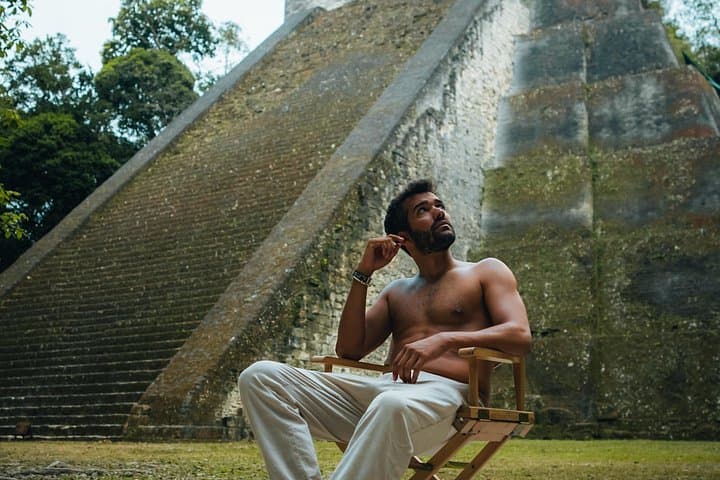
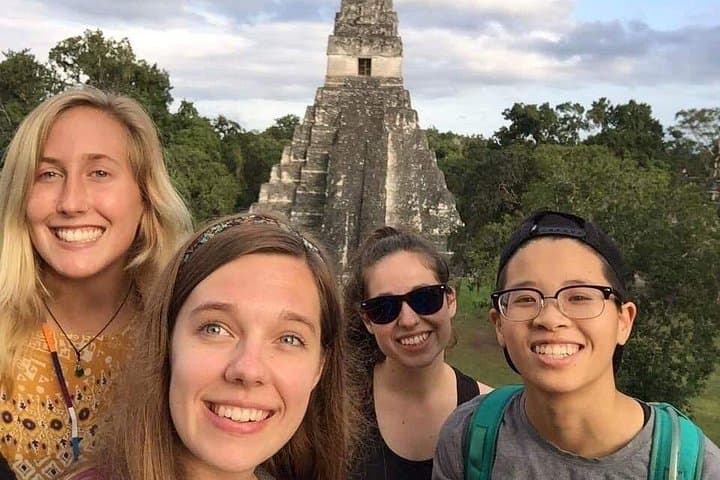
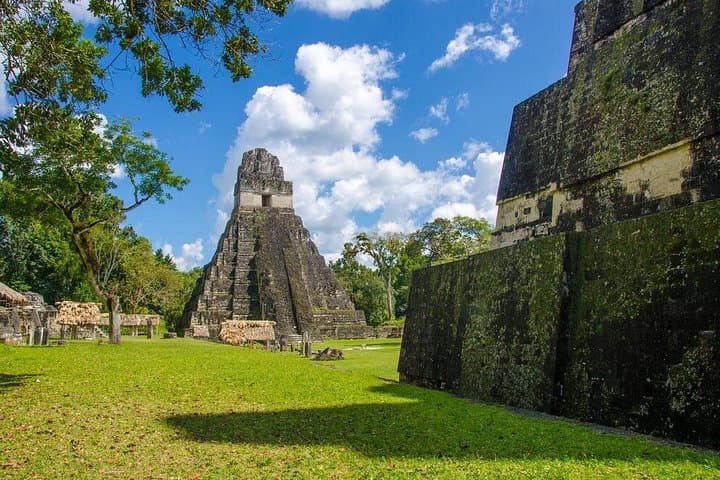
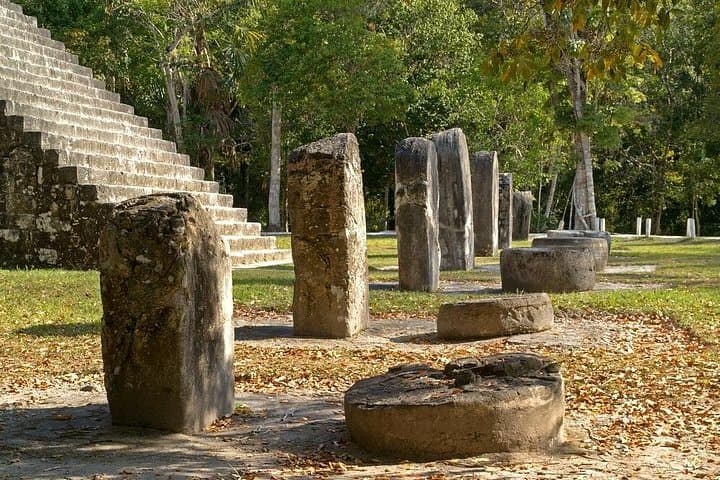
You step off the small commuter plane into the humid, green hush of the Petén and the forest immediately presses close — palms and ceiba trunks angling light onto trails worn by centuries of rain. Within an hour you'll be walking the packed-earth alleys of Tikal, where temple staircases rise like stone lungs through the canopy and the calls of howler monkeys dare you forward.
You step off the small commuter plane into the humid, green hush of the Petén and the forest immediately presses close — palms and ceiba trunks angling light onto trails worn by centuries of rain. Within an hour you'll be walking the packed-earth alleys of Tikal, where temple staircases rise like stone lungs through the canopy and the calls of howler monkeys dare you forward.
Tikal sits on lowland limestone of the Petén basin at roughly 200 m elevation and was a powerhouse of the Classic Maya (circa 6th century BCE–10th century CE). The site’s plazas, stelae and towering pyramids record dynastic ties reaching to Teotihuacan and Calakmul; the carvings are as much political record as ritual art. The geology — porous karst and seasonally saturated soils — shaped settlement and the reservoir systems that sustained the city.
Day two flips from archaeology to adrenaline at Ixpanpajul Natural Park: 7 zip lines, a series of suspension bridges and short jungle trails across about 3–5 km of easy-to-moderate terrain, with panoramic lookouts that read like a vertical map of the forest.
Practical guidance: expect 4–6 km of walking at Tikal with uneven stone steps and hikes of low to moderate elevation gain (mostly dozens to a few hundred steps if you climb temple stairways). Wear grippy hiking shoes, bring 2–3 liters of water, insect repellent and a lightweight rain shell — afternoon storms are common May–October. Flights are commercial; the itinerary includes a carry-on and hotel (3–4 star, double occupancy). Carry passport, pace the early starts, and leave room in your pack for binoculars and sun protection.