THE ADVENTURE COLLECTIVE® · Independent discovery and booking for outdoor travel

Two days where Tokyo’s frenetic energy yields to the volcanic calm of Mount Fuji and Hakone. This private tour pairs city highlights — Tsukiji, Senso-ji, Skytree — with mountain viewpoints, Lake Ashi, and the Hakone Ropeway.
Two days where Tokyo’s frenetic energy yields to the volcanic calm of Mount Fuji and Hakone. This private tour pairs city highlights — Tsukiji, Senso-ji, Skytree — with mountain viewpoints, Lake Ashi, and the Hakone Ropeway.
You step out of a Tokyo hotel at dawn and the city is already pirouetting into motion: delivery trucks threading alleys, neon shutters yielding to coffee steam, and a private van waiting to take you beyond the glass-and-steel skyline. By late morning the lanes thin, rice paddies and conifer ridgelines slide past the window, and Mount Fuji — spare, symmetrical, uncompromising — looms into view like a promise fulfilled.
Verified experiences and guided adventures in the surrounding area.
Operated by Xplor Japan · Tokyo, Tokyo
You step out of a Tokyo hotel at dawn and the city is already pirouetting into motion: delivery trucks threading alleys, neon shutters yielding to coffee steam, and a private van waiting to take you beyond the glass-and-steel skyline. By late morning the lanes thin, rice paddies and conifer ridgelines slide past the window, and Mount Fuji — spare, symmetrical, uncompromising — looms into view like a promise fulfilled.
The first day reads like a concentrated primer on Tokyo’s cultural range. The East Gardens of the Imperial Palace unfold as low, lacquered history: stone walls and moats that once defined Edo Castle. At Tsukiji Outer Market the city’s appetite is immediate — a riot of ice and open flame where sushi vendors work to a metronome of orders. In the afternoon the Skytree stretches viewing-platform patience to its limit; on clear days the city seems to radiate from a single point and Fuji sits like punctuation on the horizon. Harajuku’s Takeshita Street shifts the tone again: neon textiles, crepe stalls, and the blunt joy of youth culture.
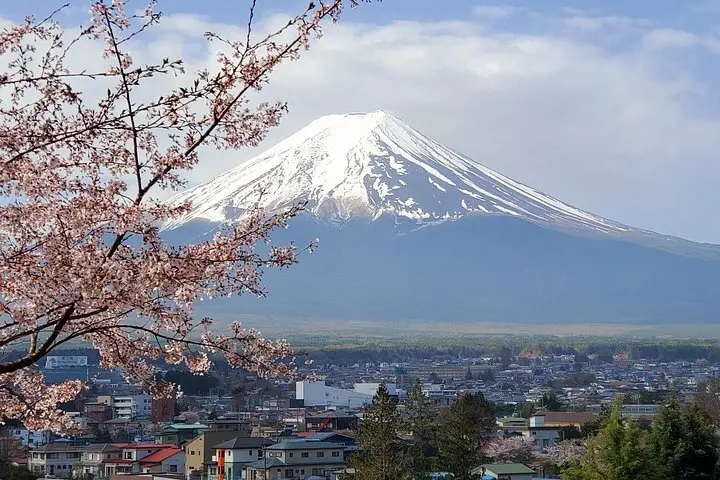
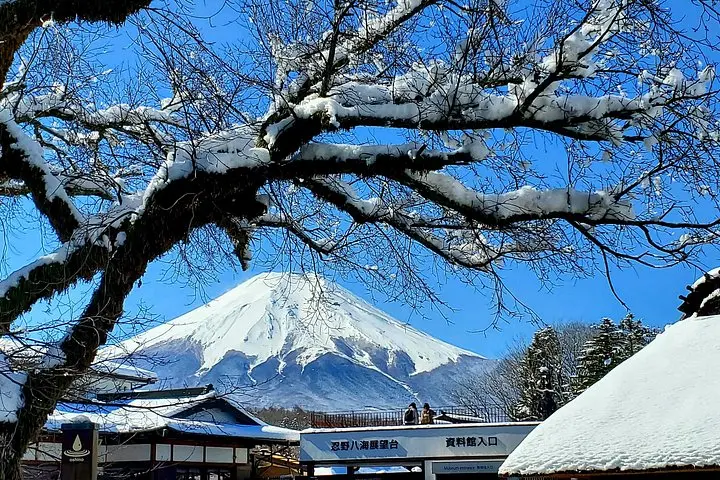
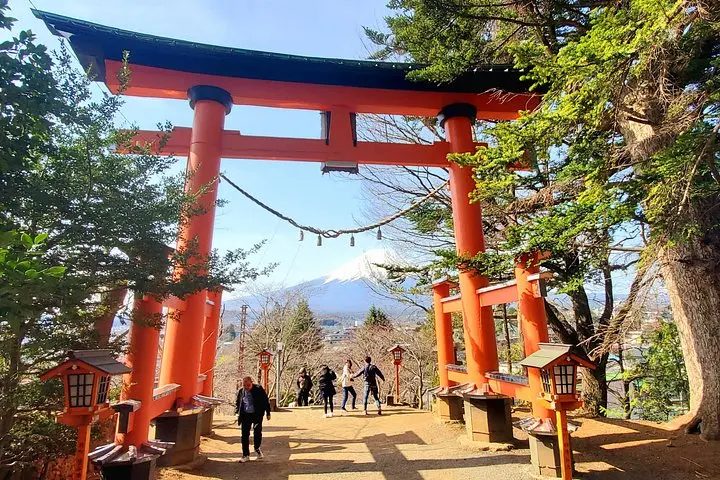
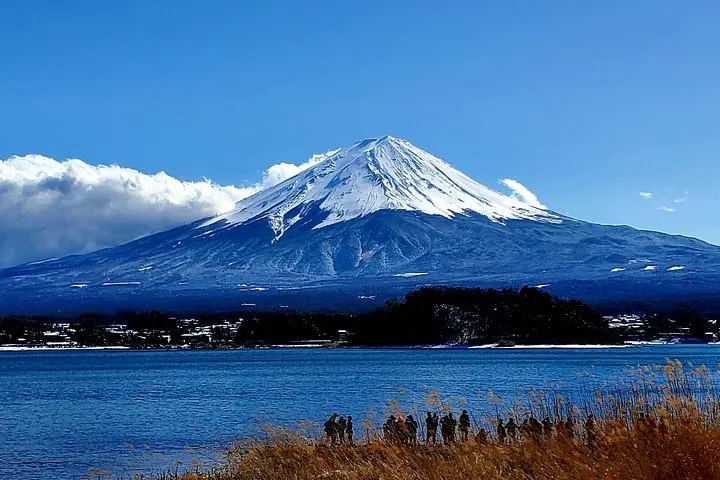
Day two tilts from urban to volcanic. The route threads the Fuji Five Lakes and the mountain’s northern approaches, with a climb of 398 steps to Chureito Pagoda for the classical frame: the five-story pagoda, Fuji’s cone, and, depending on the season, maple flame or cherry bloom. Kitaguchi Hongu Fuji Sengen Shrine marks centuries of mountain veneration; Oshino Hakkai’s spring-fed ponds mirror the peak in glassy precision. In Hakone, Lake Ashi’s placid surface invites a short cruise and the Hakone Ropeway — a 7.7 km cable corridor to 1,300 m — exposes the landscape’s geothermal undercurrent at Owakudani, where steam vents and sulfur-scented air remind you the ground here remembers fire.
Geology and culture are braided: Fuji is a stratovolcano with a final major eruption in the early 18th century, and local shrines and pilgrimage routes grew from that volatile history. The private format means the pace is yours: photography stops, onsen detours, and optional access to the Fujiyoshida 5th Station if you request it in advance.
Practicalities: the two-day tour runs about 48 hours including pick-up and drop-off in Tokyo; expect several hours of van travel each day (roughly 2–3 hours one way to the Fuji/Hakone area depending on traffic). Footing ranges from smooth city pavements to short stone steps and paved mountain viewpoints — basic mobility is sufficient; summit attempts on Fuji are not included by default. Bring layered clothing for temperature swings (Tokyo humidity, mountain chill), a daypack with water and sunscreen, and a camera with a wide-angle lens for the pagoda-Fuji frame.
The trip blends city immediacy with volcanic calm: a compact experience that gives both Tokyo’s modern pulse and the elemental presence of Japan’s most famous mountain — delivered with a private guide and the flexibility to linger where the view, or your curiosity, demands it.
No—this private tour visits viewpoints, shrines, and lakes; summit climbs require a separate, full-day/overnight itinerary and appropriate climbing season equipment.
No—an English-speaking driver/guide is included and can assist with logistics, basic translation, and local recommendations.
Travel time is typically 2–3 hours each way by private vehicle depending on traffic; the itinerary schedules these transfers into each day.
Yes—this is a private tour. Stops, photography time, or an overnight local stay can be arranged if requested when booking.
Lunch is not guaranteed in the itinerary; guides can recommend or arrange local restaurants, and the tour includes time at dining spots like Tsukiji Outer Market.
Most walking is short and on paved or stone surfaces; travelers with limited mobility should note the Chureito Pagoda has 398 steps and some viewpoints involve short stair climbs.
Xplor Japan operates guided outdoor trips and adventures with an emphasis on safety, stewardship, and memorable experiences.
You step out of a Tokyo hotel at dawn and the city is already pirouetting into motion: delivery trucks threading alleys, neon shutters yielding to coffee steam, and a private van waiting to take you beyond the glass-and-steel skyline. By late morning the lanes thin, rice paddies and conifer ridgelines slide past the window, and Mount Fuji — spare, symmetrical, uncompromising — looms into view like a promise fulfilled.
You step out of a Tokyo hotel at dawn and the city is already pirouetting into motion: delivery trucks threading alleys, neon shutters yielding to coffee steam, and a private van waiting to take you beyond the glass-and-steel skyline. By late morning the lanes thin, rice paddies and conifer ridgelines slide past the window, and Mount Fuji — spare, symmetrical, uncompromising — looms into view like a promise fulfilled.
The first day reads like a concentrated primer on Tokyo’s cultural range. The East Gardens of the Imperial Palace unfold as low, lacquered history: stone walls and moats that once defined Edo Castle. At Tsukiji Outer Market the city’s appetite is immediate — a riot of ice and open flame where sushi vendors work to a metronome of orders. In the afternoon the Skytree stretches viewing-platform patience to its limit; on clear days the city seems to radiate from a single point and Fuji sits like punctuation on the horizon. Harajuku’s Takeshita Street shifts the tone again: neon textiles, crepe stalls, and the blunt joy of youth culture.
Day two tilts from urban to volcanic. The route threads the Fuji Five Lakes and the mountain’s northern approaches, with a climb of 398 steps to Chureito Pagoda for the classical frame: the five-story pagoda, Fuji’s cone, and, depending on the season, maple flame or cherry bloom. Kitaguchi Hongu Fuji Sengen Shrine marks centuries of mountain veneration; Oshino Hakkai’s spring-fed ponds mirror the peak in glassy precision. In Hakone, Lake Ashi’s placid surface invites a short cruise and the Hakone Ropeway — a 7.7 km cable corridor to 1,300 m — exposes the landscape’s geothermal undercurrent at Owakudani, where steam vents and sulfur-scented air remind you the ground here remembers fire.
Geology and culture are braided: Fuji is a stratovolcano with a final major eruption in the early 18th century, and local shrines and pilgrimage routes grew from that volatile history. The private format means the pace is yours: photography stops, onsen detours, and optional access to the Fujiyoshida 5th Station if you request it in advance.
Practicalities: the two-day tour runs about 48 hours including pick-up and drop-off in Tokyo; expect several hours of van travel each day (roughly 2–3 hours one way to the Fuji/Hakone area depending on traffic). Footing ranges from smooth city pavements to short stone steps and paved mountain viewpoints — basic mobility is sufficient; summit attempts on Fuji are not included by default. Bring layered clothing for temperature swings (Tokyo humidity, mountain chill), a daypack with water and sunscreen, and a camera with a wide-angle lens for the pagoda-Fuji frame.
The trip blends city immediacy with volcanic calm: a compact experience that gives both Tokyo’s modern pulse and the elemental presence of Japan’s most famous mountain — delivered with a private guide and the flexibility to linger where the view, or your curiosity, demands it.