THE ADVENTURE COLLECTIVE® · Independent discovery and booking for outdoor travel

Two days from Marrakech will take you to the roof of North Africa. This guided trek combines mule support, an overnight at Neltner Refuge, and a full-day summit push to 4,167 m—steep, scenic, and altitude-challenging.
Two days from Marrakech will take you to the roof of North Africa. This guided trek combines mule support, an overnight at Neltner Refuge, and a full-day summit push to 4,167 m—steep, scenic, and altitude-challenging.
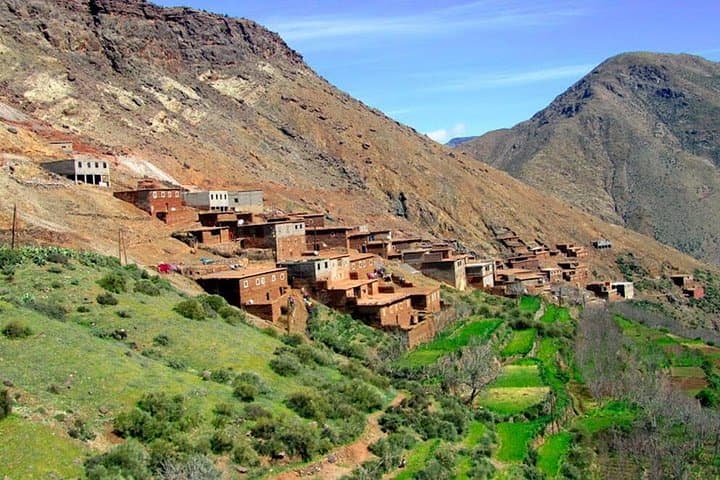
You set off before dawn from Marrakech, the city lights shrinking behind you as the road climbs into the High Atlas. By midmorning the trailhead at Imlil opens into a dry-stone world of terraces and mule tracks; the mountains loom like a moving weather line that will test your legs and patience.
Verified experiences and guided adventures in the surrounding area.
Operated by Tours From Marrakech · Imlil, Marrakech-Safi
You set off before dawn from Marrakech, the city lights shrinking behind you as the road climbs into the High Atlas. By midmorning the trailhead at Imlil opens into a dry-stone world of terraces and mule tracks; the mountains loom like a moving weather line that will test your legs and patience.
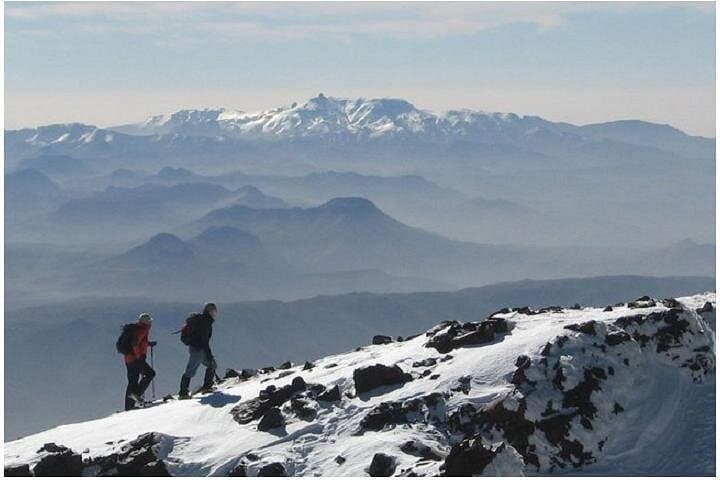
Mount Toubkal (4,167 m) is North Africa’s highest peak, born from the collision of the African and Eurasian plates; granite and schist rise in sharp ridges that catch wind and snow. The route threads through Amazigh (Berber) villages—stone houses, stacked fields and the occasional shrine—where local guides and muleteers still move supplies the traditional way.
Day one typically climbs roughly 1,300–1,500 m from Imlil to the Neltner Refuge (about 10 km, 3–5 hours) over well-worn paths and steeper switchbacks. The refuge sits at ~3,200 m; expect thin air, crisp light and a night inside a simple mountain hut run by local staff. Day two is a steep 900–1,000 m push over loose scree and rock to the summit and back—plan for 6–8 hours round-trip from the hut with variable footing near the crest.
Practically: book a guide and mule support, start early to avoid afternoon winds, pace your ascent and hydrate for altitude, and bring crampons or microspikes in winter/spring. Respect water sources and local customs in villages. The effort is rewarded by a summit panorama that lays out the Atlas range and Marrakech’s faint haze to the northwest—a clear, hard-earned view that makes the climb worth every switchback.
You should have regular aerobic fitness and experience on full-day hikes; the main challenge is sustained elevation gain and thin air rather than technical climbing.
No technical climbing gear is needed for the normal route; crampons or microspikes are recommended in winter or snowy spring conditions.
Groups typically stay at the Neltner Mountain Hut (refuge) at ~3,200 m, which offers basic bunks and meals run by local staff.
Yes—muleteers and mules are commonly included to transport luggage to the refuge so trekkers carry only a daypack.
Tours From Marrakech operates guided outdoor trips and adventures with an emphasis on safety, stewardship, and memorable experiences.


You set off before dawn from Marrakech, the city lights shrinking behind you as the road climbs into the High Atlas. By midmorning the trailhead at Imlil opens into a dry-stone world of terraces and mule tracks; the mountains loom like a moving weather line that will test your legs and patience.
You set off before dawn from Marrakech, the city lights shrinking behind you as the road climbs into the High Atlas. By midmorning the trailhead at Imlil opens into a dry-stone world of terraces and mule tracks; the mountains loom like a moving weather line that will test your legs and patience.
Mount Toubkal (4,167 m) is North Africa’s highest peak, born from the collision of the African and Eurasian plates; granite and schist rise in sharp ridges that catch wind and snow. The route threads through Amazigh (Berber) villages—stone houses, stacked fields and the occasional shrine—where local guides and muleteers still move supplies the traditional way.
Day one typically climbs roughly 1,300–1,500 m from Imlil to the Neltner Refuge (about 10 km, 3–5 hours) over well-worn paths and steeper switchbacks. The refuge sits at ~3,200 m; expect thin air, crisp light and a night inside a simple mountain hut run by local staff. Day two is a steep 900–1,000 m push over loose scree and rock to the summit and back—plan for 6–8 hours round-trip from the hut with variable footing near the crest.
Practically: book a guide and mule support, start early to avoid afternoon winds, pace your ascent and hydrate for altitude, and bring crampons or microspikes in winter/spring. Respect water sources and local customs in villages. The effort is rewarded by a summit panorama that lays out the Atlas range and Marrakech’s faint haze to the northwest—a clear, hard-earned view that makes the climb worth every switchback.