THE ADVENTURE COLLECTIVE® · Independent discovery and booking for outdoor travel

A two-day trek from Lalibela across the Lasta highlands: steep fields and volcanic ridges, close encounters with gelada baboons, and community homestays. Expect 5–6 hours of hiking per day on uneven terrain with big, open views.
A two-day trek from Lalibela across the Lasta highlands: steep fields and volcanic ridges, close encounters with gelada baboons, and community homestays. Expect 5–6 hours of hiking per day on uneven terrain with big, open views.
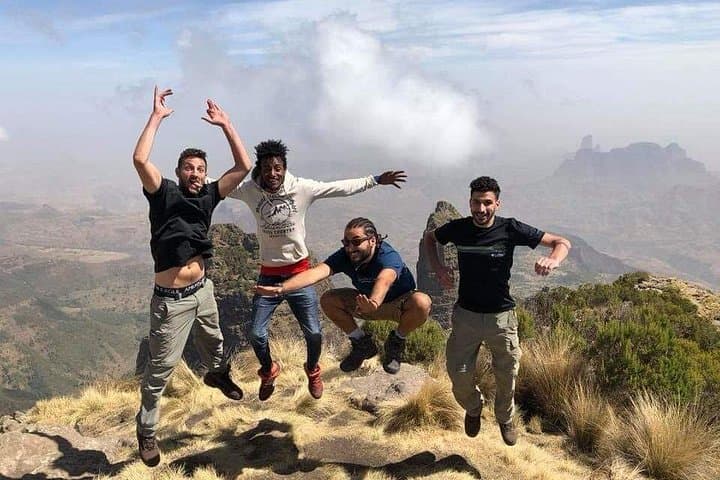
Morning light slices the highlands as trekkers step out from Lalibela toward scarred rhyolite ridges and wide, grass-swept plateaus. The air is thin and cool; Sudanese acacias and juniper scrubs give way to exposed rock underfoot. Day one climbs steadily for 5–6 hours across terraced farmland and communal footpaths to Abune Yosife, where villagers host evening tea and simple local fare.
Verified experiences and guided adventures in the surrounding area.
Operated by Ethiopian Wanderer Tours & Travel · Lalibela, Amhara
Morning light slices the highlands as trekkers step out from Lalibela toward scarred rhyolite ridges and wide, grass-swept plateaus. The air is thin and cool; Sudanese acacias and juniper scrubs give way to exposed rock underfoot. Day one climbs steadily for 5–6 hours across terraced farmland and communal footpaths to Abune Yosife, where villagers host evening tea and simple local fare.
The Lasta massif is carved from volcanic flows and uplift, its cliffs and tablelands formed over millions of years. Lalibela’s churches — carved into rock in the 12th century — speak to the region’s spiritual history; the trek routes follow routes used by pilgrims and shepherds for generations. Culturally, expect encounters with Amhara rural life: stone houses, grazing flocks, and families who still rely on seasonal grain and barley.
Wildlife is a highlight: gelada baboons graze on the plateaus in small bands and a variety of highland birds hunt the thermals. The landscape tests rhythm and patience: watercourses dare you to find dry crossings in the shoulder seasons, and plateaus expose you to unfiltered sun.
Practical guidance: bring sturdy boots with ankle support, 2–3 liters of water per day, layered clothing for large temperature swings, and a compact first-aid kit. Plan for 5–6 hours of walking each day on uneven, sometimes steep terrain. Respect local customs when staying in community accommodations and carry cash for small purchases. With basic fitness and gravelly trails underfoot, this two-day loop rewards hikers with wide, uninterrupted views of Ethiopia’s high plateaus.
The route is moderate—no technical climbing—but requires comfort with 5–6 hours of walking on uneven trails and basic stamina for uphill sections.
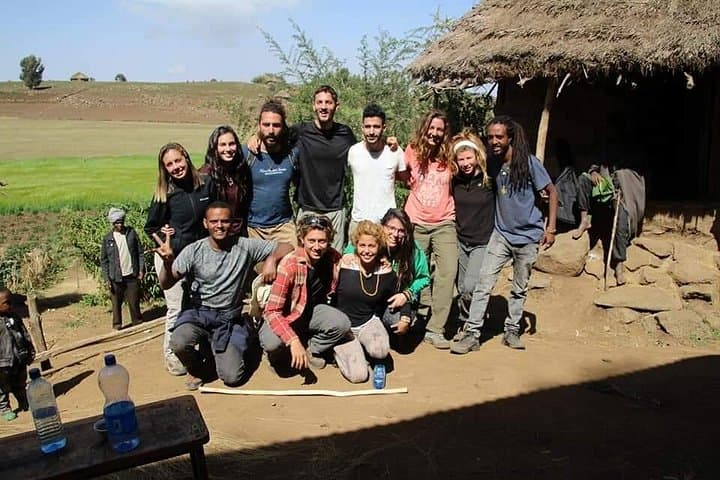
Night one is a local community homestay with simple facilities; night two is at a Lalibela lodge. Expect basic bedding and shared facilities at village stays.
A local guide is strongly recommended; they handle navigation, introductions to communities, and wildlife spotting like geladas.
Carry Ethiopian birr for small purchases, tips, and possible extra snacks or bottled water—village stops don’t accept cards.
Ethiopian Wanderer Tours & Travel operates guided outdoor trips and adventures with an emphasis on safety, stewardship, and memorable experiences.
Morning light slices the highlands as trekkers step out from Lalibela toward scarred rhyolite ridges and wide, grass-swept plateaus. The air is thin and cool; Sudanese acacias and juniper scrubs give way to exposed rock underfoot. Day one climbs steadily for 5–6 hours across terraced farmland and communal footpaths to Abune Yosife, where villagers host evening tea and simple local fare.
Morning light slices the highlands as trekkers step out from Lalibela toward scarred rhyolite ridges and wide, grass-swept plateaus. The air is thin and cool; Sudanese acacias and juniper scrubs give way to exposed rock underfoot. Day one climbs steadily for 5–6 hours across terraced farmland and communal footpaths to Abune Yosife, where villagers host evening tea and simple local fare.
The Lasta massif is carved from volcanic flows and uplift, its cliffs and tablelands formed over millions of years. Lalibela’s churches — carved into rock in the 12th century — speak to the region’s spiritual history; the trek routes follow routes used by pilgrims and shepherds for generations. Culturally, expect encounters with Amhara rural life: stone houses, grazing flocks, and families who still rely on seasonal grain and barley.
Wildlife is a highlight: gelada baboons graze on the plateaus in small bands and a variety of highland birds hunt the thermals. The landscape tests rhythm and patience: watercourses dare you to find dry crossings in the shoulder seasons, and plateaus expose you to unfiltered sun.
Practical guidance: bring sturdy boots with ankle support, 2–3 liters of water per day, layered clothing for large temperature swings, and a compact first-aid kit. Plan for 5–6 hours of walking each day on uneven, sometimes steep terrain. Respect local customs when staying in community accommodations and carry cash for small purchases. With basic fitness and gravelly trails underfoot, this two-day loop rewards hikers with wide, uninterrupted views of Ethiopia’s high plateaus.