THE ADVENTURE COLLECTIVE® · Independent discovery and booking for outdoor travel

Two days of high-Andean trekking in Cordon del Plata: a 4x4 approach, a night in a mountain refuge, and a summit push to roughly 4,000 m. Expect long hiking days, stark alpine geology, and wildlife-sparse but dramatic views.
Two days of high-Andean trekking in Cordon del Plata: a 4x4 approach, a night in a mountain refuge, and a summit push to roughly 4,000 m. Expect long hiking days, stark alpine geology, and wildlife-sparse but dramatic views.
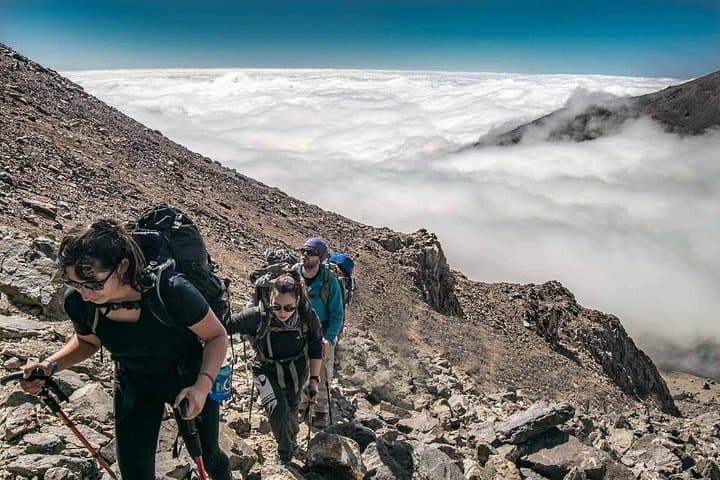
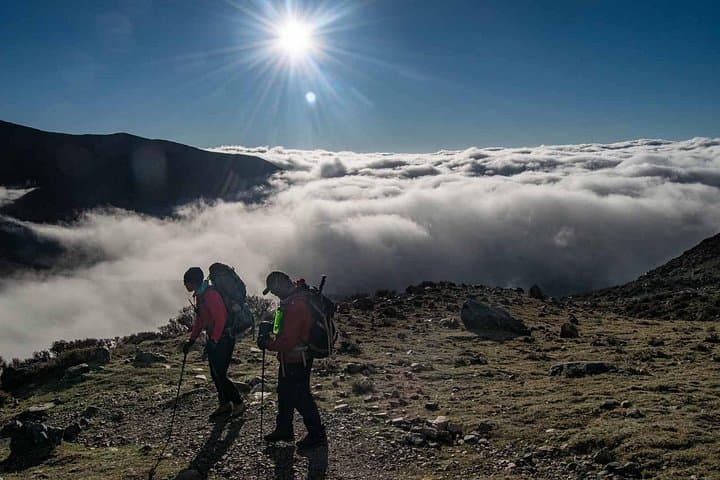
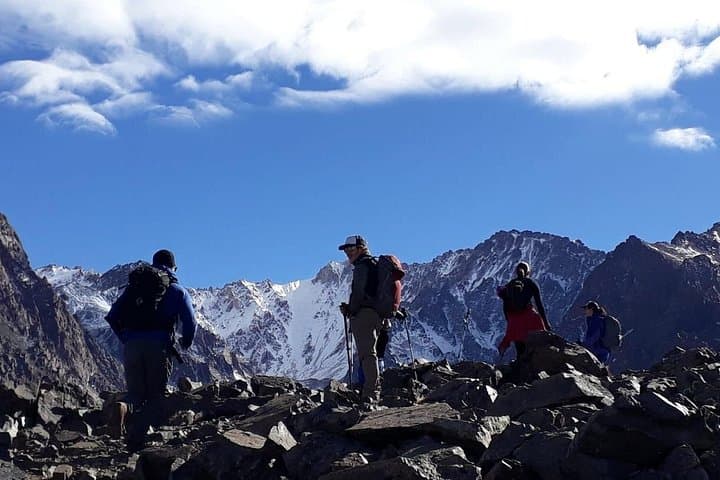
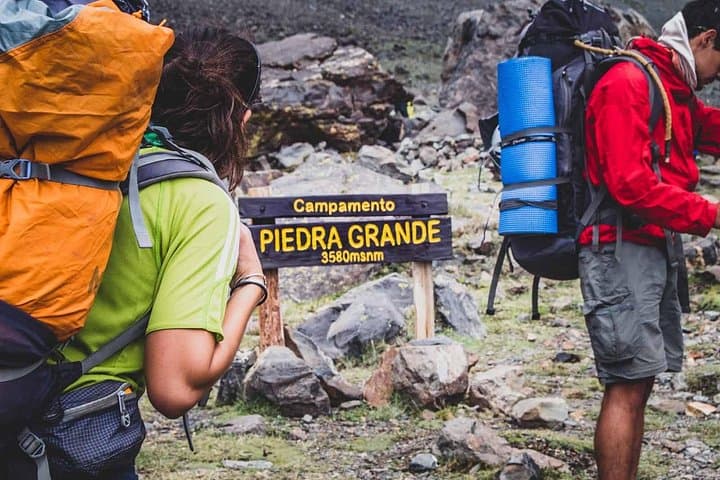
You step out of the 4x4 into thin air and a high plain of scree and wind-brushed boulders. Cold light strips the valley into sharp planes; condors wheel above and a distant glacier gleams like old metal. The route climbs from the Cordon del Plata base at roughly 2,900 m toward a simple stone refuge, then on to a 4,000 m class summit the next day — hard ground, clear views, and the steady rhythm of boots on rock.
Verified experiences and guided adventures in the surrounding area.
Operated by Andes Vertical · Mendoza, Mendoza Province
You step out of the 4x4 into thin air and a high plain of scree and wind-brushed boulders. Cold light strips the valley into sharp planes; condors wheel above and a distant glacier gleams like old metal. The route climbs from the Cordon del Plata base at roughly 2,900 m toward a simple stone refuge, then on to a 4,000 m class summit the next day — hard ground, clear views, and the steady rhythm of boots on rock.
The range has long been a corridor between Andean valleys; mountaineers and local crianceros shaped trails here while pre-Hispanic peoples traversed the high passes. Geologically, the cordillera is a young, uplifted edge of the Andes — granite and volcanic deposits cut by glacial sculpting that leaves jagged ridges and moraines.
Culturally the region ties to Mendoza’s wine country below: guides often combine mountain lore with local food and robust Malbec. Wildlife is austere but present — guanacos browse the plateaus and condors ride thermals over ridgelines.
Practically, expect a 4x4 approach, an overnight in a basic mountain refuge, and a 6–8 hour summit day with 1,000–1,200 m of elevation gain on mixed dirt, rock, and patches of snow depending on season. Bring a sleeping bag rated to -5°C, layered clothing, solid boots, and poles. Hydrate well and give yourself time to acclimatize; weather can flip from sun to wind-driven snow in hours. Guides will set the pace and make the call on summit day — your job is steady breathing, consistent steps, and leaving no trace on the high country.
You should have a solid aerobic base and experience hiking full days with a loaded pack; expect sustained climbs and thin air at 3,500–4,000 m.
Yes—acute mountain illness is possible. Take time to acclimatize, hydrate, and inform guides about any symptoms; they may adjust plans for safety.
Refuges are basic mountain shelters with bunk spaces and communal meals; bring a personal sleeping bag and limited personal items for two nights.
Most tours include a 4x4 transfer from Mendoza early on day one; confirm pickup point and time with the operator when booking.
Andes Vertical operates guided outdoor trips and adventures with an emphasis on safety, stewardship, and memorable experiences.
You step out of the 4x4 into thin air and a high plain of scree and wind-brushed boulders. Cold light strips the valley into sharp planes; condors wheel above and a distant glacier gleams like old metal. The route climbs from the Cordon del Plata base at roughly 2,900 m toward a simple stone refuge, then on to a 4,000 m class summit the next day — hard ground, clear views, and the steady rhythm of boots on rock.
You step out of the 4x4 into thin air and a high plain of scree and wind-brushed boulders. Cold light strips the valley into sharp planes; condors wheel above and a distant glacier gleams like old metal. The route climbs from the Cordon del Plata base at roughly 2,900 m toward a simple stone refuge, then on to a 4,000 m class summit the next day — hard ground, clear views, and the steady rhythm of boots on rock.
The range has long been a corridor between Andean valleys; mountaineers and local crianceros shaped trails here while pre-Hispanic peoples traversed the high passes. Geologically, the cordillera is a young, uplifted edge of the Andes — granite and volcanic deposits cut by glacial sculpting that leaves jagged ridges and moraines.
Culturally the region ties to Mendoza’s wine country below: guides often combine mountain lore with local food and robust Malbec. Wildlife is austere but present — guanacos browse the plateaus and condors ride thermals over ridgelines.
Practically, expect a 4x4 approach, an overnight in a basic mountain refuge, and a 6–8 hour summit day with 1,000–1,200 m of elevation gain on mixed dirt, rock, and patches of snow depending on season. Bring a sleeping bag rated to -5°C, layered clothing, solid boots, and poles. Hydrate well and give yourself time to acclimatize; weather can flip from sun to wind-driven snow in hours. Guides will set the pace and make the call on summit day — your job is steady breathing, consistent steps, and leaving no trace on the high country.