THE ADVENTURE COLLECTIVE® · Independent discovery and booking for outdoor travel

Two days on the Tiger Leaping Gorge trail deliver cliffside views, roaring river canyons and nights in family-run guesthouses. This concise guide covers what to expect on trails, cultural notes and practical tips for planning the trek.
Two days on the Tiger Leaping Gorge trail deliver cliffside views, roaring river canyons and nights in family-run guesthouses. This concise guide covers what to expect on trails, cultural notes and practical tips for planning the trek.
You step onto a narrow path and the Jinsha River immediately steals the show, a silver thread pounding far below as cliffs rise like cut stone. The air is thin and cool; prayer flags and flat-topped Naxi houses punctuate the slopes. Over two days this route pushes along scree and carved switchbacks, trading close-up canyon drama for sudden high ridgeline panoramas.
Verified experiences and guided adventures in the surrounding area.
Operated by Wonders Of Yunnan Travel · Lijiang, Yunnan
You step onto a narrow path and the Jinsha River immediately steals the show, a silver thread pounding far below as cliffs rise like cut stone. The air is thin and cool; prayer flags and flat-topped Naxi houses punctuate the slopes. Over two days this route pushes along scree and carved switchbacks, trading close-up canyon drama for sudden high ridgeline panoramas.
Geologically the gorge is a dramatic incision of the Yangtze’s upper reaches between Haba Snow Mountain and the Jade Dragon massif, where glacial and river action have carved near-vertical cliffs. Culturally the trail threads Naxi villages and fragments of the old Tea Horse Road—local life remains visible in terraced fields and simple guesthouses where hot yak butter tea is shared. The 28 Zigzag Turns section is a highlight: strenuous, exposed and unmistakably scenic.
Practically, expect two days of hiking with 3–4 hour mountain days, roughly 8–12 km per day and intermittent climbs of 300–600 m. Paths vary from packed dirt to rocky stair sections; some stretches are narrow with drop-offs. Overnight stays are in family-run guesthouses (shared rooms common). The route is best started early to avoid afternoon winds and cloud build-up; bring layers for sharp temperature swings and enough water for long, exposed sections. Allow time for photography and slow descents through village lanes.
Permits and entrance fees are routine at main viewpoints; local guides ease logistics and provide cultural context. Leave no trace: trails are narrow, erosion is ongoing and respectful behavior supports fragile mountain communities.
Moderate: expect 3–4 hours of walking per day on uneven and sometimes steep terrain with elevation changes of a few hundred meters.
Entrance fees are charged at main scenic areas; guides or guesthouses can arrange tickets and inform you of current requirements.
Trail elevations commonly range around 2,500–3,200 m; allow time to acclimatize if coming from low elevations.
Accommodation is typically family-run with shared rooms likely; upgrades or private rooms depend on availability and booking choices.
Wonders Of Yunnan Travel operates guided outdoor trips and adventures with an emphasis on safety, stewardship, and memorable experiences.
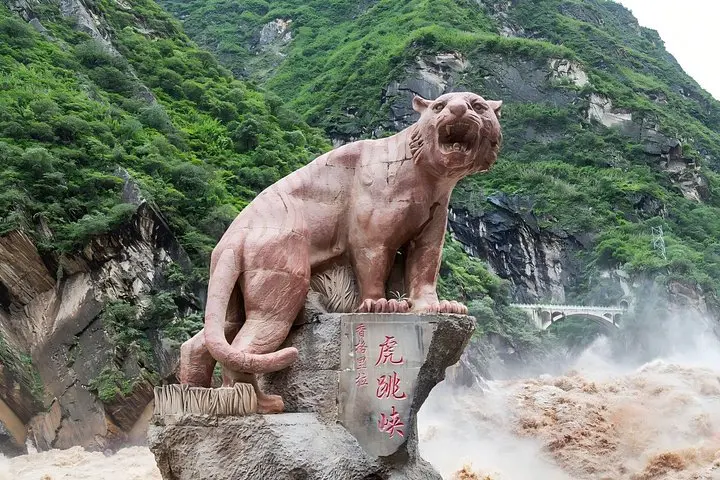
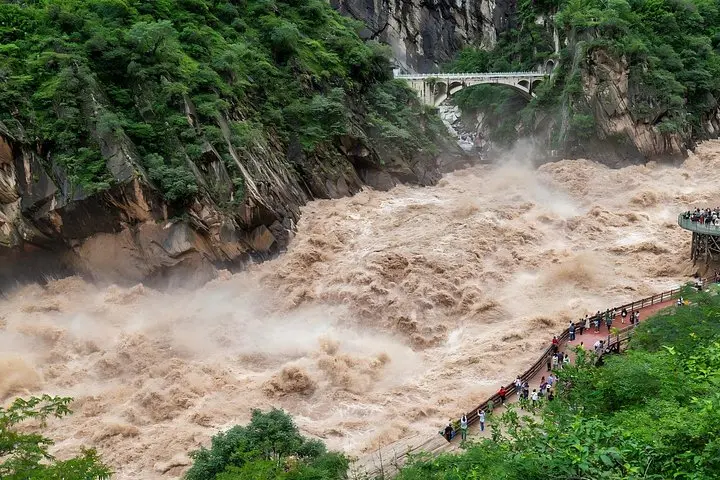
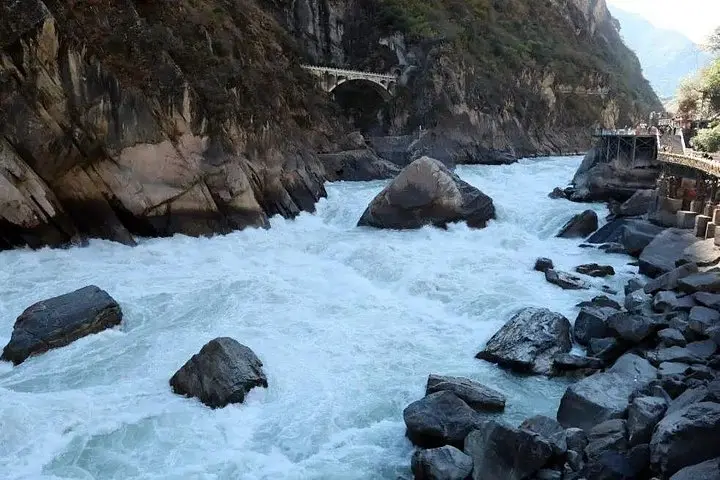
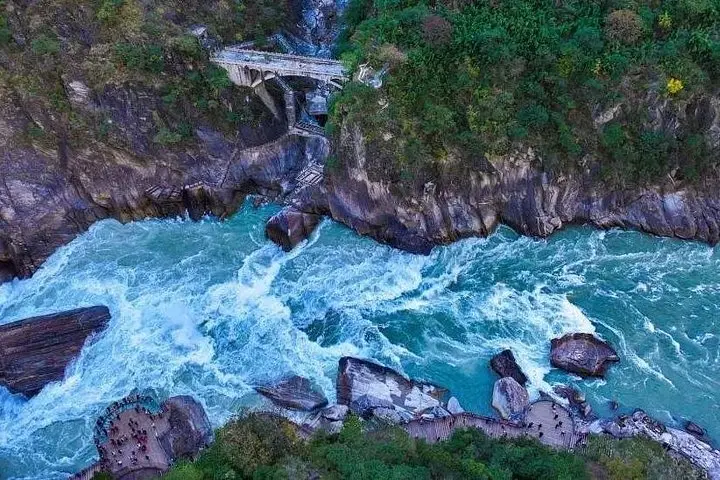
You step onto a narrow path and the Jinsha River immediately steals the show, a silver thread pounding far below as cliffs rise like cut stone. The air is thin and cool; prayer flags and flat-topped Naxi houses punctuate the slopes. Over two days this route pushes along scree and carved switchbacks, trading close-up canyon drama for sudden high ridgeline panoramas.
You step onto a narrow path and the Jinsha River immediately steals the show, a silver thread pounding far below as cliffs rise like cut stone. The air is thin and cool; prayer flags and flat-topped Naxi houses punctuate the slopes. Over two days this route pushes along scree and carved switchbacks, trading close-up canyon drama for sudden high ridgeline panoramas.
Geologically the gorge is a dramatic incision of the Yangtze’s upper reaches between Haba Snow Mountain and the Jade Dragon massif, where glacial and river action have carved near-vertical cliffs. Culturally the trail threads Naxi villages and fragments of the old Tea Horse Road—local life remains visible in terraced fields and simple guesthouses where hot yak butter tea is shared. The 28 Zigzag Turns section is a highlight: strenuous, exposed and unmistakably scenic.
Practically, expect two days of hiking with 3–4 hour mountain days, roughly 8–12 km per day and intermittent climbs of 300–600 m. Paths vary from packed dirt to rocky stair sections; some stretches are narrow with drop-offs. Overnight stays are in family-run guesthouses (shared rooms common). The route is best started early to avoid afternoon winds and cloud build-up; bring layers for sharp temperature swings and enough water for long, exposed sections. Allow time for photography and slow descents through village lanes.
Permits and entrance fees are routine at main viewpoints; local guides ease logistics and provide cultural context. Leave no trace: trails are narrow, erosion is ongoing and respectful behavior supports fragile mountain communities.