THE ADVENTURE COLLECTIVE® · Independent discovery and booking for outdoor travel

A compact two-day journey from the Tunisian coast into the Sahara: Roman ruins, salt flats, troglodyte villages and a night in a traditional desert camp near Douz. Perfect for travelers who want cultural depth plus dune time without technical effort.
A compact two-day journey from the Tunisian coast into the Sahara: Roman ruins, salt flats, troglodyte villages and a night in a traditional desert camp near Douz. Perfect for travelers who want cultural depth plus dune time without technical effort.
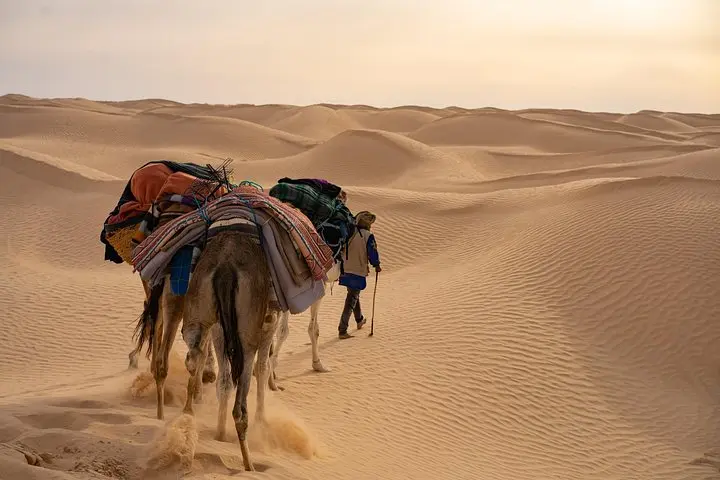
Late-afternoon light slides across the dunes as the minibus unwinds from the coastal plain toward the Sahara; by sunset you’re stepping from tarmac into sand, camel tracks folding behind you. This two-day loop from Tunis, Hammamet or Sousse threads Roman ruins, salt flats and mountain oases before delivering a night in a traditional desert tent near Douz.
Verified experiences and guided adventures in the surrounding area.
Operated by Depart Travel Services · Douz, Kebili
Late-afternoon light slides across the dunes as the minibus unwinds from the coastal plain toward the Sahara; by sunset you’re stepping from tarmac into sand, camel tracks folding behind you. This two-day loop from Tunis, Hammamet or Sousse threads Roman ruins, salt flats and mountain oases before delivering a night in a traditional desert tent near Douz.
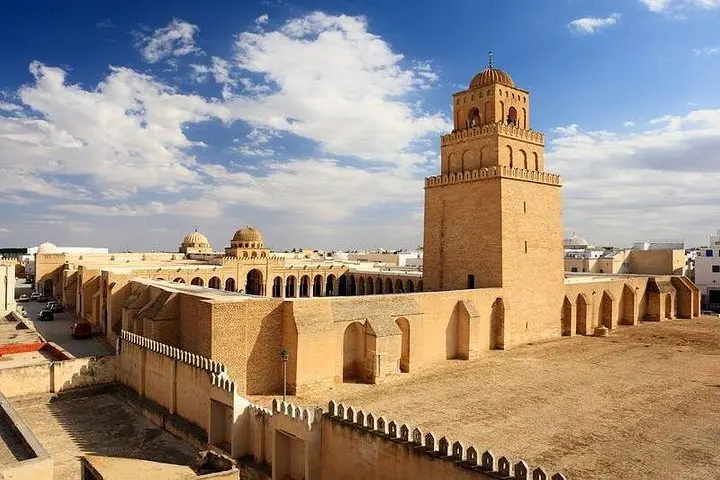
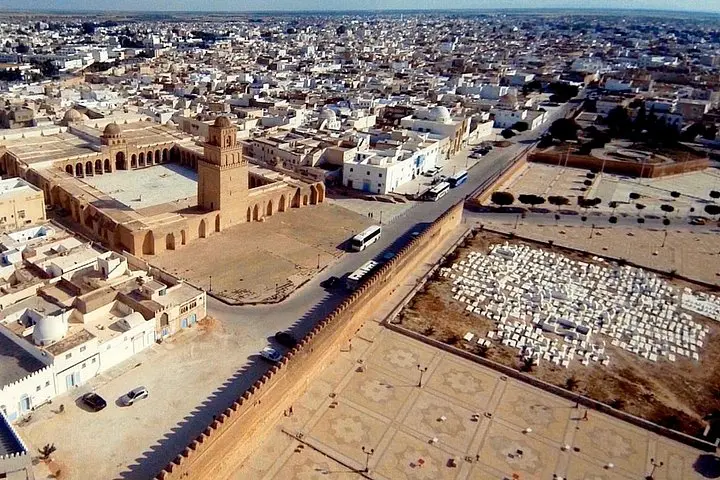
Geology and history arrive together here: wind-sculpted erg dunes give way to the hard white of Chott el Jerid, North Africa’s largest salt pan, while inland towns like El Jem and Kairouan record Tunisia’s layered past from Roman amphitheaters to early Islamic architecture. Matmata’s troglodyte homes and Chebika’s mountain oasis show how peoples long adapted to scarce water and shifting sand.
Culturally, the trip blends Bedouin hospitality—sand-baked bread and campfire dinner—with practical guides who translate local customs and routes. Expect a short camel ride into the dune field, an ascent for sunset, and a clear, cold night where temperatures drop sharply.
Practicalities: the tour is vehicle-based with long driving sections and short walks; luggage is stored on the coach and the camp provides basic shared tents and half-board meals. Bring layered clothing for warm days and chilly nights, sun protection, sturdy closed-toe shoes for dunes, and a refillable water bottle. Charge devices before departure—power is limited in camp.
This itinerary is ideal for travelers looking to compress a broad taste of southern Tunisia into a compact, well-supported adventure that prioritizes cultural contact and desert time over technical exertion.
Expect multiple hours of driving each day; a direct drive to Douz from Tunis is roughly 6–8 hours including stops, but the tour schedules planned cultural stops that extend travel time.
Camps provide basic double-occupancy tents with mattresses and blankets; facilities are simple and focused on authentic desert experience rather than luxury.
Yes—this itinerary is family-friendly and listed as suitable for all fitness levels, but parents should plan for long drives and ensure children are comfortable with changing temperatures and sand exposure.
Camel rides through the dunes are included as a short experience, typically 20–40 minutes, designed to give a desert perspective without requiring prior experience.
Depart Travel Services operates guided outdoor trips and adventures with an emphasis on safety, stewardship, and memorable experiences.
Late-afternoon light slides across the dunes as the minibus unwinds from the coastal plain toward the Sahara; by sunset you’re stepping from tarmac into sand, camel tracks folding behind you. This two-day loop from Tunis, Hammamet or Sousse threads Roman ruins, salt flats and mountain oases before delivering a night in a traditional desert tent near Douz.
Late-afternoon light slides across the dunes as the minibus unwinds from the coastal plain toward the Sahara; by sunset you’re stepping from tarmac into sand, camel tracks folding behind you. This two-day loop from Tunis, Hammamet or Sousse threads Roman ruins, salt flats and mountain oases before delivering a night in a traditional desert tent near Douz.
Geology and history arrive together here: wind-sculpted erg dunes give way to the hard white of Chott el Jerid, North Africa’s largest salt pan, while inland towns like El Jem and Kairouan record Tunisia’s layered past from Roman amphitheaters to early Islamic architecture. Matmata’s troglodyte homes and Chebika’s mountain oasis show how peoples long adapted to scarce water and shifting sand.
Culturally, the trip blends Bedouin hospitality—sand-baked bread and campfire dinner—with practical guides who translate local customs and routes. Expect a short camel ride into the dune field, an ascent for sunset, and a clear, cold night where temperatures drop sharply.
Practicalities: the tour is vehicle-based with long driving sections and short walks; luggage is stored on the coach and the camp provides basic shared tents and half-board meals. Bring layered clothing for warm days and chilly nights, sun protection, sturdy closed-toe shoes for dunes, and a refillable water bottle. Charge devices before departure—power is limited in camp.
This itinerary is ideal for travelers looking to compress a broad taste of southern Tunisia into a compact, well-supported adventure that prioritizes cultural contact and desert time over technical exertion.