THE ADVENTURE COLLECTIVE® · Independent discovery and booking for outdoor travel

A compact private two‑day circuit that pairs Ubud’s art villages and Barong dance with upland caldera views, temple purification at Tirta Empul, and the forested drop of Gitgit Waterfall. Ideal for travelers who want culture, geology and easy walking framed by Bali’s dramatic highlands.
A compact private two‑day circuit that pairs Ubud’s art villages and Barong dance with upland caldera views, temple purification at Tirta Empul, and the forested drop of Gitgit Waterfall. Ideal for travelers who want culture, geology and easy walking framed by Bali’s dramatic highlands.
Morning in central Bali begins with the clatter of market stalls, the scent of frangipani and incense, and the steady hum of scooters threading toward Ubud’s narrow streets. This two-day private circuit stitches Ubud’s art villages and markets with upland viewpoints and northern waterfalls—moving from carved-wood workshops to volcanic caldera rims and cooling river gorges.
Verified experiences and guided adventures in the surrounding area.
Operated by Sewa Mobil Bali · Ubud, Bali
Morning in central Bali begins with the clatter of market stalls, the scent of frangipani and incense, and the steady hum of scooters threading toward Ubud’s narrow streets. This two-day private circuit stitches Ubud’s art villages and markets with upland viewpoints and northern waterfalls—moving from carved-wood workshops to volcanic caldera rims and cooling river gorges.
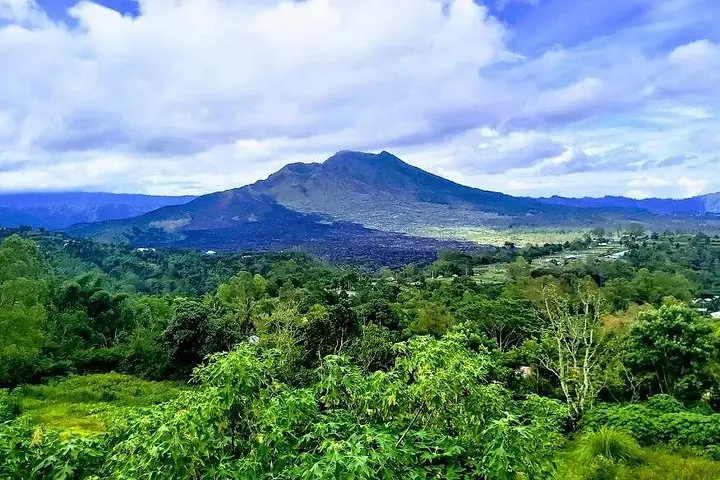
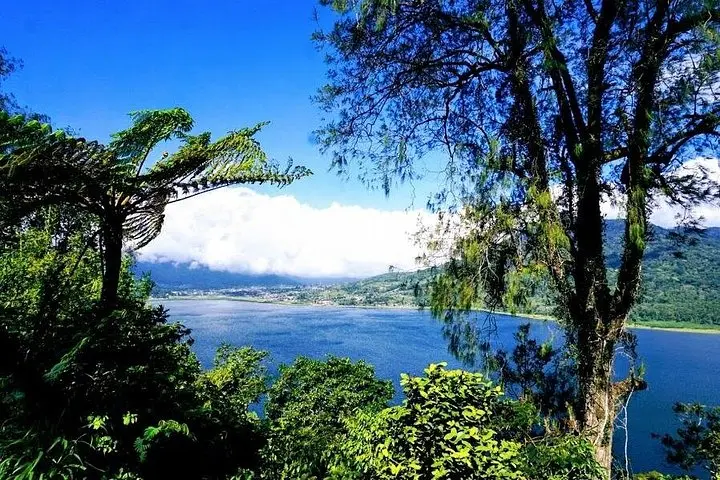
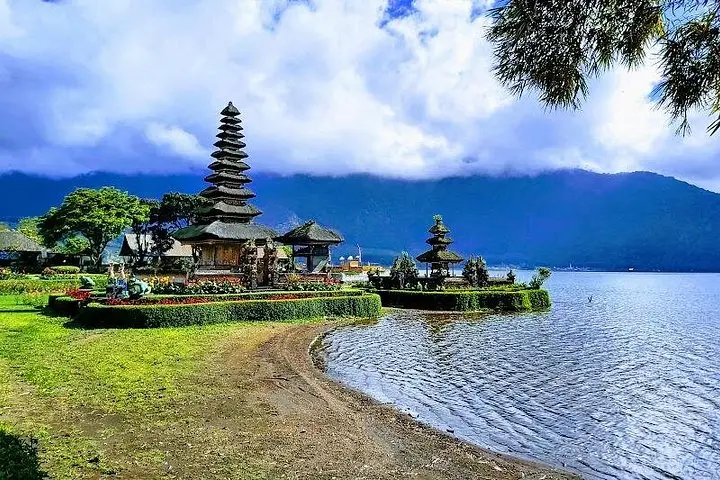
The itinerary leans on Bali’s layered history: Ubud’s reputation as a 20th‑century hub for painters and carvers, Barong and Keris dance performances that dramatize the island’s cosmic moral stories, and the island’s volcanic geology—Mount Batur’s caldera and Lake Batur formed by ancient eruptions, while the twin crater lakes of Buyan and Tamblingan sit like blue lungs in the Bedugul highlands.
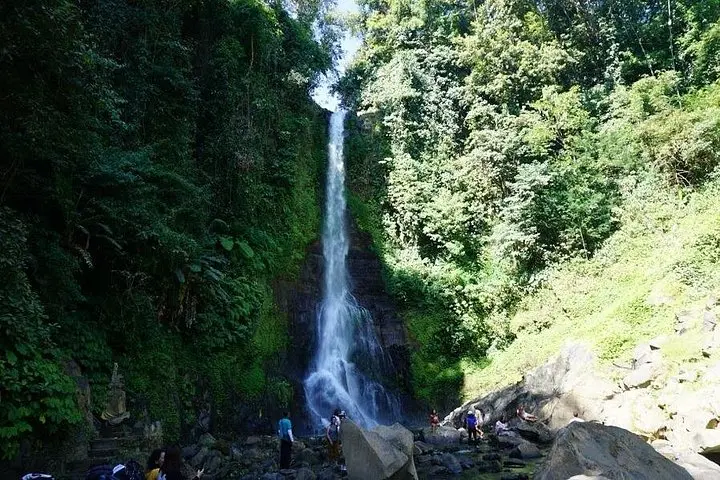
Cultural stops include Celuk and Mas craft villages, Ubud Art Market and Puri Saren Royal Palace, and spiritual sites such as Tirta Empul, a working water temple with ritual purification pools. Northward, expect forested tracks to Gitgit Waterfall (about 35m) and panoramic viewpoints at Kintamani where air cools and cafés line the caldera rim.
Practical guidance: start early to avoid mid-day heat and traffic; temple visits require covered shoulders and a sarong; wear grippy shoes for wet trails at waterfalls; carry local cash for small vendors. Expect easy walking with short stair sections, many photo stops, and a private vehicle handling island roads—useful for travelers who want a compact cultural overview without strenuous hiking.
This is a private tour with a dedicated English‑speaking driver; provide your pickup point and flight details at booking for coordinated transfers.
Infants are allowed but must sit on a lap; the tour is considered physically easy but is not recommended for travelers with serious spinal or cardiovascular conditions.
Shoulders and knees must be covered; sarongs and sashes are often available to rent at entrances if you don’t bring your own.
The route runs year‑round; heavy rain can make some roads and waterfall paths slippery but the operator typically does not cancel for normal wet‑season showers.
Sewa Mobil Bali operates guided outdoor trips and adventures with an emphasis on safety, stewardship, and memorable experiences.
Morning in central Bali begins with the clatter of market stalls, the scent of frangipani and incense, and the steady hum of scooters threading toward Ubud’s narrow streets. This two-day private circuit stitches Ubud’s art villages and markets with upland viewpoints and northern waterfalls—moving from carved-wood workshops to volcanic caldera rims and cooling river gorges.
Morning in central Bali begins with the clatter of market stalls, the scent of frangipani and incense, and the steady hum of scooters threading toward Ubud’s narrow streets. This two-day private circuit stitches Ubud’s art villages and markets with upland viewpoints and northern waterfalls—moving from carved-wood workshops to volcanic caldera rims and cooling river gorges.
The itinerary leans on Bali’s layered history: Ubud’s reputation as a 20th‑century hub for painters and carvers, Barong and Keris dance performances that dramatize the island’s cosmic moral stories, and the island’s volcanic geology—Mount Batur’s caldera and Lake Batur formed by ancient eruptions, while the twin crater lakes of Buyan and Tamblingan sit like blue lungs in the Bedugul highlands.
Cultural stops include Celuk and Mas craft villages, Ubud Art Market and Puri Saren Royal Palace, and spiritual sites such as Tirta Empul, a working water temple with ritual purification pools. Northward, expect forested tracks to Gitgit Waterfall (about 35m) and panoramic viewpoints at Kintamani where air cools and cafés line the caldera rim.
Practical guidance: start early to avoid mid-day heat and traffic; temple visits require covered shoulders and a sarong; wear grippy shoes for wet trails at waterfalls; carry local cash for small vendors. Expect easy walking with short stair sections, many photo stops, and a private vehicle handling island roads—useful for travelers who want a compact cultural overview without strenuous hiking.