THE ADVENTURE COLLECTIVE® · Independent discovery and booking for outdoor travel

Walk through two villages and a virgin forest, camp lakeside at Rewalsar, and visit Padmasambhava Cave on a compact 2-day excursion. Expect 12–14 km of easy-to-moderate walking, simple camp meals, and strong cultural scenery.
Walk through two villages and a virgin forest, camp lakeside at Rewalsar, and visit Padmasambhava Cave on a compact 2-day excursion. Expect 12–14 km of easy-to-moderate walking, simple camp meals, and strong cultural scenery.
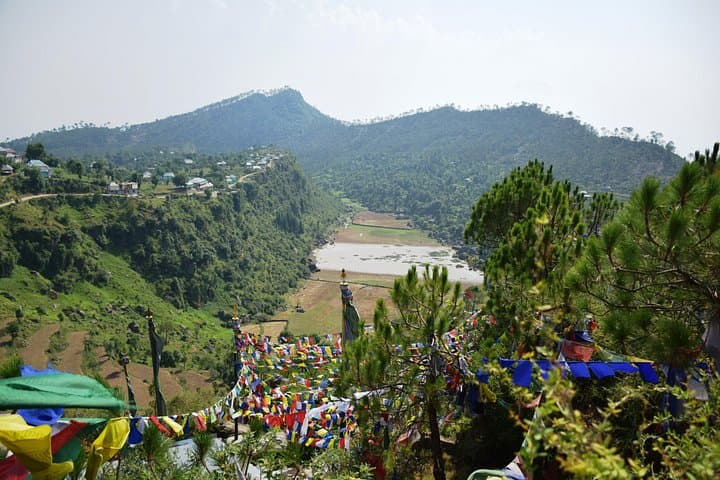
Morning light fractures across the surface of Rewalsar Lake as you step from a narrow road into a quiet stand of virgin forest—pine needles hush your boots and the air smells of damp earth and wood smoke. The itinerary is simple: a short drive uphill from town, a day of walking through two villages and sylvan slopes, then an evening camping by the lake under a high, cold sky.
Verified experiences and guided adventures in the surrounding area.
Operated by Objective India Tours · Rewalsar, Himachal Pradesh
Morning light fractures across the surface of Rewalsar Lake as you step from a narrow road into a quiet stand of virgin forest—pine needles hush your boots and the air smells of damp earth and wood smoke. The itinerary is simple: a short drive uphill from town, a day of walking through two villages and sylvan slopes, then an evening camping by the lake under a high, cold sky.
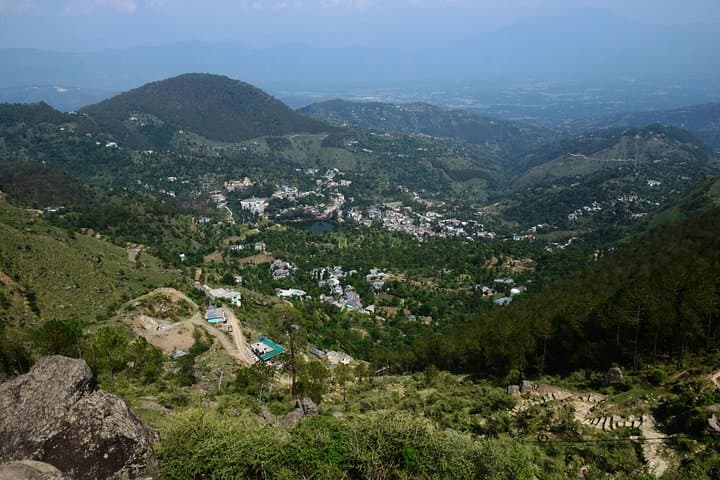
This pocket of Mandi district has layers of history: a Buddhist cave linked to Guru Padmasambhava and a Naina Devi temple that draws local pilgrims. Geologically, the ridge above Rewalsar is typical mid-Himalayan terrain—steep, folded hills with mixed oak, pine and rhododendron; trails are soil and rock, sometimes slick after rain.
Culturally the route visits small village hamlets where terraced fields and prayer flags mark daily life; meals lean vegetarian on the trail with local tea and simple cooked rice-based dinners at camp.
Expect roughly 12–14 km of walking across two days with short climbs and an overall gentle gain—walks are steady rather than technical. Overnight camping is lakeside on basic two-person tents; mornings bring a short walk to Padmasambhava’s cave and a 1.5-hour descent back to Rewalsar.
Practical guidance: time your hike for clear weather, pack warm layers for night, and bring waterproof footwear for muddy sections. Hydrate on the move and carry cash for village purchases—mobile service can be intermittent. The experience is low on technical demand and high on quiet mountain atmosphere.
The program covers roughly 12–14 km over two days; the first day includes the uphill approach and forest walk, the second day includes a short visit to the cave and a 1.5-hour descent to Rewalsar.
Accommodation is basic lakeside camping in two-person tents with communal meals; comforts are modest and suited to an outdoors experience.
Yes—snacks, breakfast, lunch and dinner are included; meals are primarily vegetarian on the route, with non-veg available at extra cost if pre-arranged.
The walking is moderate; children and older adults can participate if comfortable with steady hill walking and basic camping, but inform the operator about special needs.
Objective India Tours operates guided outdoor trips and adventures with an emphasis on safety, stewardship, and memorable experiences.

Morning light fractures across the surface of Rewalsar Lake as you step from a narrow road into a quiet stand of virgin forest—pine needles hush your boots and the air smells of damp earth and wood smoke. The itinerary is simple: a short drive uphill from town, a day of walking through two villages and sylvan slopes, then an evening camping by the lake under a high, cold sky.
Morning light fractures across the surface of Rewalsar Lake as you step from a narrow road into a quiet stand of virgin forest—pine needles hush your boots and the air smells of damp earth and wood smoke. The itinerary is simple: a short drive uphill from town, a day of walking through two villages and sylvan slopes, then an evening camping by the lake under a high, cold sky.
This pocket of Mandi district has layers of history: a Buddhist cave linked to Guru Padmasambhava and a Naina Devi temple that draws local pilgrims. Geologically, the ridge above Rewalsar is typical mid-Himalayan terrain—steep, folded hills with mixed oak, pine and rhododendron; trails are soil and rock, sometimes slick after rain.
Culturally the route visits small village hamlets where terraced fields and prayer flags mark daily life; meals lean vegetarian on the trail with local tea and simple cooked rice-based dinners at camp.
Expect roughly 12–14 km of walking across two days with short climbs and an overall gentle gain—walks are steady rather than technical. Overnight camping is lakeside on basic two-person tents; mornings bring a short walk to Padmasambhava’s cave and a 1.5-hour descent back to Rewalsar.
Practical guidance: time your hike for clear weather, pack warm layers for night, and bring waterproof footwear for muddy sections. Hydrate on the move and carry cash for village purchases—mobile service can be intermittent. The experience is low on technical demand and high on quiet mountain atmosphere.