THE ADVENTURE COLLECTIVE® · Independent discovery and booking for outdoor travel

Swim limestone pools, crest golden dunes, and step into Sur’s living dhow heritage on a fast-moving 2-day loop from Muscat. This desert-and-wadi combo balances immersive scenery with manageable hikes, swims, and camp comfort—ideal for travelers who want Oman’s highlights without the guesswork.
Swim limestone pools, crest golden dunes, and step into Sur’s living dhow heritage on a fast-moving 2-day loop from Muscat. This desert-and-wadi combo balances immersive scenery with manageable hikes, swims, and camp comfort—ideal for travelers who want Oman’s highlights without the guesswork.
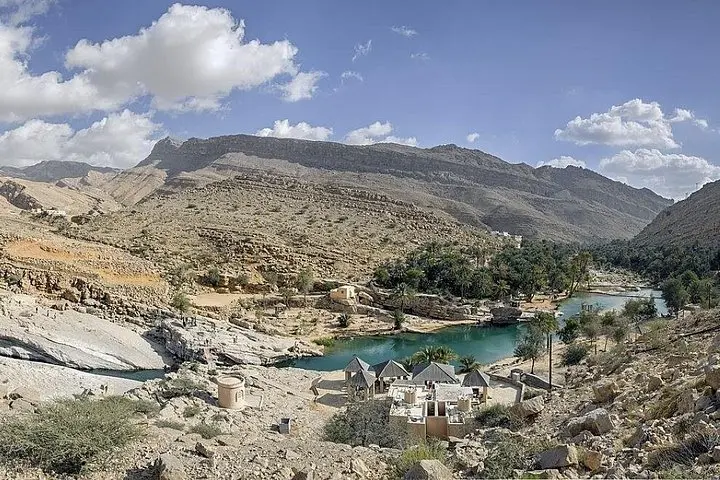
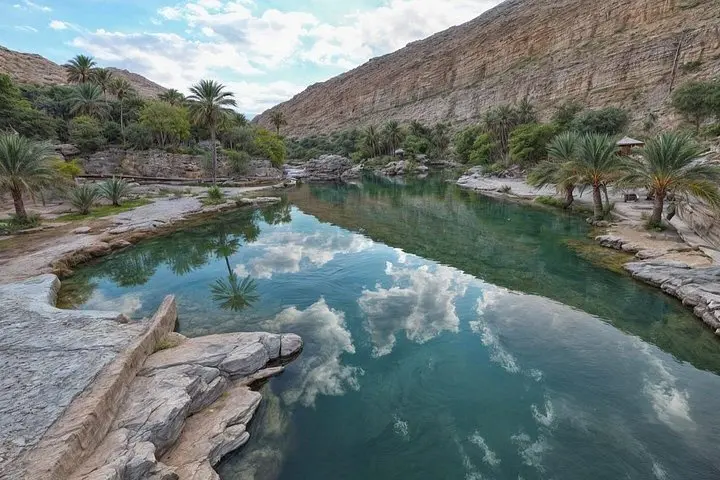
Dawn in Muscat stretches pink over the Gulf of Oman as the 4x4 points east, windows framing a coast road that trades sea glare for mountain shadow. By midmorning, the Hajar’s limestone ribs give way to Wadi Bani Khalid, where clear emerald pools idle beneath date palms. The water calls you in—cool, glassy, and 8–10 meters deep in places—while the canyon’s pale walls lean close, amplifying birdsong and the soft rush of falaj channels. A short, rocky walk rewards with swims that rinse away the road miles and set the tone: Oman likes to make you earn your views, then overdeliver.
Verified experiences and guided adventures in the surrounding area.
Operated by Discover Mazoon Tours Oman · Muscat, Muscat Governorate
Dawn in Muscat stretches pink over the Gulf of Oman as the 4x4 points east, windows framing a coast road that trades sea glare for mountain shadow. By midmorning, the Hajar’s limestone ribs give way to Wadi Bani Khalid, where clear emerald pools idle beneath date palms. The water calls you in—cool, glassy, and 8–10 meters deep in places—while the canyon’s pale walls lean close, amplifying birdsong and the soft rush of falaj channels. A short, rocky walk rewards with swims that rinse away the road miles and set the tone: Oman likes to make you earn your views, then overdeliver.
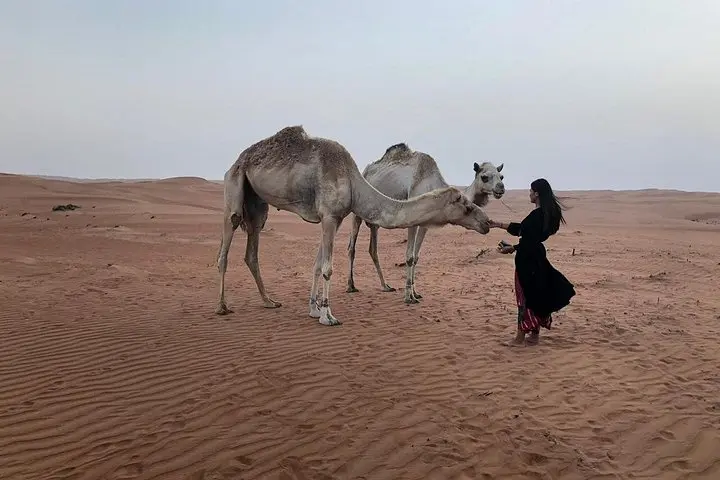
From wadi to desert, the landscape flips. Wahiba Sands rises in long, wind-groomed lines—dunes running north–south under the shamal winds that shape this 12,500-square-kilometer sea of sand. The 4x4 climbs, crests, and slaloms; the dunes nudge you onward, then let you surf their shoulders. As the sun drops, ridgelines catch fire and the desert exhales its heat. Night belongs to star fields and quiet, your desert camp a pool of lantern light in an ocean of dark.
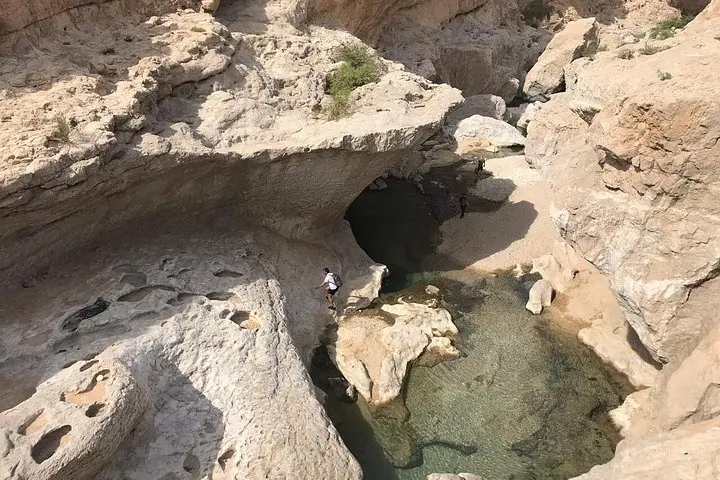
Next morning, tires hum toward Sur, a port where wooden dhow building still stitches the present to the Indian Ocean trade routes. The smell of fresh timber lingers along the yard; hand tools sing their old songs. Farther up the coast, Wadi Shab narrows into a palm-lined gorge. Expect 35–45 minutes of hiking each way on uneven rock and sand (3–4 km one way depending on water levels). Warm pools string through the canyon; the last asks you to swim into a slim cleft where a hidden waterfall whispers behind rock—a small, turquoise-lit secret. Currents here tend to be friendly, but they push forward with purpose.
The coast saves one last flourish: Fins Beach shines white against slabby limestone, then Bimmah Sinkhole drops from the desert like a skylight into turquoise. Geologists call it a collapse above dissolved limestone; you call it a perfect swim. After a final rinse, the road unspools back to Muscat.
Logistics are straightforward: expect 2.5–3 hours Muscat to Wadi Bani Khalid; about an hour onward to the dunes; 2 hours desert to Sur; 45 minutes Sur to Wadi Shab; 25 minutes to Bimmah; and roughly 1.5–2 hours home. Terrain swings from graded highways to soft sand and rocky wadi paths. Bring closed-toe hiking shoes and water shoes, sun protection, and a sense of pace—hydrate early, move steadily, and let Oman’s contrasts do the rest.
Plan for 35–45 minutes each way on a rocky, mostly flat path and 10–20 minutes of optional swimming to reach the cave waterfall.
Swimming is optional. You can enjoy the lower pools or stop short of the cave if you prefer to stay dry.
Round-trip 4x4 transport from Muscat, dune driving, camp accommodation, bottled water, breakfast and dinner, and all taxes/fees are included.
There are restrooms at Wadi Shab’s trailhead and at camp; facilities are limited within the wadis and along dune tracks.
Yes; infant seats are available. Note that Wadi Shab’s hike and swims may be challenging for very young children—parents’ discretion advised.
Choose modest, breathable clothing that covers shoulders and knees; swim attire is best worn under clothes and used discreetly at pools.
Discover Mazoon Tours Oman operates guided outdoor trips and adventures with an emphasis on safety, stewardship, and memorable experiences.
Dawn in Muscat stretches pink over the Gulf of Oman as the 4x4 points east, windows framing a coast road that trades sea glare for mountain shadow. By midmorning, the Hajar’s limestone ribs give way to Wadi Bani Khalid, where clear emerald pools idle beneath date palms. The water calls you in—cool, glassy, and 8–10 meters deep in places—while the canyon’s pale walls lean close, amplifying birdsong and the soft rush of falaj channels. A short, rocky walk rewards with swims that rinse away the road miles and set the tone: Oman likes to make you earn your views, then overdeliver.
Dawn in Muscat stretches pink over the Gulf of Oman as the 4x4 points east, windows framing a coast road that trades sea glare for mountain shadow. By midmorning, the Hajar’s limestone ribs give way to Wadi Bani Khalid, where clear emerald pools idle beneath date palms. The water calls you in—cool, glassy, and 8–10 meters deep in places—while the canyon’s pale walls lean close, amplifying birdsong and the soft rush of falaj channels. A short, rocky walk rewards with swims that rinse away the road miles and set the tone: Oman likes to make you earn your views, then overdeliver.
From wadi to desert, the landscape flips. Wahiba Sands rises in long, wind-groomed lines—dunes running north–south under the shamal winds that shape this 12,500-square-kilometer sea of sand. The 4x4 climbs, crests, and slaloms; the dunes nudge you onward, then let you surf their shoulders. As the sun drops, ridgelines catch fire and the desert exhales its heat. Night belongs to star fields and quiet, your desert camp a pool of lantern light in an ocean of dark.
Next morning, tires hum toward Sur, a port where wooden dhow building still stitches the present to the Indian Ocean trade routes. The smell of fresh timber lingers along the yard; hand tools sing their old songs. Farther up the coast, Wadi Shab narrows into a palm-lined gorge. Expect 35–45 minutes of hiking each way on uneven rock and sand (3–4 km one way depending on water levels). Warm pools string through the canyon; the last asks you to swim into a slim cleft where a hidden waterfall whispers behind rock—a small, turquoise-lit secret. Currents here tend to be friendly, but they push forward with purpose.
The coast saves one last flourish: Fins Beach shines white against slabby limestone, then Bimmah Sinkhole drops from the desert like a skylight into turquoise. Geologists call it a collapse above dissolved limestone; you call it a perfect swim. After a final rinse, the road unspools back to Muscat.
Logistics are straightforward: expect 2.5–3 hours Muscat to Wadi Bani Khalid; about an hour onward to the dunes; 2 hours desert to Sur; 45 minutes Sur to Wadi Shab; 25 minutes to Bimmah; and roughly 1.5–2 hours home. Terrain swings from graded highways to soft sand and rocky wadi paths. Bring closed-toe hiking shoes and water shoes, sun protection, and a sense of pace—hydrate early, move steadily, and let Oman’s contrasts do the rest.