THE ADVENTURE COLLECTIVE® · Independent discovery and booking for outdoor travel

Swap Cairo’s bustle for two days of volcanic hills, chalk formations and desert nights at Bahariya Oasis and the White Desert. This multi-day 4x4 safari combines off-road driving, short walks among surreal rock shapes, and one night of tent camping under expansive stars.
Swap Cairo’s bustle for two days of volcanic hills, chalk formations and desert nights at Bahariya Oasis and the White Desert. This multi-day 4x4 safari combines off-road driving, short walks among surreal rock shapes, and one night of tent camping under expansive stars.
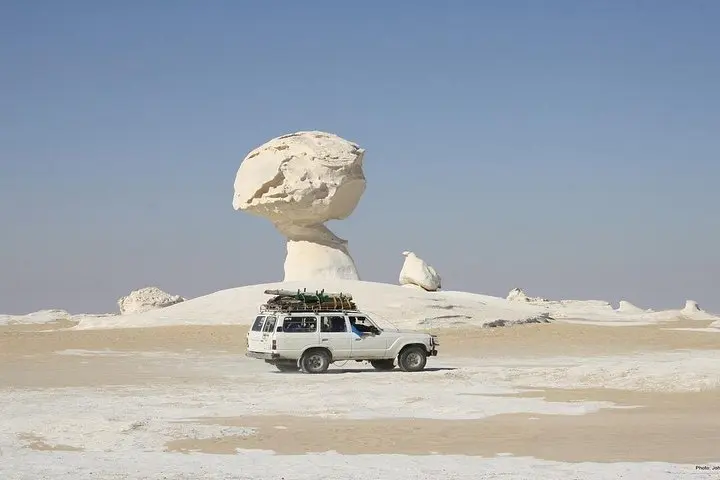
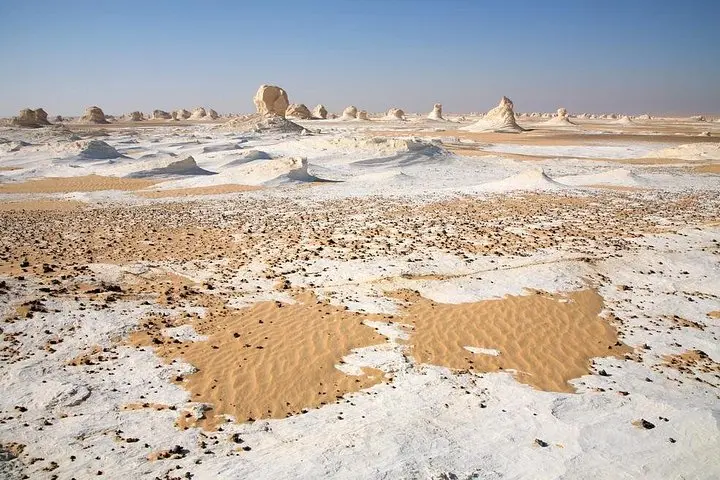
You wake before dawn in Cairo and trade city light for the hush of the Western Desert; the road slides open under an air-conditioned 4x4 as olive-colored scrub gives way to golden plains. By late afternoon the landscape shifts — black volcanic mounds rise like old sentries, then a sweep of chalk-white sculptures appears, eroded into mushroom and tower shapes that catch pink light at sunset.
Verified experiences and guided adventures in the surrounding area.
Operated by Tamer Safari · Bahariya Oasis, Giza Governorate
You wake before dawn in Cairo and trade city light for the hush of the Western Desert; the road slides open under an air-conditioned 4x4 as olive-colored scrub gives way to golden plains. By late afternoon the landscape shifts — black volcanic mounds rise like old sentries, then a sweep of chalk-white sculptures appears, eroded into mushroom and tower shapes that catch pink light at sunset.
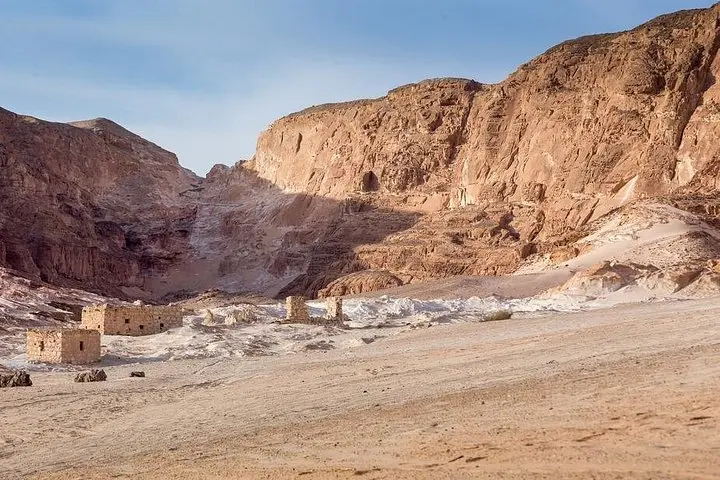
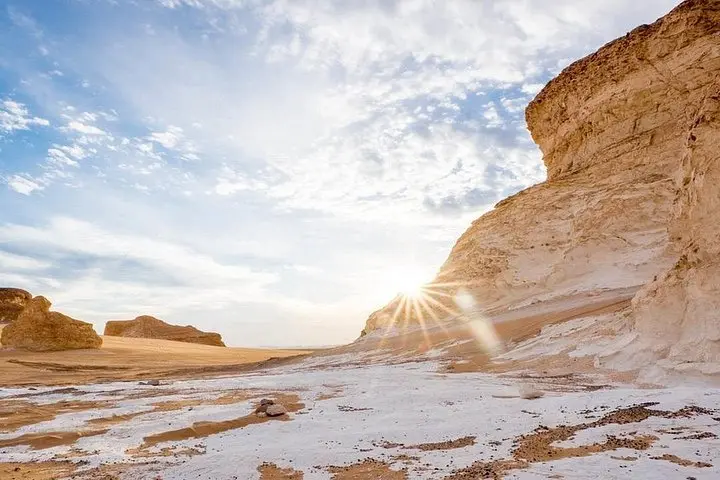
The route follows routes used by Bedouin and modern explorers between Cairo and Bahariya Oasis. Geologically the region records ancient seas, volcanic episodes and relentless wind: the Black Desert’s basalt and iron-rich hills contrast sharply with the White Desert’s wind-carved chalk and limestone. Bedouin culture still informs many stops — a village lunch, stories around the campfire, and simple desert hospitality in canvas tents.
Expect lots of driving (roughly 4–5 hours each way), short guided walks among rock formations, and one night camping in pre-pitched tents on the desert floor. Nights are cold, days can be hot and dusty; bring warm layers, sun protection and a sense of patience for sand and shifting schedules. Guides usually provide bottled water, meals and sleeping kits; photography windows at sunrise and sunset are best.
Practical tip: schedule the trip on clear-sky nights for the best stargazing, and leave fragile formations undisturbed — erosion and human impact both shape this fragile landscape.
Expect roughly 4–5 hours each way by private air‑conditioned vehicle (about 360 km), with stops at Bahariya Oasis and sights en route.
You sleep one night in pre-pitched American-style tents with sleeping bags and basic bedding supplied; facilities are rustic and meal service is provided.
The tour notes stroller and wheelchair accessibility for transfers, but desert terrain can be uneven — check with the operator about specific mobility needs.
Yes — entrance fees to the White Desert and other mentioned sites are included in the tour price.
Tamer Safari operates guided outdoor trips and adventures with an emphasis on safety, stewardship, and memorable experiences.
You wake before dawn in Cairo and trade city light for the hush of the Western Desert; the road slides open under an air-conditioned 4x4 as olive-colored scrub gives way to golden plains. By late afternoon the landscape shifts — black volcanic mounds rise like old sentries, then a sweep of chalk-white sculptures appears, eroded into mushroom and tower shapes that catch pink light at sunset.
You wake before dawn in Cairo and trade city light for the hush of the Western Desert; the road slides open under an air-conditioned 4x4 as olive-colored scrub gives way to golden plains. By late afternoon the landscape shifts — black volcanic mounds rise like old sentries, then a sweep of chalk-white sculptures appears, eroded into mushroom and tower shapes that catch pink light at sunset.
The route follows routes used by Bedouin and modern explorers between Cairo and Bahariya Oasis. Geologically the region records ancient seas, volcanic episodes and relentless wind: the Black Desert’s basalt and iron-rich hills contrast sharply with the White Desert’s wind-carved chalk and limestone. Bedouin culture still informs many stops — a village lunch, stories around the campfire, and simple desert hospitality in canvas tents.
Expect lots of driving (roughly 4–5 hours each way), short guided walks among rock formations, and one night camping in pre-pitched tents on the desert floor. Nights are cold, days can be hot and dusty; bring warm layers, sun protection and a sense of patience for sand and shifting schedules. Guides usually provide bottled water, meals and sleeping kits; photography windows at sunrise and sunset are best.
Practical tip: schedule the trip on clear-sky nights for the best stargazing, and leave fragile formations undisturbed — erosion and human impact both shape this fragile landscape.