THE ADVENTURE COLLECTIVE® · Independent discovery and booking for outdoor travel

A compact two-day loop from Bentota that pairs monumental Buddhist temples with jeep safaris at Bundala and Yala. Expect flamingoes and elephants, hot springs, and outspoken roadside culture—ideal for travelers who want wildlife and heritage in one short trip.
A compact two-day loop from Bentota that pairs monumental Buddhist temples with jeep safaris at Bundala and Yala. Expect flamingoes and elephants, hot springs, and outspoken roadside culture—ideal for travelers who want wildlife and heritage in one short trip.
You step out of a coastal hotel at first light and the air smells of salt and frying coconut—Bentota’s Atlantic breeze nudges you toward an inland horizon where forests and wetlands hold different rhythms. The first day moves from quiet temple courtyards to low-lying lagoons: massive seated Buddhas watch over frescoed tunnels at Weherahena and Wewurukannala, then the road opens into Bundala’s flat salt pans where flamingoes wheel like punctuation marks against shallow water.
Verified experiences and guided adventures in the surrounding area.
Operated by Lakpura LLC · Bentota, Southern Province
You step out of a coastal hotel at first light and the air smells of salt and frying coconut—Bentota’s Atlantic breeze nudges you toward an inland horizon where forests and wetlands hold different rhythms. The first day moves from quiet temple courtyards to low-lying lagoons: massive seated Buddhas watch over frescoed tunnels at Weherahena and Wewurukannala, then the road opens into Bundala’s flat salt pans where flamingoes wheel like punctuation marks against shallow water.
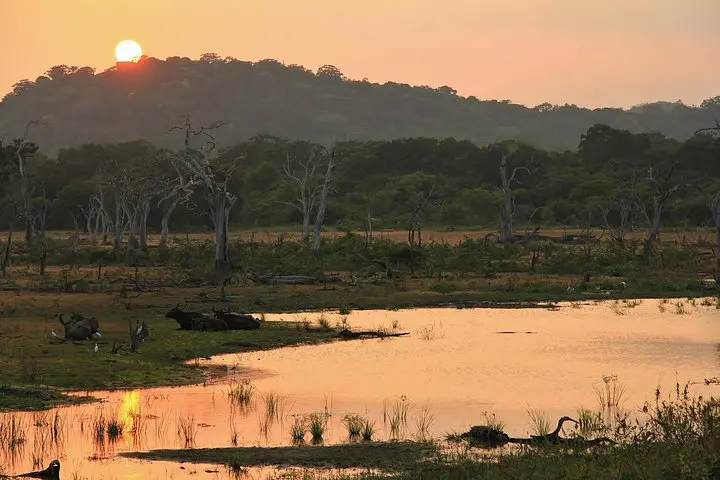
These temples are modern expressions of a long Buddhist tradition; their giant effigies date to the 20th century but sit on a cultural thread reaching back to Anuradhapura. Geologically the route shifts fast—coastal sands give way to ancient metamorphic outcrops and, by Yala, scrublands carved by seasonal water flows that concentrate wildlife in the dry months.
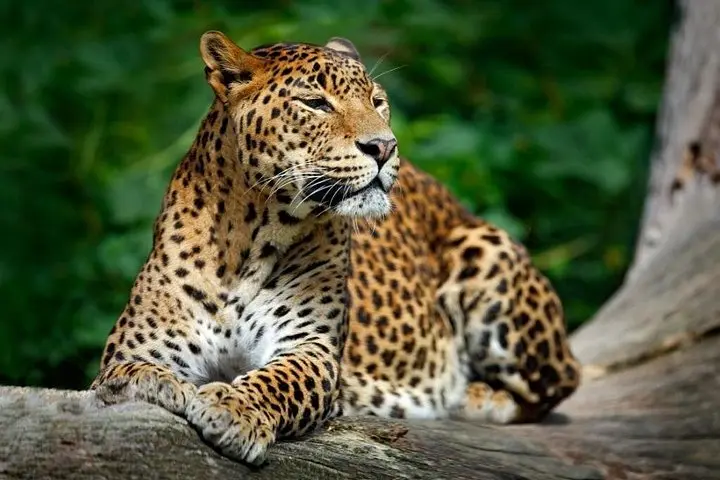
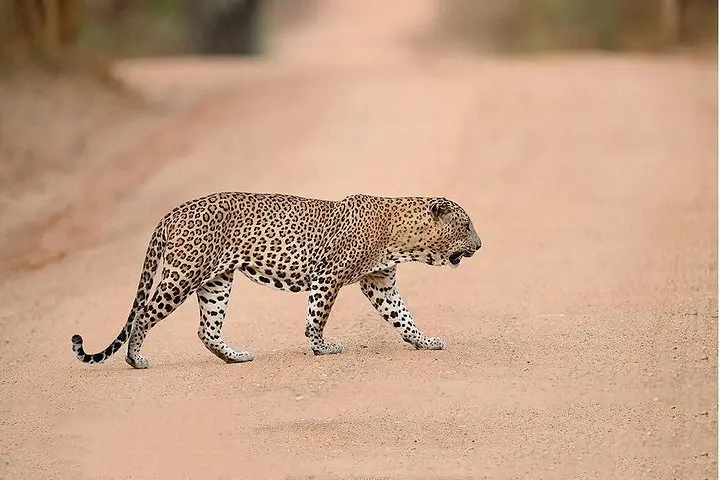
Expect jeep safaris at Bundala and Yala: a guide reads tracks and the landscape answers back—elephants moving between pools, leopards pausing on sun‑warmed rocks. Between wildlife and worship, Madunagala’s hot springs offer a local ritual of cooling and renewal.
Practical edge: this is a driving tour with short walks; dawn and late afternoon safaris increase sightings. Respect temple etiquette—cover shoulders and remove shoes—and keep noise low in parks. Hydrate, wear sturdy shoes for uneven temple steps, and carry binoculars for the birds that make Bundala famous. Plan extra time for camera stops and traffic; local guides handle permits but confirm park fees when you book.
Policies vary by operator—some packages include park entry and jeep permits while others charge them separately; confirm with the tour provider before booking.
Dry months, when animals concentrate around water (roughly February–June), often produce the most consistent sightings, though wildlife is never guaranteed.
Families can join, but expect long vehicle transfers and early starts; infants or travelers with mobility limits should check accessibility and request child seats if needed.
Modest dress is required—cover shoulders and knees, remove footwear before entering shrine rooms, and avoid loud or revealing clothing.
Lakpura LLC operates guided outdoor trips and adventures with an emphasis on safety, stewardship, and memorable experiences.
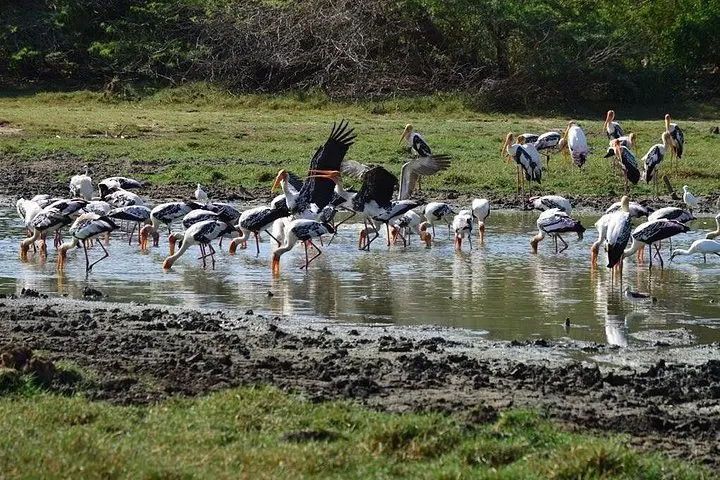
You step out of a coastal hotel at first light and the air smells of salt and frying coconut—Bentota’s Atlantic breeze nudges you toward an inland horizon where forests and wetlands hold different rhythms. The first day moves from quiet temple courtyards to low-lying lagoons: massive seated Buddhas watch over frescoed tunnels at Weherahena and Wewurukannala, then the road opens into Bundala’s flat salt pans where flamingoes wheel like punctuation marks against shallow water.
You step out of a coastal hotel at first light and the air smells of salt and frying coconut—Bentota’s Atlantic breeze nudges you toward an inland horizon where forests and wetlands hold different rhythms. The first day moves from quiet temple courtyards to low-lying lagoons: massive seated Buddhas watch over frescoed tunnels at Weherahena and Wewurukannala, then the road opens into Bundala’s flat salt pans where flamingoes wheel like punctuation marks against shallow water.
These temples are modern expressions of a long Buddhist tradition; their giant effigies date to the 20th century but sit on a cultural thread reaching back to Anuradhapura. Geologically the route shifts fast—coastal sands give way to ancient metamorphic outcrops and, by Yala, scrublands carved by seasonal water flows that concentrate wildlife in the dry months.
Expect jeep safaris at Bundala and Yala: a guide reads tracks and the landscape answers back—elephants moving between pools, leopards pausing on sun‑warmed rocks. Between wildlife and worship, Madunagala’s hot springs offer a local ritual of cooling and renewal.
Practical edge: this is a driving tour with short walks; dawn and late afternoon safaris increase sightings. Respect temple etiquette—cover shoulders and remove shoes—and keep noise low in parks. Hydrate, wear sturdy shoes for uneven temple steps, and carry binoculars for the birds that make Bundala famous. Plan extra time for camera stops and traffic; local guides handle permits but confirm park fees when you book.