THE ADVENTURE COLLECTIVE® · Independent discovery and booking for outdoor travel

Spend two days exploring Lake Mburo’s open woodlands and lakeshores on evening game drives, guided walks or a cycling safari. This short loop from Kampala combines high-probability plains wildlife viewing with a cultural stop at the Uganda Equator.
Spend two days exploring Lake Mburo’s open woodlands and lakeshores on evening game drives, guided walks or a cycling safari. This short loop from Kampala combines high-probability plains wildlife viewing with a cultural stop at the Uganda Equator.
The sun drops low over rolling acacia grasslands as the safari vehicle hums along a dusty track—zebra herds lift their heads and a lone giraffe cranes above the bush. This two-day loop from Kampala or Entebbe delivers close, unhurried encounters with Lake Mburo’s iconic plains and lakeshore habitats.
Verified experiences and guided adventures in the surrounding area.
Operated by Dark Hills Uganda · Mbarara, Western Region
The sun drops low over rolling acacia grasslands as the safari vehicle hums along a dusty track—zebra herds lift their heads and a lone giraffe cranes above the bush. This two-day loop from Kampala or Entebbe delivers close, unhurried encounters with Lake Mburo’s iconic plains and lakeshore habitats.
Lake Mburo sits on Uganda’s midwestern rift margin, a mosaic of shallow lakes, papyrus fringes and open woodland carved from ancient volcanic and sedimentary soils. The park was gazetted in the 1980s to protect its grazing wildlife and raptors; today community lodges and small camps provide the gateway experience. Cultural stops en route include the Uganda Equator line where guides demonstrate small-scale hydrodynamics and local artisans sell crafts.
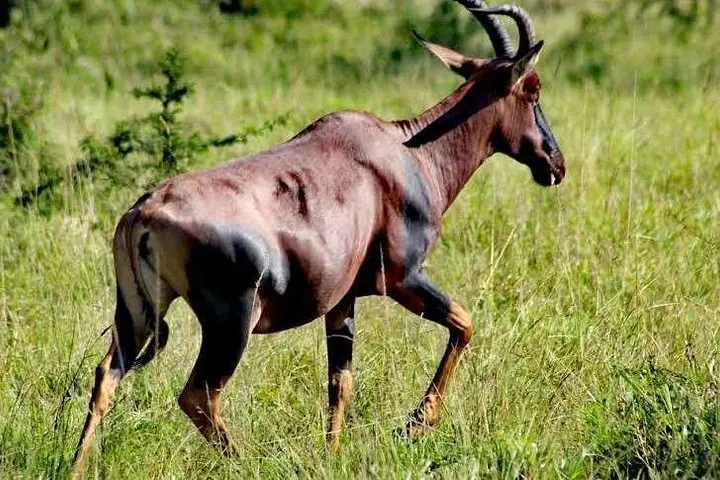
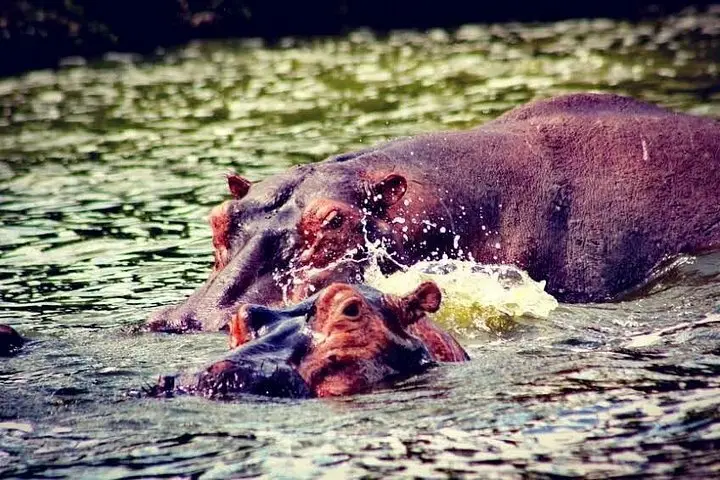
Wildlife viewing centers on plains species—zebra, impala, eland and buffalo—while hippos and waterbirds concentrate near the lake edges. Predators are present but elusive; evening drives and ranger-led walks or bike safaris increase chances of quiet sightings and close photographic moments.
Practically, expect about 4–5 hours’ drive each way from Kampala with a lodge night at a basic camp. Activities mix vehicle game drives, a guided morning walk or cycling safari, and optional boat or shoreline birding. Pack layered clothing, insect protection and a small daypack; early mornings and late afternoons are prime for wildlife and cooler temperatures. The trip suits travelers seeking short, immersive wildlife time without long overland logistics—efficient, intimate, and focused on seeing East African plains life up close.
Expect about 4–5 hours each way depending on traffic and road conditions; most operators include lodge pick-up and drop-off.
Leopards and hyenas are present but sightings are uncommon; evening drives give the best chance but sightings aren't guaranteed.
Cycling is done on designated tracks with a ranger; it’s generally safe but requires basic cycling skill and vigilance around wildlife.
This tour typically includes accommodation, some meals and game drives as listed—confirm specific park entry fees and extras with the operator before booking.
Dark Hills Uganda operates guided outdoor trips and adventures with an emphasis on safety, stewardship, and memorable experiences.
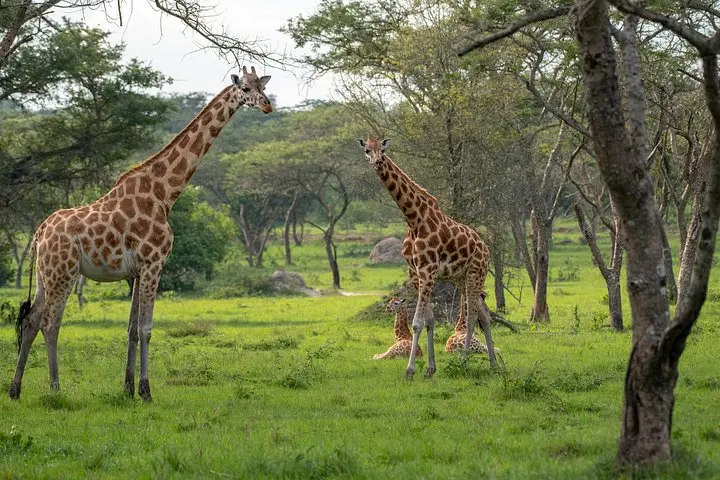
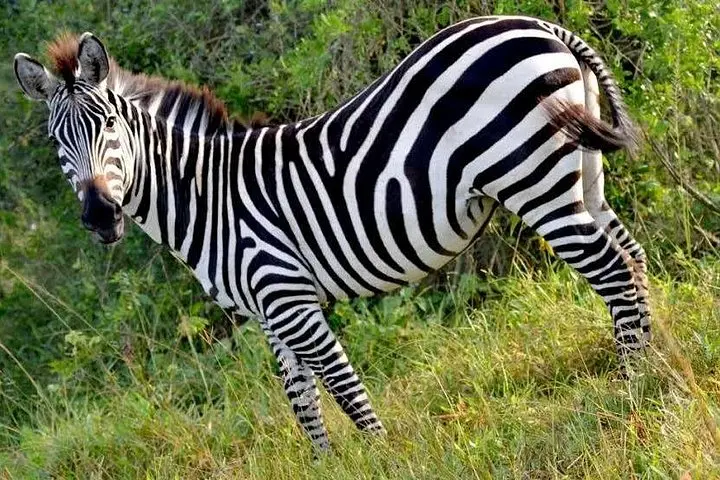
The sun drops low over rolling acacia grasslands as the safari vehicle hums along a dusty track—zebra herds lift their heads and a lone giraffe cranes above the bush. This two-day loop from Kampala or Entebbe delivers close, unhurried encounters with Lake Mburo’s iconic plains and lakeshore habitats.
The sun drops low over rolling acacia grasslands as the safari vehicle hums along a dusty track—zebra herds lift their heads and a lone giraffe cranes above the bush. This two-day loop from Kampala or Entebbe delivers close, unhurried encounters with Lake Mburo’s iconic plains and lakeshore habitats.
Lake Mburo sits on Uganda’s midwestern rift margin, a mosaic of shallow lakes, papyrus fringes and open woodland carved from ancient volcanic and sedimentary soils. The park was gazetted in the 1980s to protect its grazing wildlife and raptors; today community lodges and small camps provide the gateway experience. Cultural stops en route include the Uganda Equator line where guides demonstrate small-scale hydrodynamics and local artisans sell crafts.
Wildlife viewing centers on plains species—zebra, impala, eland and buffalo—while hippos and waterbirds concentrate near the lake edges. Predators are present but elusive; evening drives and ranger-led walks or bike safaris increase chances of quiet sightings and close photographic moments.
Practically, expect about 4–5 hours’ drive each way from Kampala with a lodge night at a basic camp. Activities mix vehicle game drives, a guided morning walk or cycling safari, and optional boat or shoreline birding. Pack layered clothing, insect protection and a small daypack; early mornings and late afternoons are prime for wildlife and cooler temperatures. The trip suits travelers seeking short, immersive wildlife time without long overland logistics—efficient, intimate, and focused on seeing East African plains life up close.