THE ADVENTURE COLLECTIVE® · Independent discovery and booking for outdoor travel

Watch sunrise from Borobudur, explore Prambanan’s 9th-century towers, and traverse Merapi’s lava fields on a two-day Yogyakarta circuit. This compact trip blends monumental history, village life, and adrenaline on a jeep route.
Watch sunrise from Borobudur, explore Prambanan’s 9th-century towers, and traverse Merapi’s lava fields on a two-day Yogyakarta circuit. This compact trip blends monumental history, village life, and adrenaline on a jeep route.
You arrive before dawn and the air tastes of ash and coffee—volcano silhouettes cut into a slow blue light while Borobudur’s stupas slowly pick up color. Standing on Arupadhatu’s highest terrace, the temple seems to pull the horizon toward itself; the first rays reveal reliefs worn by a thousand years of rain and ceremony.
Verified experiences and guided adventures in the surrounding area.
Operated by Travel e · Yogyakarta, Special Region of Yogyakarta
You arrive before dawn and the air tastes of ash and coffee—volcano silhouettes cut into a slow blue light while Borobudur’s stupas slowly pick up color. Standing on Arupadhatu’s highest terrace, the temple seems to pull the horizon toward itself; the first rays reveal reliefs worn by a thousand years of rain and ceremony.
This two-day itinerary pairs ancient monuments and living Javanese culture: Borobudur, carved in the 8th–9th century by the Sailendra dynasty, owes its bulk to volcanic stone and a tectonic landscape that keeps Merapi active to the north. Prambanan, a 9th-century Hindu complex, showcases the Trimurti in high-relief pyramidal towers. Between monuments you’ll ride a horse-drawn carriage through Candirejo village, meet artisans in Kota Gede silver quarters, and take a Merapi jeep route across hardened lava and evacuation bunkers—plain reminders of the volcano’s recent eruptions.
Expect short, sometimes steep temple stairs, dusty village lanes, and a jeep track that jostles more than a paved road. Guides usually include sunrise entry for Borobudur, air-conditioned transfers, breakfast and lunches, and hotel options in central Yogyakarta. Practical tips: book sunrise slots early, carry cash for small purchases, wear closed shoes for temple steps and volcanic terrain, and bring a lightweight rain jacket in the monsoon months. Pace the schedule—temples are best seen slowly—and leave space for tea with local villagers. This trip is about cultural layers as much as landscape: history beneath your feet, and a living community beside it.
Most itineraries include standard admission for Borobudur sunrise and Prambanan as listed—confirm when booking to avoid surprises.
The package typically offers pickup from Yogyakarta hotels; you’ll provide arrival details at booking for coordinated transfer times.
The jeep route is off-road and bumpy; it’s suitable for most travelers but not recommended for people with serious back or heart conditions.
Visa requirements depend on nationality—check Indonesia’s entry rules before travel and ensure your passport has required validity.
Travel e operates guided outdoor trips and adventures with an emphasis on safety, stewardship, and memorable experiences.

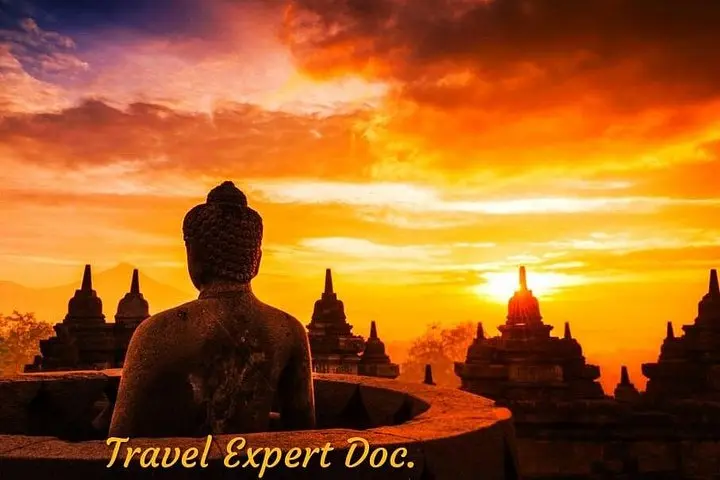
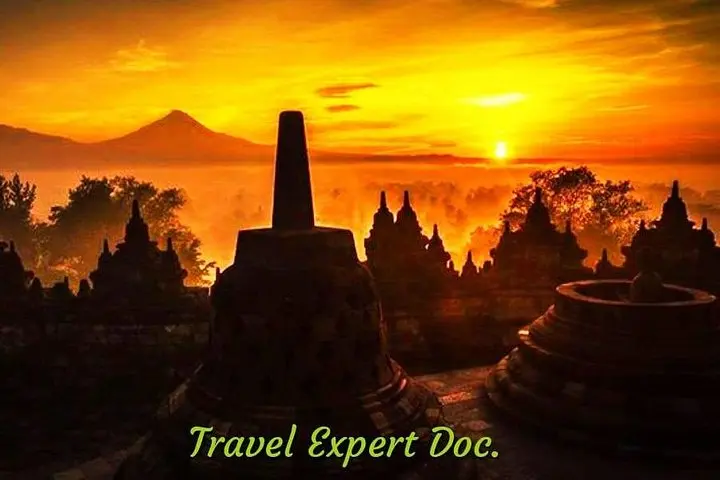
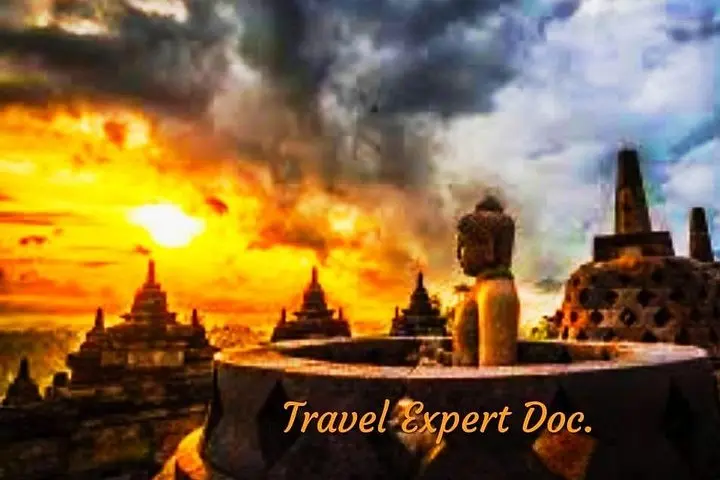
You arrive before dawn and the air tastes of ash and coffee—volcano silhouettes cut into a slow blue light while Borobudur’s stupas slowly pick up color. Standing on Arupadhatu’s highest terrace, the temple seems to pull the horizon toward itself; the first rays reveal reliefs worn by a thousand years of rain and ceremony.
You arrive before dawn and the air tastes of ash and coffee—volcano silhouettes cut into a slow blue light while Borobudur’s stupas slowly pick up color. Standing on Arupadhatu’s highest terrace, the temple seems to pull the horizon toward itself; the first rays reveal reliefs worn by a thousand years of rain and ceremony.
This two-day itinerary pairs ancient monuments and living Javanese culture: Borobudur, carved in the 8th–9th century by the Sailendra dynasty, owes its bulk to volcanic stone and a tectonic landscape that keeps Merapi active to the north. Prambanan, a 9th-century Hindu complex, showcases the Trimurti in high-relief pyramidal towers. Between monuments you’ll ride a horse-drawn carriage through Candirejo village, meet artisans in Kota Gede silver quarters, and take a Merapi jeep route across hardened lava and evacuation bunkers—plain reminders of the volcano’s recent eruptions.
Expect short, sometimes steep temple stairs, dusty village lanes, and a jeep track that jostles more than a paved road. Guides usually include sunrise entry for Borobudur, air-conditioned transfers, breakfast and lunches, and hotel options in central Yogyakarta. Practical tips: book sunrise slots early, carry cash for small purchases, wear closed shoes for temple steps and volcanic terrain, and bring a lightweight rain jacket in the monsoon months. Pace the schedule—temples are best seen slowly—and leave space for tea with local villagers. This trip is about cultural layers as much as landscape: history beneath your feet, and a living community beside it.