THE ADVENTURE COLLECTIVE® · Independent discovery and booking for outdoor travel

Cross the High Atlas, explore the mud-brick lanes of Aït Ben Haddou, then ride camels into Zagora’s dunes for sunset and a night under the stars. This two-day loop packs Morocco’s southern highlights into an accessible desert introduction.
Cross the High Atlas, explore the mud-brick lanes of Aït Ben Haddou, then ride camels into Zagora’s dunes for sunset and a night under the stars. This two-day loop packs Morocco’s southern highlights into an accessible desert introduction.
The sun drops like warm coin behind the low dunes as a single-file line of camels pads toward a desert camp; the air cools and the sand exhales the day’s heat. On this compact two-day route from Marrakech, travelers cross the High Atlas via the hairpin Tizi n’Tichka Pass, pass the UNESCO ksar of Aït Ben Haddou, and follow the palm-lined Draa Valley into Zagora’s quieter dunes.
Verified experiences and guided adventures in the surrounding area.
Operated by Morocco Trip Experience · Zagora, Drâa-Tafilalet
The sun drops like warm coin behind the low dunes as a single-file line of camels pads toward a desert camp; the air cools and the sand exhales the day’s heat. On this compact two-day route from Marrakech, travelers cross the High Atlas via the hairpin Tizi n’Tichka Pass, pass the UNESCO ksar of Aït Ben Haddou, and follow the palm-lined Draa Valley into Zagora’s quieter dunes.
Geology here reads like a slow-motion story: folded, volcanic High Atlas ranges give way to alluvial plains and wind-sculpted ergs where sand and stone trade places over millennia. Aït Ben Haddou preserves mud-brick architecture and the legacy of trans-Saharan trade—its granaries and defensive towers recall a time when caravans threaded these routes.
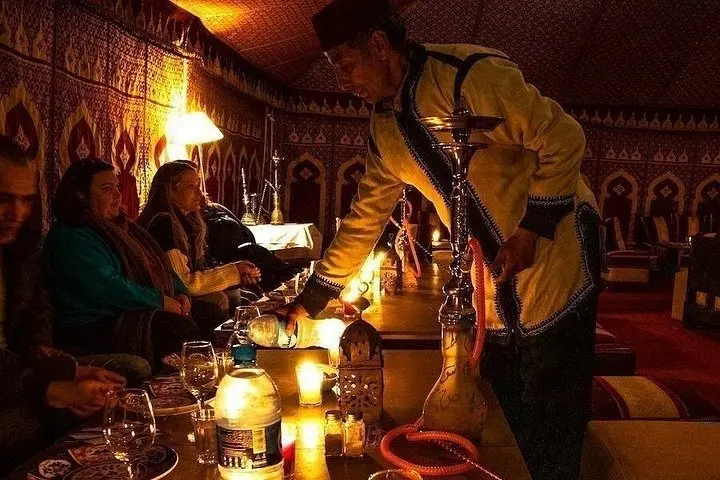
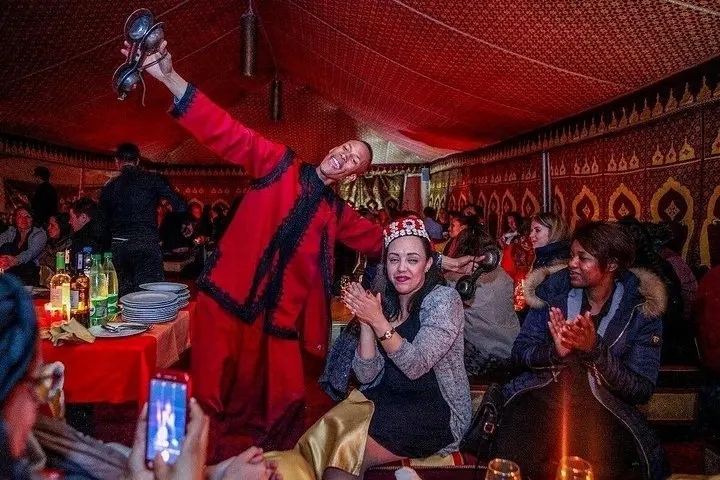
Cultural notes matter: hosts at desert camps often offer tagine, mint tea, and live Berber music; local guides are typically Berber and share practical desert knowledge. Expect simple camp facilities—sleeping under canvas and stargazing unmarred by city light.
Practical guidance: plan for long driving stretches (roughly 6–8 hours total each way including stops), bring layered clothing for hot days and cold nights, and protect skin and eyes from sun and reflective sand. Camel rides are slow and steady but require balance—ask for briefings and mount with attendants. Hydration, sun protection, and a small daypack for valuables make the trip more comfortable. For photographers, sunrise camel rides deliver soft directional light; for quieter reflection, walk the dune edges before breakfast. This two-day itinerary condenses iconic southern Morocco into an accessible, well-paced introduction to the Sahara.
The tour typically includes round-trip transport from Marrakech, overnight desert camp accommodation, dinner and breakfast, camel rides, and a professional driver/guide as listed on the booking page.
Yes—camel handlers assist mounting and dismounting and rides are steady; disclose mobility issues and follow attendants’ instructions to reduce strain.
Expect extended driving segments across the High Atlas and Draa Valley; total transit time is several hours each day with planned stops for sightseeing and breaks.
Infants are permitted but must sit on laps; the tour notes infant seats available—check with the operator about suitability for very young children.
Morocco Trip Experience operates guided outdoor trips and adventures with an emphasis on safety, stewardship, and memorable experiences.
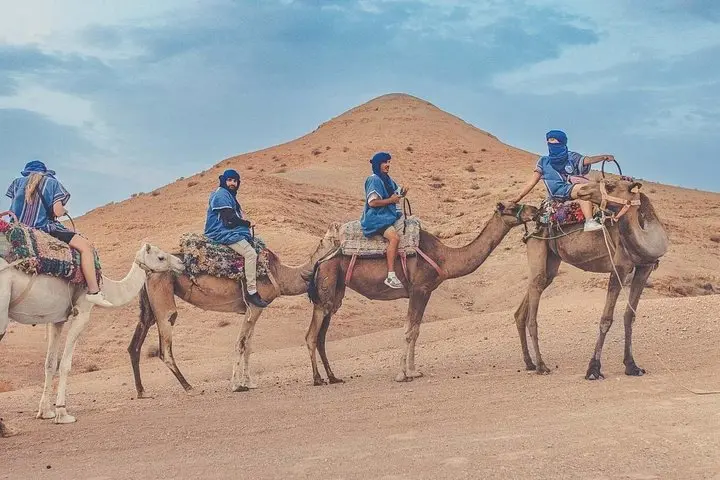
The sun drops like warm coin behind the low dunes as a single-file line of camels pads toward a desert camp; the air cools and the sand exhales the day’s heat. On this compact two-day route from Marrakech, travelers cross the High Atlas via the hairpin Tizi n’Tichka Pass, pass the UNESCO ksar of Aït Ben Haddou, and follow the palm-lined Draa Valley into Zagora’s quieter dunes.
The sun drops like warm coin behind the low dunes as a single-file line of camels pads toward a desert camp; the air cools and the sand exhales the day’s heat. On this compact two-day route from Marrakech, travelers cross the High Atlas via the hairpin Tizi n’Tichka Pass, pass the UNESCO ksar of Aït Ben Haddou, and follow the palm-lined Draa Valley into Zagora’s quieter dunes.
Geology here reads like a slow-motion story: folded, volcanic High Atlas ranges give way to alluvial plains and wind-sculpted ergs where sand and stone trade places over millennia. Aït Ben Haddou preserves mud-brick architecture and the legacy of trans-Saharan trade—its granaries and defensive towers recall a time when caravans threaded these routes.
Cultural notes matter: hosts at desert camps often offer tagine, mint tea, and live Berber music; local guides are typically Berber and share practical desert knowledge. Expect simple camp facilities—sleeping under canvas and stargazing unmarred by city light.
Practical guidance: plan for long driving stretches (roughly 6–8 hours total each way including stops), bring layered clothing for hot days and cold nights, and protect skin and eyes from sun and reflective sand. Camel rides are slow and steady but require balance—ask for briefings and mount with attendants. Hydration, sun protection, and a small daypack for valuables make the trip more comfortable. For photographers, sunrise camel rides deliver soft directional light; for quieter reflection, walk the dune edges before breakfast. This two-day itinerary condenses iconic southern Morocco into an accessible, well-paced introduction to the Sahara.