THE ADVENTURE COLLECTIVE® · Independent discovery and booking for outdoor travel

Cross the High Atlas into the palm-lined Draa Valley and sleep in a Zagora desert camp after a sunset camel ride. This two-day loop pairs UNESCO kasbahs, Atlas film studios and a night beneath the desert sky.
Cross the High Atlas into the palm-lined Draa Valley and sleep in a Zagora desert camp after a sunset camel ride. This two-day loop pairs UNESCO kasbahs, Atlas film studios and a night beneath the desert sky.
The sun has just tipped over the High Atlas and the road out of Marrakech climbs toward Tizi n’Tichka, where wind and rock trade stories in the pass. By mid-afternoon the landscape changes from terraced olive groves to the long, linear palms of the Draa Valley and then to the ochre silence of Zagora’s dunes. This two-day route stitches together mountain geology, caravan-era kasbahs and a night under desert stars.
Verified experiences and guided adventures in the surrounding area.
Operated by Said Benabbou · Zagora, Drâa-Tafilalet
The sun has just tipped over the High Atlas and the road out of Marrakech climbs toward Tizi n’Tichka, where wind and rock trade stories in the pass. By mid-afternoon the landscape changes from terraced olive groves to the long, linear palms of the Draa Valley and then to the ochre silence of Zagora’s dunes. This two-day route stitches together mountain geology, caravan-era kasbahs and a night under desert stars.
Geology and history arrive together here: the High Atlas is young, uplifted by tectonic forces that force winter snow into meltwater for the palm oases below. Ait Benhaddou and Taourirt Kasbah are compact examples of southern Moroccan earthen architecture — rammed clay and straw optimized for heat and defense — and both have stood as trade and film locations for centuries.
Culture on this trip is tactile: shared tagine, Berber rhythms by the fire, and camel tracks that recall old caravan lines. Ouarzazate’s Atlas Studios demonstrates how the landscape doubles as a global film set, while local guides translate place names and stories.
Practical guidance: expect long drives (6–8 hours combined over two days), a moderate altitude pass at Tizi n’Tichka (~2,260 m), and evening desert temperatures that drop sharply. Pack layered clothing, sun protection, sturdy shoes, and reusable water. Reserve hotel pickup and confirm camel-ride timing; the camel approach to camp is roughly one hour each way. Bring small cash for entrance fees, tips and market purchases. With basic preparation, the trip balances cultural stops, dramatic geology and an uncomplicated overnight in a desert camp — a concentrated window into southern Morocco’s landscape and traditions.
Yes; camel rides to the camp are gentle and guided — expect about one hour each way with handlers supervising mounting and dismounting.
Standard travel insurance that covers medical evacuation is recommended; check routine vaccinations and consult health advice for Morocco before travel.
The tour description notes free time to explore but does not guarantee paid entrance fees — bring local currency for site admissions and optional guided visits.
Private hotel pickup in Marrakech is included; confirm your exact pickup point and time during booking and provide accurate flight or arrival details if applicable.
Said Benabbou operates guided outdoor trips and adventures with an emphasis on safety, stewardship, and memorable experiences.
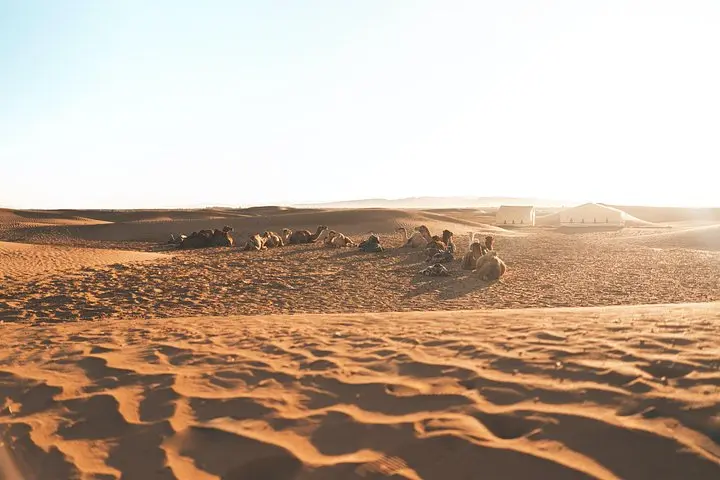
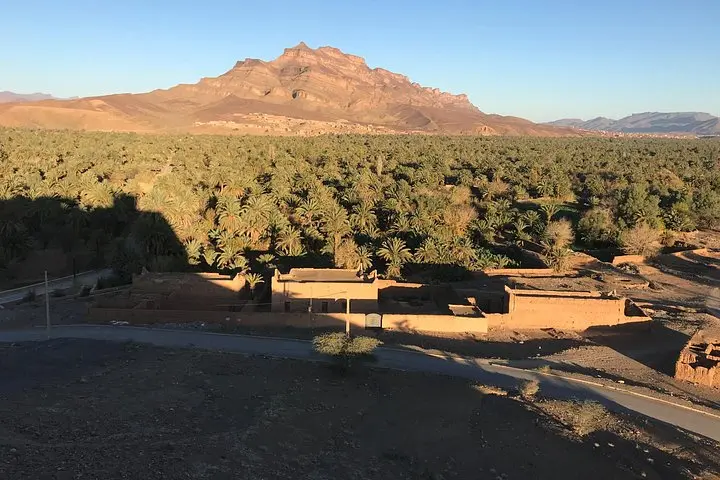
The sun has just tipped over the High Atlas and the road out of Marrakech climbs toward Tizi n’Tichka, where wind and rock trade stories in the pass. By mid-afternoon the landscape changes from terraced olive groves to the long, linear palms of the Draa Valley and then to the ochre silence of Zagora’s dunes. This two-day route stitches together mountain geology, caravan-era kasbahs and a night under desert stars.
The sun has just tipped over the High Atlas and the road out of Marrakech climbs toward Tizi n’Tichka, where wind and rock trade stories in the pass. By mid-afternoon the landscape changes from terraced olive groves to the long, linear palms of the Draa Valley and then to the ochre silence of Zagora’s dunes. This two-day route stitches together mountain geology, caravan-era kasbahs and a night under desert stars.
Geology and history arrive together here: the High Atlas is young, uplifted by tectonic forces that force winter snow into meltwater for the palm oases below. Ait Benhaddou and Taourirt Kasbah are compact examples of southern Moroccan earthen architecture — rammed clay and straw optimized for heat and defense — and both have stood as trade and film locations for centuries.
Culture on this trip is tactile: shared tagine, Berber rhythms by the fire, and camel tracks that recall old caravan lines. Ouarzazate’s Atlas Studios demonstrates how the landscape doubles as a global film set, while local guides translate place names and stories.
Practical guidance: expect long drives (6–8 hours combined over two days), a moderate altitude pass at Tizi n’Tichka (~2,260 m), and evening desert temperatures that drop sharply. Pack layered clothing, sun protection, sturdy shoes, and reusable water. Reserve hotel pickup and confirm camel-ride timing; the camel approach to camp is roughly one hour each way. Bring small cash for entrance fees, tips and market purchases. With basic preparation, the trip balances cultural stops, dramatic geology and an uncomplicated overnight in a desert camp — a concentrated window into southern Morocco’s landscape and traditions.