THE ADVENTURE COLLECTIVE® · Independent discovery and booking for outdoor travel

Experience a two-hour guided camel trek across Djerba Lagoon, passing prickly-pear lined tracks and small Berber villages. Ideal for beginners and experienced riders, the ride includes hotel pickup and a slow, scenic route that highlights the island’s coastal ecology and living traditions.
Experience a two-hour guided camel trek across Djerba Lagoon, passing prickly-pear lined tracks and small Berber villages. Ideal for beginners and experienced riders, the ride includes hotel pickup and a slow, scenic route that highlights the island’s coastal ecology and living traditions.
The sun sits low over shallow salt flats as a caravan of camels steps out from the park into the lagoon’s rim — slow, deliberate, and patient. Riders settle into padded saddles while the guide calls directions in French or Arabic; the animals plod along tracks lined with prickly pear and aloe vera, the lagoon stretching to one side and low, whitewashed Berber homes to the other.
Verified experiences and guided adventures in the surrounding area.
Operated by SAHARANSKY · Houmt Souk, Medenine
The sun sits low over shallow salt flats as a caravan of camels steps out from the park into the lagoon’s rim — slow, deliberate, and patient. Riders settle into padded saddles while the guide calls directions in French or Arabic; the animals plod along tracks lined with prickly pear and aloe vera, the lagoon stretching to one side and low, whitewashed Berber homes to the other.
Djerba has been a crossroads of Mediterranean cultures for millennia: Phoenicians, Romans and later Arab traders all left traces here. The island’s geology is largely flat limestone and coastal marsh, which creates the wide shallow lagoon that feeds seasonal bird migrations and supports traditional salt harvesting. Local villages around the lagoon still practice crafts like pottery and olive farming — a cultural backdrop to the slow rhythm of camel travel.
This two-hour experience is led by professional handlers and can be tailored for beginners or experienced riders. Expect gentle pacing, brief stops for photos and short walks through village lanes. Pickup and drop-off from Djerba hotels is usually included; groups are small (shared tours up to ~15). Practical advice: wear closed-toe shoes, sun protection and carry water; balance and a steady core help, but no technical riding skills are required. Operators commonly ask about mobility and age — infants must sit on laps. Weather can influence schedules; mornings and late afternoons offer cooler light and calmer winds. The ride is as much cultural observation as motion — nature nudges you forward, villages watch quietly, and the camel’s steady gait sets the pace.
No — the ride is designed for beginners and experienced riders; guides adjust pace and mount/dismount assistance is provided.
Yes — infants must sit on an adult’s lap; check operator policies for minimum ages and weight limits before booking.
Most bookings include hotel pickup and drop-off from Djerba-area hotels; public transport options exist but confirm pickup details when you book.
Tours may be canceled or rescheduled due to bad weather; the operator’s policy notes that bookings can be canceled if conditions are unsafe.
SAHARANSKY operates guided outdoor trips and adventures with an emphasis on safety, stewardship, and memorable experiences.
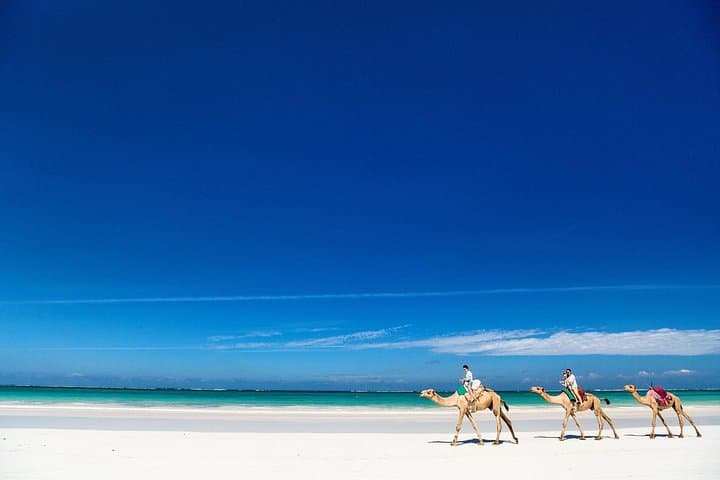
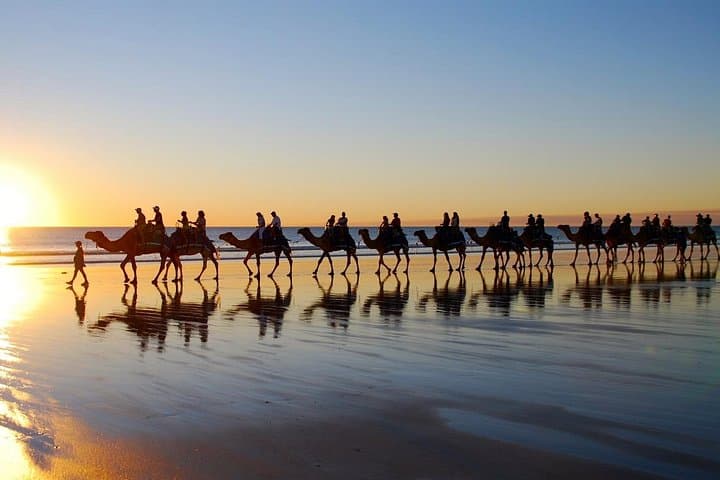
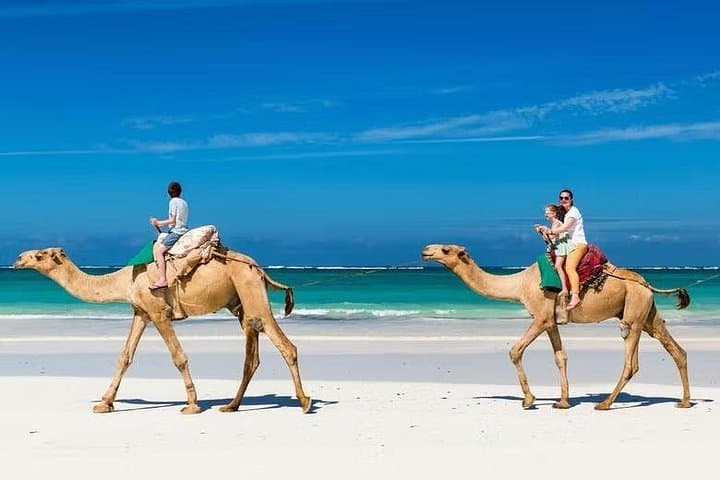
The sun sits low over shallow salt flats as a caravan of camels steps out from the park into the lagoon’s rim — slow, deliberate, and patient. Riders settle into padded saddles while the guide calls directions in French or Arabic; the animals plod along tracks lined with prickly pear and aloe vera, the lagoon stretching to one side and low, whitewashed Berber homes to the other.
The sun sits low over shallow salt flats as a caravan of camels steps out from the park into the lagoon’s rim — slow, deliberate, and patient. Riders settle into padded saddles while the guide calls directions in French or Arabic; the animals plod along tracks lined with prickly pear and aloe vera, the lagoon stretching to one side and low, whitewashed Berber homes to the other.
Djerba has been a crossroads of Mediterranean cultures for millennia: Phoenicians, Romans and later Arab traders all left traces here. The island’s geology is largely flat limestone and coastal marsh, which creates the wide shallow lagoon that feeds seasonal bird migrations and supports traditional salt harvesting. Local villages around the lagoon still practice crafts like pottery and olive farming — a cultural backdrop to the slow rhythm of camel travel.
This two-hour experience is led by professional handlers and can be tailored for beginners or experienced riders. Expect gentle pacing, brief stops for photos and short walks through village lanes. Pickup and drop-off from Djerba hotels is usually included; groups are small (shared tours up to ~15). Practical advice: wear closed-toe shoes, sun protection and carry water; balance and a steady core help, but no technical riding skills are required. Operators commonly ask about mobility and age — infants must sit on laps. Weather can influence schedules; mornings and late afternoons offer cooler light and calmer winds. The ride is as much cultural observation as motion — nature nudges you forward, villages watch quietly, and the camel’s steady gait sets the pace.