THE ADVENTURE COLLECTIVE® · Independent discovery and booking for outdoor travel

Glide into the shallow labyrinth of the 10,000 Islands on a two-hour cruise that mixes dolphin encounters, shorebird viewing, and a shell-strewn stop on an uninhabited beach. A Florida Master Naturalist leads the trip, making it a fast, wildlife-rich introduction to Southwest Florida’s fragile coast.
Glide into the shallow labyrinth of the 10,000 Islands on a two-hour cruise that mixes dolphin encounters, shorebird viewing, and a shell-strewn stop on an uninhabited beach. A Florida Master Naturalist leads the trip, making it a fast, wildlife-rich introduction to Southwest Florida’s fragile coast.
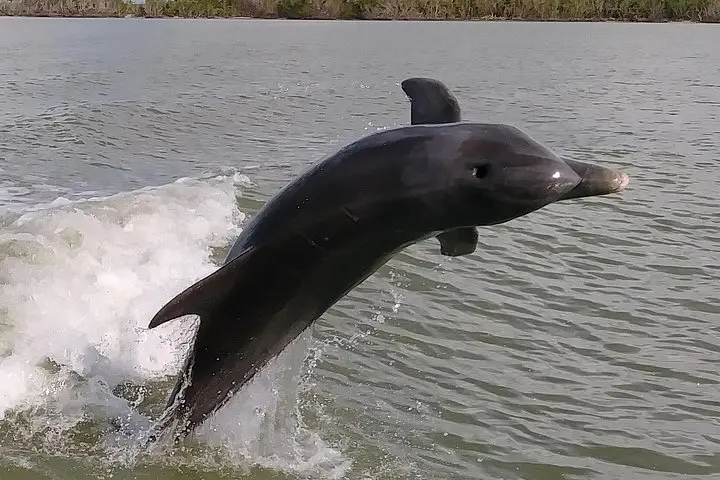
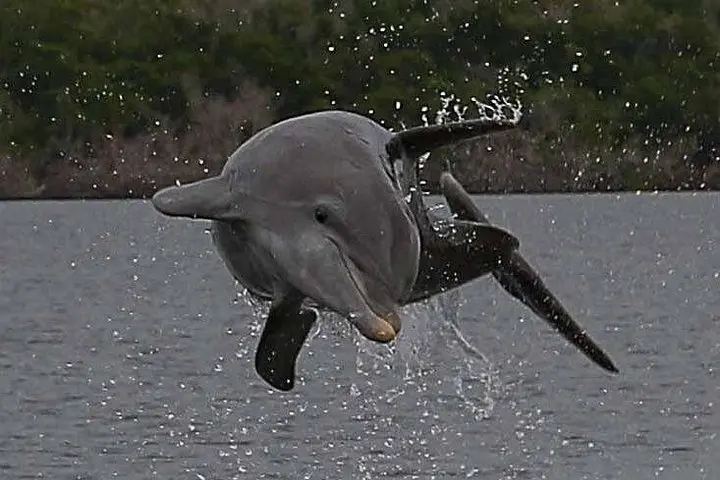
The boat slips quietly away from the shaded pavilion, the engine a steady whisper beneath gulls calling overhead. In the first minutes the shoreline falls behind and a mosaic of mangrove islands and shallow channels opens up — a maze where water and land trade places with the tide. A Florida Master Naturalist points out the subtle signs: a dark fin breaking the surface, the white belly of a ray, the precise silhouette of an osprey scanning for fish. The trip is compact and purposeful: two hours of moving through the southern edge of the 10,000 Islands Wildlife Refuge, chasing dolphins, watching wading birds, and ending on an uninhabited barrier island for shelling.
Verified experiences and guided adventures in the surrounding area.
Operated by Marco Island Boat Tours · Marco Island, Florida
The boat slips quietly away from the shaded pavilion, the engine a steady whisper beneath gulls calling overhead. In the first minutes the shoreline falls behind and a mosaic of mangrove islands and shallow channels opens up — a maze where water and land trade places with the tide. A Florida Master Naturalist points out the subtle signs: a dark fin breaking the surface, the white belly of a ray, the precise silhouette of an osprey scanning for fish. The trip is compact and purposeful: two hours of moving through the southern edge of the 10,000 Islands Wildlife Refuge, chasing dolphins, watching wading birds, and ending on an uninhabited barrier island for shelling.
Geology and human history are close companions here. The islands are low-lying carbonate and mangrove formations carved by storms and tides over millennia; sand spits and oyster bars appear and vanish with seasons. Indigenous peoples and early fishermen used these channels as lifelines; later, turn-of-the-century shrimpers and stone crabbers mapped these same shoals by memory. Today the refuge is a fragile buffer between mainland development and the Gulf, important habitat for manatees, sea turtles, and migratory shorebirds.
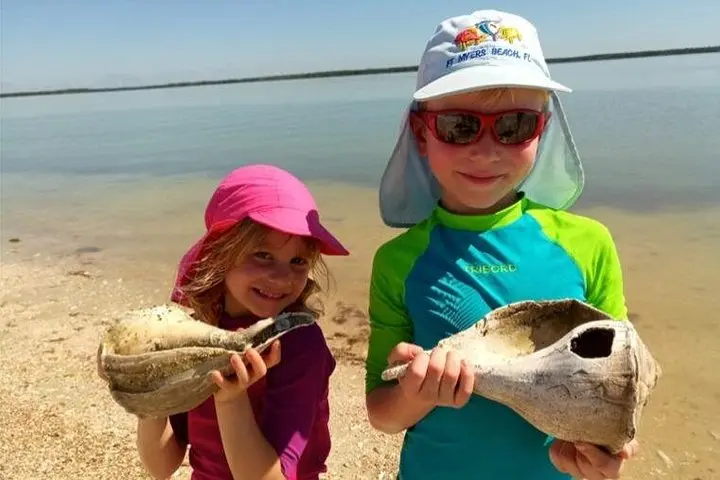
Expect to see dolphins riding bow waves, roseate spoonbills flicking in shallow flats, and the deliberate stalk of a heron along mangrove edges. The shelling stop — a small, uninhabited beach — is a practical antidote to the boat time: a place to walk, bend, and collect worn whelks, coquinas, and sand dollars brought in by the last high tide.
Practical details matter here: the operator limits shared tours to modest groups and provides captain-style seating with plenty of open deck for viewing. June through October, mornings are cooler and more comfortable; afternoons bring unpredictable sea breezes and thunderstorms. Bring sun protection, a camera with zoom or a pair of binoculars, and shoes that can get wet. Arrive 20–25 minutes early to park and use facilities; boarding closes about five minutes before departure. The tour is family-friendly — infants may sit on laps — and appropriate for most fitness levels, but those prone to seasickness should medicate ahead of time.
Beyond wildlife, this short cruise is an efficient primer on Southwest Florida’s coastal ecology and conservation challenges. Guides typically weave in notes about local restoration efforts and best practices for low-impact beachcombing. For travelers pressed for time but hungry for marine wildlife and a hands-on beach stop, this two-hour slice of the 10,000 Islands delivers a concentrated, informative, and surprisingly intimate coastal experience.
The tour runs approximately two hours and returns to the marina at the end of the cruise.
Meet under the covered picnic pavilion left of the marina store; arrive 20–25 minutes early to park and use facilities.
Yes — the trip is family-friendly; infants must sit on an adult’s lap per operator policy.
Expect dolphins, various shorebirds (including pelicans and ospreys), and seasonally manatees and sea turtles; sightings cannot be guaranteed.
You may collect empty, uninhabited shells, but removing live shells, certain protected species, or artifacts is prohibited — follow your guide’s instructions.
The operator cancels for bad weather or insufficient travelers; cancel at least 24 hours before departure for a full refund.
Marco Island Boat Tours operates guided outdoor trips and adventures with an emphasis on safety, stewardship, and memorable experiences.

The boat slips quietly away from the shaded pavilion, the engine a steady whisper beneath gulls calling overhead. In the first minutes the shoreline falls behind and a mosaic of mangrove islands and shallow channels opens up — a maze where water and land trade places with the tide. A Florida Master Naturalist points out the subtle signs: a dark fin breaking the surface, the white belly of a ray, the precise silhouette of an osprey scanning for fish. The trip is compact and purposeful: two hours of moving through the southern edge of the 10,000 Islands Wildlife Refuge, chasing dolphins, watching wading birds, and ending on an uninhabited barrier island for shelling.
The boat slips quietly away from the shaded pavilion, the engine a steady whisper beneath gulls calling overhead. In the first minutes the shoreline falls behind and a mosaic of mangrove islands and shallow channels opens up — a maze where water and land trade places with the tide. A Florida Master Naturalist points out the subtle signs: a dark fin breaking the surface, the white belly of a ray, the precise silhouette of an osprey scanning for fish. The trip is compact and purposeful: two hours of moving through the southern edge of the 10,000 Islands Wildlife Refuge, chasing dolphins, watching wading birds, and ending on an uninhabited barrier island for shelling.
Geology and human history are close companions here. The islands are low-lying carbonate and mangrove formations carved by storms and tides over millennia; sand spits and oyster bars appear and vanish with seasons. Indigenous peoples and early fishermen used these channels as lifelines; later, turn-of-the-century shrimpers and stone crabbers mapped these same shoals by memory. Today the refuge is a fragile buffer between mainland development and the Gulf, important habitat for manatees, sea turtles, and migratory shorebirds.
Expect to see dolphins riding bow waves, roseate spoonbills flicking in shallow flats, and the deliberate stalk of a heron along mangrove edges. The shelling stop — a small, uninhabited beach — is a practical antidote to the boat time: a place to walk, bend, and collect worn whelks, coquinas, and sand dollars brought in by the last high tide.
Practical details matter here: the operator limits shared tours to modest groups and provides captain-style seating with plenty of open deck for viewing. June through October, mornings are cooler and more comfortable; afternoons bring unpredictable sea breezes and thunderstorms. Bring sun protection, a camera with zoom or a pair of binoculars, and shoes that can get wet. Arrive 20–25 minutes early to park and use facilities; boarding closes about five minutes before departure. The tour is family-friendly — infants may sit on laps — and appropriate for most fitness levels, but those prone to seasickness should medicate ahead of time.
Beyond wildlife, this short cruise is an efficient primer on Southwest Florida’s coastal ecology and conservation challenges. Guides typically weave in notes about local restoration efforts and best practices for low-impact beachcombing. For travelers pressed for time but hungry for marine wildlife and a hands-on beach stop, this two-hour slice of the 10,000 Islands delivers a concentrated, informative, and surprisingly intimate coastal experience.