THE ADVENTURE COLLECTIVE® · Independent discovery and booking for outdoor travel

Cover Wadi Rum’s signature red dunes, Khazali Canyon petroglyphs and a Bedouin tea stop in a compact 2‑hour jeep loop. Ideal for travelers short on time who want geology, history and desert thrills.
Cover Wadi Rum’s signature red dunes, Khazali Canyon petroglyphs and a Bedouin tea stop in a compact 2‑hour jeep loop. Ideal for travelers short on time who want geology, history and desert thrills.
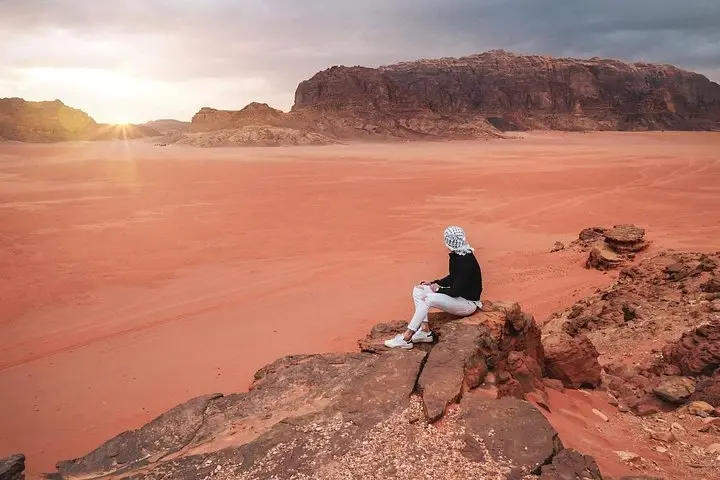
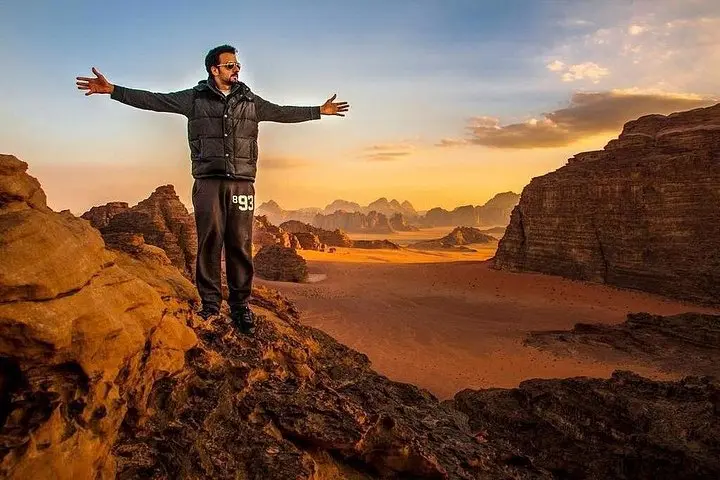
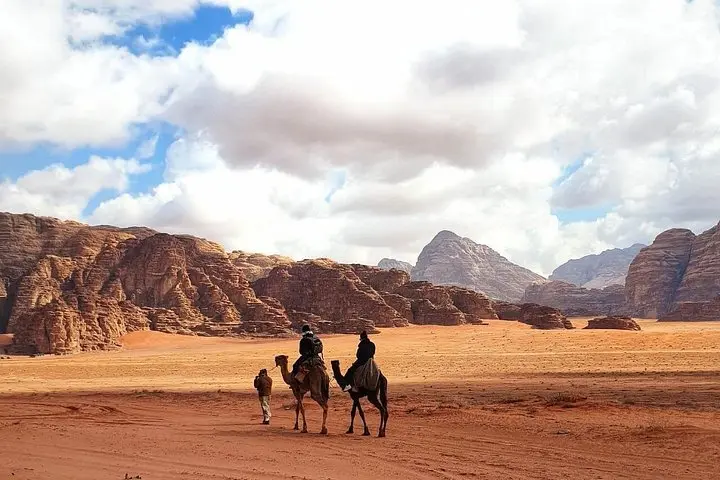
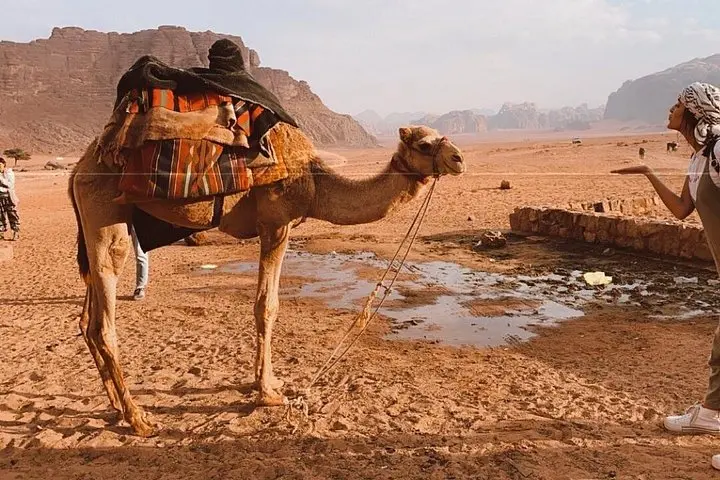
The jeep grinds across rust-red sand, tires spitting fine dust that catches the low sun. In two hours a driver-guide threads the open desert, drops you at narrow canyons and dune faces, and introduces you to a landscape that still moves on its own terms—rocks that rise like ruined walls, wind that sweeps footpaths clean, and a handful of oases that hold water where you least expect it.
Verified experiences and guided adventures in the surrounding area.
Operated by Wadi Rum Nights · Wadi Rum Village, Aqaba Governorate
The jeep grinds across rust-red sand, tires spitting fine dust that catches the low sun. In two hours a driver-guide threads the open desert, drops you at narrow canyons and dune faces, and introduces you to a landscape that still moves on its own terms—rocks that rise like ruined walls, wind that sweeps footpaths clean, and a handful of oases that hold water where you least expect it.
This short loop visits Nabatean-era sites and Khazali Canyon, where Thamudic and Nabataean petroglyphs mark human presence for millennia. The geology here is sandstone and granite shaped by wind and flash floods; iron oxides stain the dunes a vivid red. Bedouin culture remains present and practical: local guides brew tea, offer stories, and invite visitors to try sand‑boarding on Al Ramal.
Expect mostly flat driving with brief stops for short scrambles—the spring viewpoint sits roughly 300 feet above the valley floor and requires a steeper pull-up for the best vista. The itinerary packs highlights: rock inscriptions in Khazali, a quick climb to the Fig Tree spring, and time on the red sand dune for photos or sandboarding.
For practical planning: wear closed shoes, bring 1–2 liters of water, and time the tour for early morning or late afternoon to avoid peak heat and harsh light. Protect cameras from dust and listen to guides about fragile rock art. The tour is accessible to most fitness levels and offers an efficient way to sample Wadi Rum’s geology, human history, and Bedouin hospitality when you’re short on time.
Yes; the route involves short drives and brief easy walks, and operators typically note the tour as physically easy—secure children in the vehicle and follow guides’ safety instructions.
Yes; tours commonly include a stop to meet Bedouin hosts and sample Bedouin tea and bottled water as part of the experience.
Often yes—many 2‑hour jeep loops stop at the Red Sand Dune (Al Ramal) where you can walk up and try sandboarding; availability depends on conditions and operator equipment.
Bring a small amount of local currency for tips, snacks, or incidental purchases; tipping is discretionary but appreciated for local guides.
Wadi Rum Nights operates guided outdoor trips and adventures with an emphasis on safety, stewardship, and memorable experiences.
The jeep grinds across rust-red sand, tires spitting fine dust that catches the low sun. In two hours a driver-guide threads the open desert, drops you at narrow canyons and dune faces, and introduces you to a landscape that still moves on its own terms—rocks that rise like ruined walls, wind that sweeps footpaths clean, and a handful of oases that hold water where you least expect it.
The jeep grinds across rust-red sand, tires spitting fine dust that catches the low sun. In two hours a driver-guide threads the open desert, drops you at narrow canyons and dune faces, and introduces you to a landscape that still moves on its own terms—rocks that rise like ruined walls, wind that sweeps footpaths clean, and a handful of oases that hold water where you least expect it.
This short loop visits Nabatean-era sites and Khazali Canyon, where Thamudic and Nabataean petroglyphs mark human presence for millennia. The geology here is sandstone and granite shaped by wind and flash floods; iron oxides stain the dunes a vivid red. Bedouin culture remains present and practical: local guides brew tea, offer stories, and invite visitors to try sand‑boarding on Al Ramal.
Expect mostly flat driving with brief stops for short scrambles—the spring viewpoint sits roughly 300 feet above the valley floor and requires a steeper pull-up for the best vista. The itinerary packs highlights: rock inscriptions in Khazali, a quick climb to the Fig Tree spring, and time on the red sand dune for photos or sandboarding.
For practical planning: wear closed shoes, bring 1–2 liters of water, and time the tour for early morning or late afternoon to avoid peak heat and harsh light. Protect cameras from dust and listen to guides about fragile rock art. The tour is accessible to most fitness levels and offers an efficient way to sample Wadi Rum’s geology, human history, and Bedouin hospitality when you’re short on time.