THE ADVENTURE COLLECTIVE® · Independent discovery and booking for outdoor travel

A compact, value-driven 2-night safari into Kafue National Park from Lusaka—perfect for travelers pressed for time who still want quality game drives, boat cruises and walking safaris in Zambia’s central wilderness.
A compact, value-driven 2-night safari into Kafue National Park from Lusaka—perfect for travelers pressed for time who still want quality game drives, boat cruises and walking safaris in Zambia’s central wilderness.
You leave Lusaka before dawn, the city lights shrinking as the road unspools west toward Kafue National Park. Acacia silhouettes and wide, ochre floodplains slide past the vehicle window; by late afternoon you arrive at the central region and settle into Mwafushi (Mwamfushi) Safari Lodge, where the next two days are measured by bird calls, engine hum, and the slow choreography of grazing herds.
Verified experiences and guided adventures in the surrounding area.
Operated by Nahubwe Safari Lodge, Kafue National Park, Africa, Zambia · Kafue, Central Province
You leave Lusaka before dawn, the city lights shrinking as the road unspools west toward Kafue National Park. Acacia silhouettes and wide, ochre floodplains slide past the vehicle window; by late afternoon you arrive at the central region and settle into Mwafushi (Mwamfushi) Safari Lodge, where the next two days are measured by bird calls, engine hum, and the slow choreography of grazing herds.
Kafue is one of Africa’s largest national parks, carved across ancient plateaus and seasonal floodplains where river channels and oxbow lagoons shape habitat for elephants, lions and abundant waterbird life. The park’s history spans traditional Tonga and Lozi use of the land, colonial hunting concessions, and modern conservation efforts focused on sustainable tourism and community benefits.
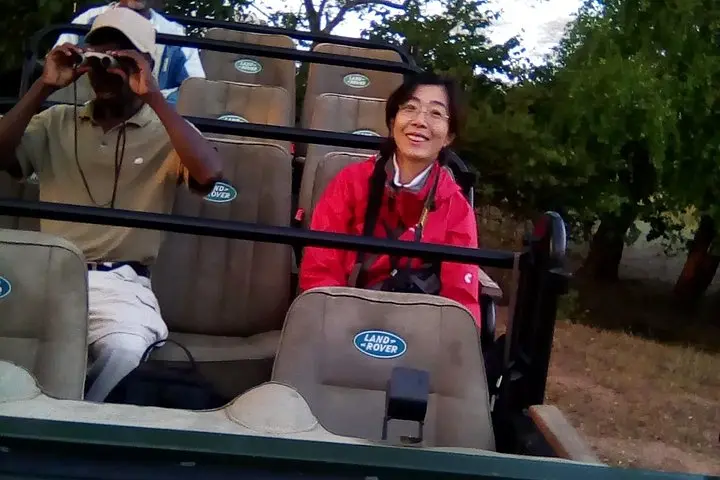
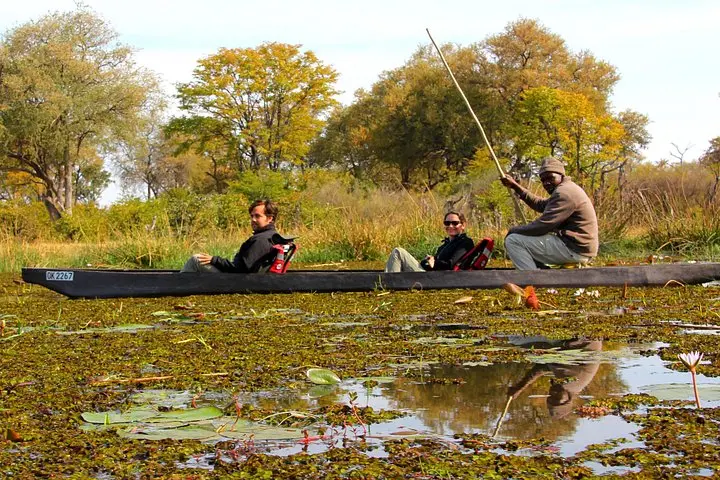
On this 2‑night itinerary expect morning and late‑afternoon game drives, a possible boat or sunset cruise on the Kafue River, optional walking safaris and basic fishing trips. Terrain is mostly flat to rolling: grasslands, mopane and miombo woodlands, and riverine thickets—vehicles are the main travel mode between viewpoints.
Practical guidance: pack sun protection and a light layer for cool early mornings, bring binoculars and a camera with a moderate telephoto, and carry reusable water. The operator follows current health and sustainability protocols; fuel up in Lusaka and keep cash for local fees and tips. Quiet patience rewards the best sightings—scan waterlines and shaded gallery forest during golden hours. With a compact schedule, this short break is efficient for travelers who want concentrated wildlife viewing without a long overland commitment.
Most itineraries include hotel pickup in Lusaka and a road transfer west along the M9 toward the central region; transfer time is typically 2–4 hours depending on lodge location and road conditions.
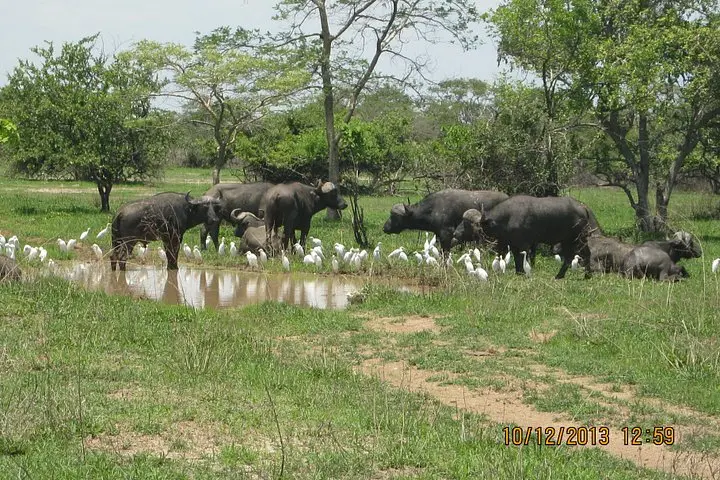
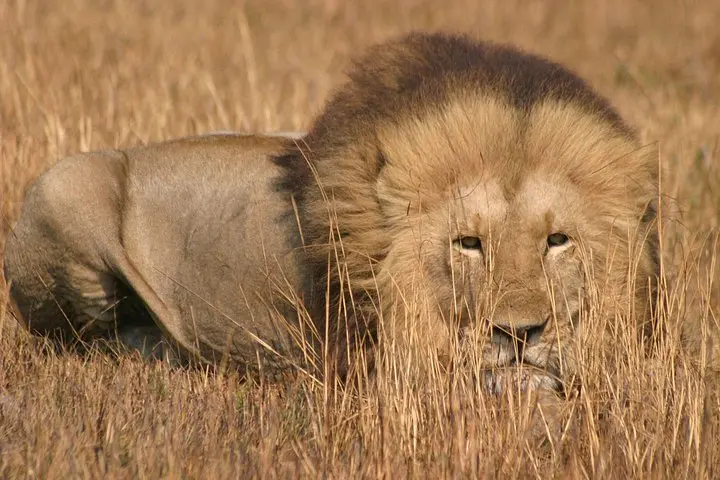
Common sightings include elephant, buffalo, antelope species (kudu, impala), hippo and a variety of birds; predators like lion and leopard are possible but less guaranteed on short stays.
Guided walking safaris are conducted by trained guides, designed for all fitness levels with safety briefings—follow guide instructions and keep group spacing.
Kafue is a malaria area—consult your doctor for prophylaxis, use insect repellent and sleep under treated nets where provided.
Nahubwe Safari Lodge, Kafue National Park, Africa, Zambia operates guided outdoor trips and adventures with an emphasis on safety, stewardship, and memorable experiences.
You leave Lusaka before dawn, the city lights shrinking as the road unspools west toward Kafue National Park. Acacia silhouettes and wide, ochre floodplains slide past the vehicle window; by late afternoon you arrive at the central region and settle into Mwafushi (Mwamfushi) Safari Lodge, where the next two days are measured by bird calls, engine hum, and the slow choreography of grazing herds.
You leave Lusaka before dawn, the city lights shrinking as the road unspools west toward Kafue National Park. Acacia silhouettes and wide, ochre floodplains slide past the vehicle window; by late afternoon you arrive at the central region and settle into Mwafushi (Mwamfushi) Safari Lodge, where the next two days are measured by bird calls, engine hum, and the slow choreography of grazing herds.
Kafue is one of Africa’s largest national parks, carved across ancient plateaus and seasonal floodplains where river channels and oxbow lagoons shape habitat for elephants, lions and abundant waterbird life. The park’s history spans traditional Tonga and Lozi use of the land, colonial hunting concessions, and modern conservation efforts focused on sustainable tourism and community benefits.
On this 2‑night itinerary expect morning and late‑afternoon game drives, a possible boat or sunset cruise on the Kafue River, optional walking safaris and basic fishing trips. Terrain is mostly flat to rolling: grasslands, mopane and miombo woodlands, and riverine thickets—vehicles are the main travel mode between viewpoints.
Practical guidance: pack sun protection and a light layer for cool early mornings, bring binoculars and a camera with a moderate telephoto, and carry reusable water. The operator follows current health and sustainability protocols; fuel up in Lusaka and keep cash for local fees and tips. Quiet patience rewards the best sightings—scan waterlines and shaded gallery forest during golden hours. With a compact schedule, this short break is efficient for travelers who want concentrated wildlife viewing without a long overland commitment.