THE ADVENTURE COLLECTIVE® · Independent discovery and booking for outdoor travel

A compact, three‑day Nile cruise linking Luxor and Aswan with a dawn visit to Abu Simbel. Expect calm sailing, ancient temples, and early starts—plus hotel transfers to and from Marsa Alam.
A compact, three‑day Nile cruise linking Luxor and Aswan with a dawn visit to Abu Simbel. Expect calm sailing, ancient temples, and early starts—plus hotel transfers to and from Marsa Alam.
The Nile unfurls like a slow-moving highway as your 5‑star dahabiya slips away from Luxor: sugar‑cube villages slide past, goats negotiate riverbanks, and the sun presses heat into the stone of distant temples. On deck, tea steams while the ship threads islands and the Esna lock, an everyday piece of engineering beneath monumental ruins.
Verified experiences and guided adventures in the surrounding area.
Operated by Here Egypt Tours · Luxor, Luxor Governorate
The Nile unfurls like a slow-moving highway as your 5‑star dahabiya slips away from Luxor: sugar‑cube villages slide past, goats negotiate riverbanks, and the sun presses heat into the stone of distant temples. On deck, tea steams while the ship threads islands and the Esna lock, an everyday piece of engineering beneath monumental ruins.
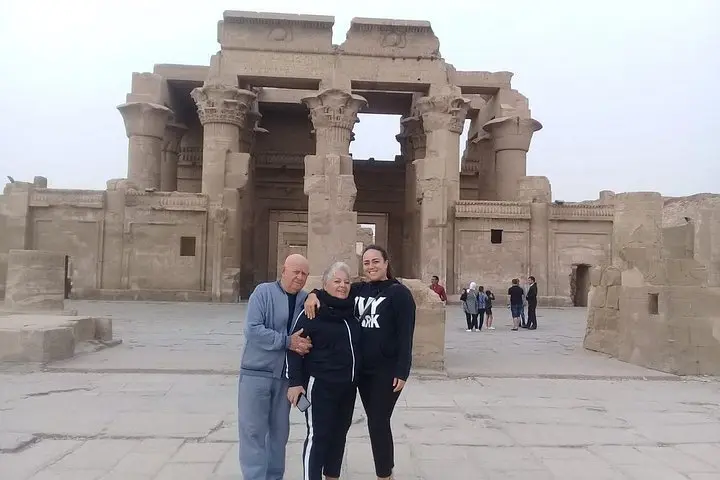
This short cruise stitches together millennia — Luxor’s temple complexes and the Valley of the Kings across the river, Kom Ombo’s twin shrines to Sobek and Haroeris, and the cliff‑carved colossi of Abu Simbel, relocated in the 1960s to escape the rising waters behind the Aswan High Dam. Geology is visible in the Nile’s alluvial plain and the banded Nubian sandstone around Aswan; culture is audible in minaret calls, felucca crews’ shouted tacks, and market haggling in small Nile towns.
Expect practical rhythms: early pickups from Marsa Alam for a multi‑hour road transfer, daytime temple walks on uneven stone, and calm evening sailing with meals on board. Abu Simbel requires a predawn departure for cooler light and smaller crowds. Hydration, sun protection, and respectful modest dress in temple zones are non‑negotiable.
This itinerary balances relaxed cruising with focused excursions — bring sturdy shoes for stepped temples, a lightweight daypack, and cash for local vendors and tips. The river dares you to slow down; the landscape rewards attention with close‑up slices of Egyptian life and some of the world’s most resolutely ancient architecture.
Yes — the itinerary includes the Abu Simbel visit, typically as an early‑morning excursion on day three with local transfers and guide commentary.
Door‑to‑door transfers can be 3–4 hours by road to Luxor depending on traffic and pickup locations; expect an early start for the outbound leg.
Meals are provided onboard beginning with lunch on day one and ending with breakfast on day three; most drinks and snacks off the ship are not included.
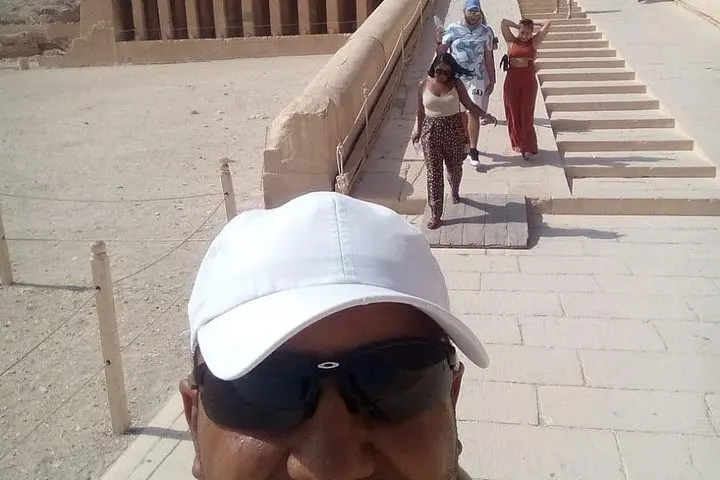
Temple visits involve walking on uneven stone, steps and some short climbs—reasonable mobility is required, but no technical climbing skills are needed.
Here Egypt Tours operates guided outdoor trips and adventures with an emphasis on safety, stewardship, and memorable experiences.
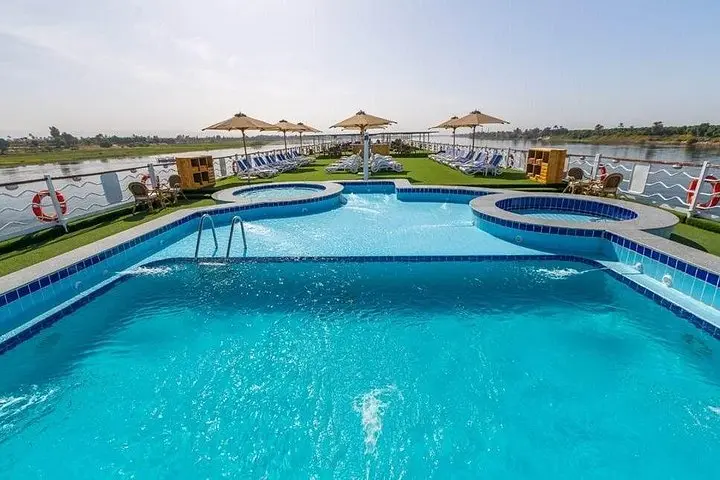
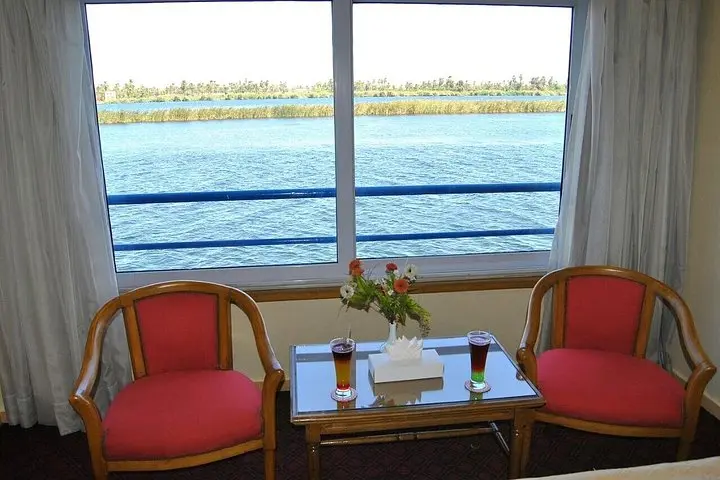
The Nile unfurls like a slow-moving highway as your 5‑star dahabiya slips away from Luxor: sugar‑cube villages slide past, goats negotiate riverbanks, and the sun presses heat into the stone of distant temples. On deck, tea steams while the ship threads islands and the Esna lock, an everyday piece of engineering beneath monumental ruins.
The Nile unfurls like a slow-moving highway as your 5‑star dahabiya slips away from Luxor: sugar‑cube villages slide past, goats negotiate riverbanks, and the sun presses heat into the stone of distant temples. On deck, tea steams while the ship threads islands and the Esna lock, an everyday piece of engineering beneath monumental ruins.
This short cruise stitches together millennia — Luxor’s temple complexes and the Valley of the Kings across the river, Kom Ombo’s twin shrines to Sobek and Haroeris, and the cliff‑carved colossi of Abu Simbel, relocated in the 1960s to escape the rising waters behind the Aswan High Dam. Geology is visible in the Nile’s alluvial plain and the banded Nubian sandstone around Aswan; culture is audible in minaret calls, felucca crews’ shouted tacks, and market haggling in small Nile towns.
Expect practical rhythms: early pickups from Marsa Alam for a multi‑hour road transfer, daytime temple walks on uneven stone, and calm evening sailing with meals on board. Abu Simbel requires a predawn departure for cooler light and smaller crowds. Hydration, sun protection, and respectful modest dress in temple zones are non‑negotiable.
This itinerary balances relaxed cruising with focused excursions — bring sturdy shoes for stepped temples, a lightweight daypack, and cash for local vendors and tips. The river dares you to slow down; the landscape rewards attention with close‑up slices of Egyptian life and some of the world’s most resolutely ancient architecture.