THE ADVENTURE COLLECTIVE® · Independent discovery and booking for outdoor travel

Sail from Aswan to Luxor over two nights and three days, stopping at Kom Ombo, Edfu and Luxor's West and East Banks. Expect sunrise balloon flights, guided temple tours, and relaxed evenings aboard a mid‑river cruise ship.
Sail from Aswan to Luxor over two nights and three days, stopping at Kom Ombo, Edfu and Luxor's West and East Banks. Expect sunrise balloon flights, guided temple tours, and relaxed evenings aboard a mid‑river cruise ship.
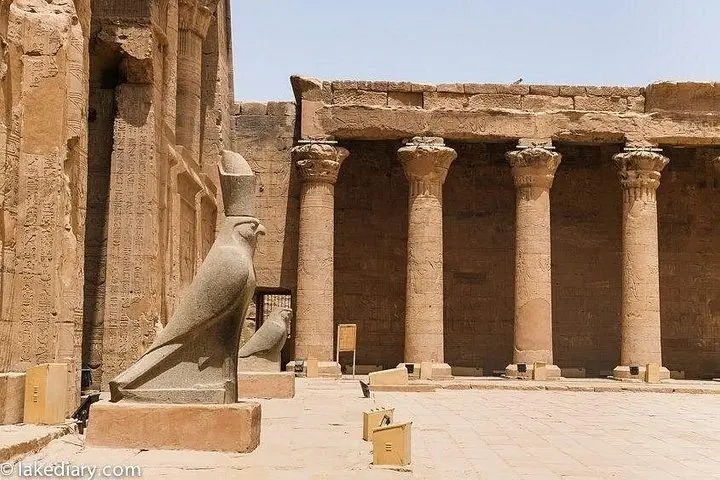
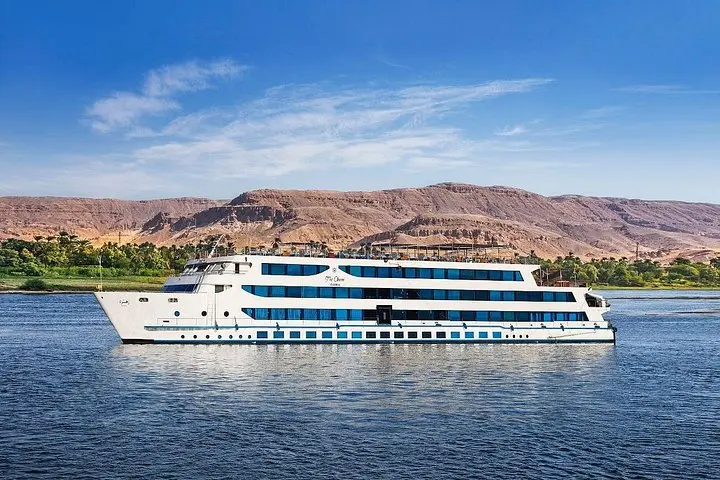
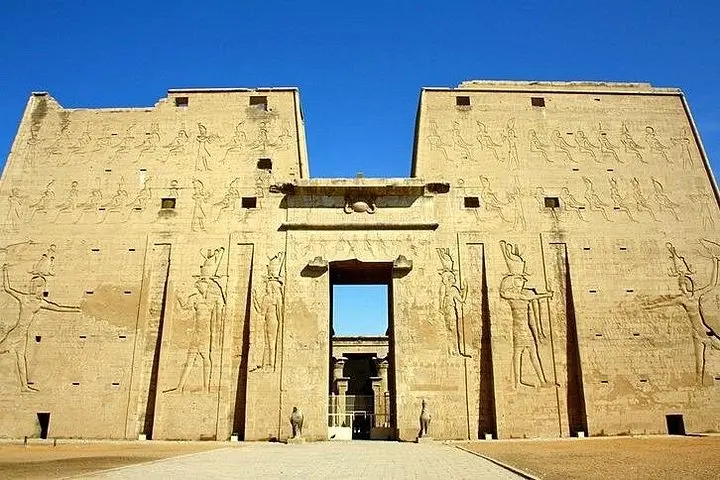
Dawn breaks over the Nile and the cruise slips away from Aswan's palm-lined quays: the deck cool underfoot, the captain in a galabeya easing the boat between river islands while fishermen push off in feluccas. Over the next two nights the river becomes a slow-moving itinerary — Kom Ombo's dual temple, Edfu's well-preserved cult halls, and the open-air museum of Luxor with its Karnak pillars and Valley of the Kings carved into limestone cliffs.
Verified experiences and guided adventures in the surrounding area.
Operated by Nile Prince Travel · Aswan, Aswan Governorate
Dawn breaks over the Nile and the cruise slips away from Aswan's palm-lined quays: the deck cool underfoot, the captain in a galabeya easing the boat between river islands while fishermen push off in feluccas. Over the next two nights the river becomes a slow-moving itinerary — Kom Ombo's dual temple, Edfu's well-preserved cult halls, and the open-air museum of Luxor with its Karnak pillars and Valley of the Kings carved into limestone cliffs.
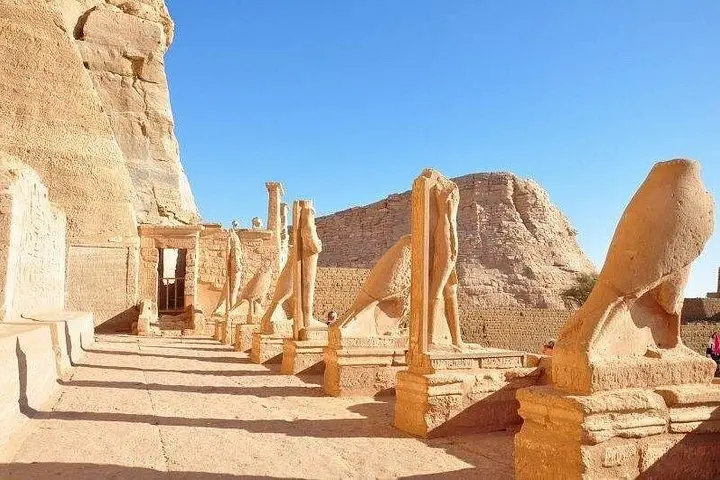
This corridor of the Nile is as much geological as historical: the river's alluvial plain feeds lush pockets of cultivation against a backdrop of sandstone ridges that ancient builders used for tombs and temples. Culturally, Upper Egypt keeps older rhythms — horse-drawn carriages, market stalls near the docks, and guides fluent in Egyptology who will map myths of Horus, Sobek and Hatshepsut as you walk stone colonnades.
Practically, expect early mornings (hot-air balloons launch before sunrise), guided shore excursions, and time to relax on deck between visits. Cabins include basic facilities; meals are served on board. Walks at temple sites involve uneven stone, steps and shaded areas but are generally low impact.
Pack sun protection, bring small bills for local vendors and guides, and plan for temperature swings between dawn and midday. Accessibility is good for most travelers, though some tombs require climbing. For photographers, the golden hours from the deck and the balloon offer the clearest light. This trip pairs gentle river travel with concentrated cultural hiking — a slow, tangible route through Egypt's most iconic ancient places.
Most temple visits are handled during the tour but hot-air balloon entries are listed as included in this itinerary; confirm at booking and on your voucher.
Pick-up and drop-off are provided by air-conditioned minibus; short boat or shuttle transfers may be used for some sites.
The cruise and main deck are wheelchair accessible, but many temple areas and tombs have stairs and uneven ground—check specific accessibility needs before booking.
Egyptian pounds are standard; small tips are customary for local guides, drivers and cruise staff—carry small denominations.
Nile Prince Travel operates guided outdoor trips and adventures with an emphasis on safety, stewardship, and memorable experiences.
Dawn breaks over the Nile and the cruise slips away from Aswan's palm-lined quays: the deck cool underfoot, the captain in a galabeya easing the boat between river islands while fishermen push off in feluccas. Over the next two nights the river becomes a slow-moving itinerary — Kom Ombo's dual temple, Edfu's well-preserved cult halls, and the open-air museum of Luxor with its Karnak pillars and Valley of the Kings carved into limestone cliffs.
Dawn breaks over the Nile and the cruise slips away from Aswan's palm-lined quays: the deck cool underfoot, the captain in a galabeya easing the boat between river islands while fishermen push off in feluccas. Over the next two nights the river becomes a slow-moving itinerary — Kom Ombo's dual temple, Edfu's well-preserved cult halls, and the open-air museum of Luxor with its Karnak pillars and Valley of the Kings carved into limestone cliffs.
This corridor of the Nile is as much geological as historical: the river's alluvial plain feeds lush pockets of cultivation against a backdrop of sandstone ridges that ancient builders used for tombs and temples. Culturally, Upper Egypt keeps older rhythms — horse-drawn carriages, market stalls near the docks, and guides fluent in Egyptology who will map myths of Horus, Sobek and Hatshepsut as you walk stone colonnades.
Practically, expect early mornings (hot-air balloons launch before sunrise), guided shore excursions, and time to relax on deck between visits. Cabins include basic facilities; meals are served on board. Walks at temple sites involve uneven stone, steps and shaded areas but are generally low impact.
Pack sun protection, bring small bills for local vendors and guides, and plan for temperature swings between dawn and midday. Accessibility is good for most travelers, though some tombs require climbing. For photographers, the golden hours from the deck and the balloon offer the clearest light. This trip pairs gentle river travel with concentrated cultural hiking — a slow, tangible route through Egypt's most iconic ancient places.