THE ADVENTURE COLLECTIVE® · Independent discovery and booking for outdoor travel

Sail from Aswan to Luxor over two nights and witness temple dawns, river sunsets, and life along the Nile. This cruise balances relaxed on-deck hours with guided temple visits and short shore excursions.
Sail from Aswan to Luxor over two nights and witness temple dawns, river sunsets, and life along the Nile. This cruise balances relaxed on-deck hours with guided temple visits and short shore excursions.
The boat eases off Aswan at dusk and the Nile widens into a ribbon of low light; by morning the river pushes the hull toward papyrus-edged banks and temples that have watched millennia pass.
Verified experiences and guided adventures in the surrounding area.
The boat eases off Aswan at dusk and the Nile widens into a ribbon of low light; by morning the river pushes the hull toward papyrus-edged banks and temples that have watched millennia pass.
This two-night cruise links Aswan and Luxor, delivering sunrise and sunset views from deck while stopping at major archaeological highlights on both banks. The river carved the Nile Valley’s fertile corridor out of floodplain and sandstone, concentrating ancient settlements and the colossal temples you’ll visit — Luxor, Karnak on the east bank, and funerary sites on the west.
Expect a mix of gentle river travel and short, focused landings: guided temple walks of a few hundred meters to a couple of kilometers across uneven stone and sand, plus optional village visits that reveal Nubian crafts and contemporary river life. Cultural notes: temple walls record pharaonic rituals and later Greco-Roman reuse; local communities still fish and farm in river terraces.
Practical guidance: bring sun protection and sturdy walking shoes for carved stairways and dusty paths; ferry boarding can be steep so steady balance helps. Tour days are structured—early departures for cool light and late-afternoon returns to the boat—so pace yourself around temple schedules. Visitor facilities are basic; carry water, cash for entrance fees and tips, and a lightweight daypack. The best months are October–April when temperatures are milder. If you want fewer crowds, request early morning temple slots and ask your operator about private landing options.
This trip pairs slow, open-water travel with concentrated cultural exploration—perfect for travelers who want river time without heavy trekking.
Most 2-night cruises run overnight between Aswan and Luxor with guided visits to temple complexes such as Kom Ombo, Edfu (when scheduled), Karnak and Luxor, and occasional village stops.
Policies vary; many packages exclude national site entrance fees and some museum tickets—carry cash to pay on arrival if not included.
Partial suitability: boarding tenders and stone steps at temples can be steep; contact the operator for accessibility options and assistance beforehand.
October through April offers the most comfortable temperatures; summer is very hot and may limit daytime touring.
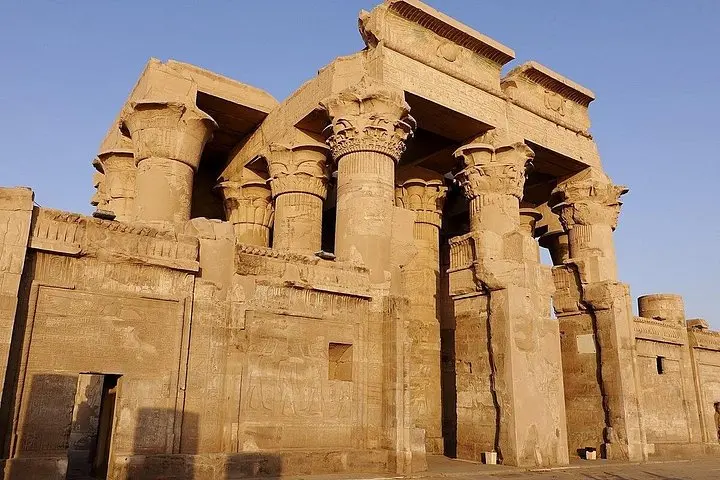
The boat eases off Aswan at dusk and the Nile widens into a ribbon of low light; by morning the river pushes the hull toward papyrus-edged banks and temples that have watched millennia pass.
The boat eases off Aswan at dusk and the Nile widens into a ribbon of low light; by morning the river pushes the hull toward papyrus-edged banks and temples that have watched millennia pass.
This two-night cruise links Aswan and Luxor, delivering sunrise and sunset views from deck while stopping at major archaeological highlights on both banks. The river carved the Nile Valley’s fertile corridor out of floodplain and sandstone, concentrating ancient settlements and the colossal temples you’ll visit — Luxor, Karnak on the east bank, and funerary sites on the west.
Expect a mix of gentle river travel and short, focused landings: guided temple walks of a few hundred meters to a couple of kilometers across uneven stone and sand, plus optional village visits that reveal Nubian crafts and contemporary river life. Cultural notes: temple walls record pharaonic rituals and later Greco-Roman reuse; local communities still fish and farm in river terraces.
Practical guidance: bring sun protection and sturdy walking shoes for carved stairways and dusty paths; ferry boarding can be steep so steady balance helps. Tour days are structured—early departures for cool light and late-afternoon returns to the boat—so pace yourself around temple schedules. Visitor facilities are basic; carry water, cash for entrance fees and tips, and a lightweight daypack. The best months are October–April when temperatures are milder. If you want fewer crowds, request early morning temple slots and ask your operator about private landing options.
This trip pairs slow, open-water travel with concentrated cultural exploration—perfect for travelers who want river time without heavy trekking.