THE ADVENTURE COLLECTIVE® · Independent discovery and booking for outdoor travel

Ride camels into Erg Chebbi, sleep in a private Berber tent beneath a sky of stars, and return with sunrises, Gnawa music, and a 4×4 loop through small adobe villages. This compact 2‑night experience packs desert geology, local culture, and easy adventure into a weekend escape.
Ride camels into Erg Chebbi, sleep in a private Berber tent beneath a sky of stars, and return with sunrises, Gnawa music, and a 4×4 loop through small adobe villages. This compact 2‑night experience packs desert geology, local culture, and easy adventure into a weekend escape.
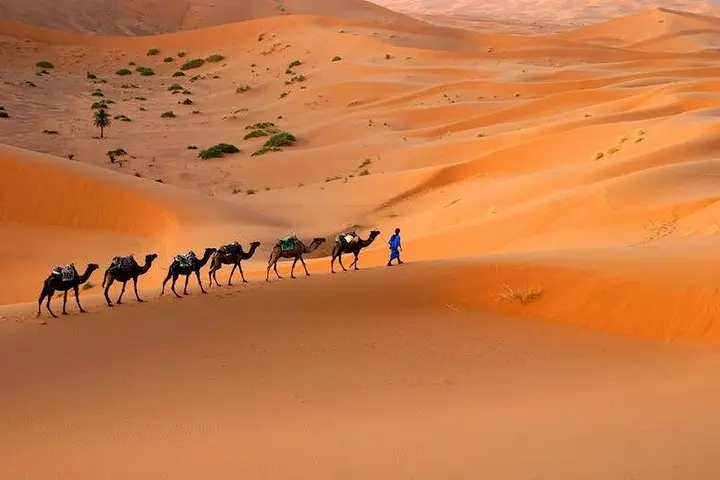
The dune faces of Erg Chebbi rise like a living map—shifting ridgelines of gold that change with each gust. You arrive in Merzouga, the village at the desert’s edge, and before dusk mount a steady camel caravan that carries you into the camp as the sun falls behind a horizon of sand.
Verified experiences and guided adventures in the surrounding area.
Operated by Marrakech Camel Trips - Day Trips · Merzouga, Errachidia Province
The dune faces of Erg Chebbi rise like a living map—shifting ridgelines of gold that change with each gust. You arrive in Merzouga, the village at the desert’s edge, and before dusk mount a steady camel caravan that carries you into the camp as the sun falls behind a horizon of sand.
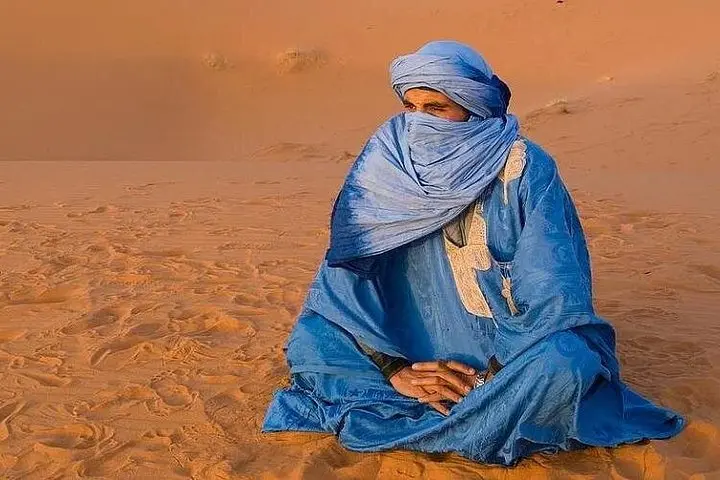
This short expedition centers on two clear rituals: sunrise over the dunes and the night in a Berber tent under an open sky. The region sits on the southeastern edge of the High Atlas’s rain shadow; its geology is wind-sculpted sand atop ancient alluvial deposits. Culturally, the area is shaped by Amazigh (Berber) communities and Gnawa musicians—Khamlia village nearby preserves a style of trance rhythm tied to West African heritage.
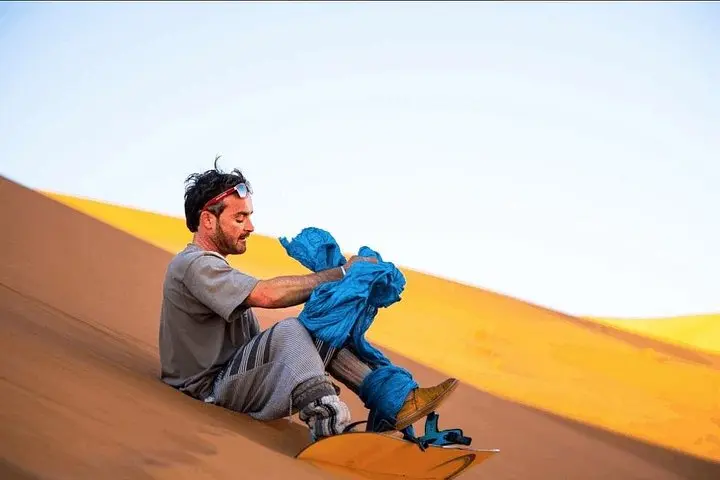
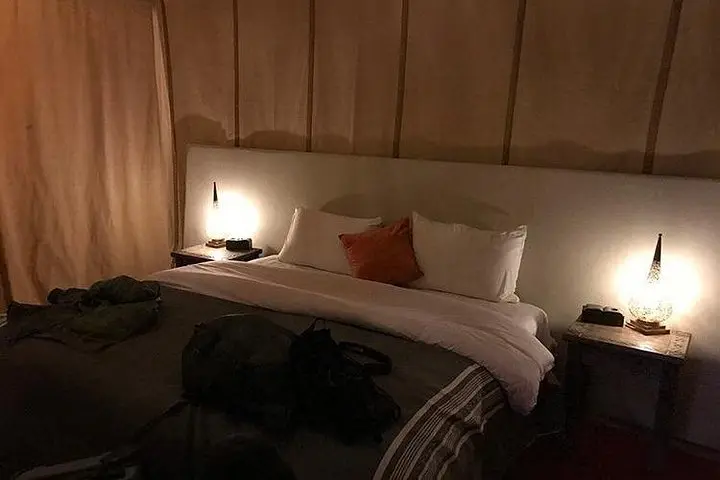
Expect calm, clear nights, dramatic sunrises, and a program of camel rides, a 4×4 loop to small adobe villages and the Lmifis mining area, plus shared meals of local hospitality. Camps commonly provide private tents with en-suite facilities and staged Berber dinners with drum music.
Practical notes: pack layers for big day–night temperature swings, bring sunscreen and at least 2 liters of water per person while out on the dunes, and wear closed shoes for sand walking. If you have mobility or cardiovascular concerns, choose camp programs with shorter dune walks or rely on vehicle transfers. Plan travel to Merzouga ahead of arrival times—most operators begin activities from the village and finish there after the final 4×4 transfer.
This itinerary is ideal for travelers seeking a compact, culturally rich desert overnight that balances low-effort trekking with meaningful local encounters.
Yes—most operators meet guests in Merzouga. Verify your pickup point when booking; some companies can arrange transfers from larger towns for an extra fee.
Many camps offer private tents, some with en‑suite facilities; check the specific camp description—this itinerary notes private tents with private bathrooms.
Camel rides involve mounting from a seated or kneeling position and riding over uneven sand; if you have mobility constraints, request vehicle transfers for portions of the route instead.
Tipping is customary—small amounts for camel handlers, drivers and camp staff are appreciated; a shared tip fund distributed at the end of the trip is common practice.
Marrakech Camel Trips - Day Trips operates guided outdoor trips and adventures with an emphasis on safety, stewardship, and memorable experiences.
The dune faces of Erg Chebbi rise like a living map—shifting ridgelines of gold that change with each gust. You arrive in Merzouga, the village at the desert’s edge, and before dusk mount a steady camel caravan that carries you into the camp as the sun falls behind a horizon of sand.
The dune faces of Erg Chebbi rise like a living map—shifting ridgelines of gold that change with each gust. You arrive in Merzouga, the village at the desert’s edge, and before dusk mount a steady camel caravan that carries you into the camp as the sun falls behind a horizon of sand.
This short expedition centers on two clear rituals: sunrise over the dunes and the night in a Berber tent under an open sky. The region sits on the southeastern edge of the High Atlas’s rain shadow; its geology is wind-sculpted sand atop ancient alluvial deposits. Culturally, the area is shaped by Amazigh (Berber) communities and Gnawa musicians—Khamlia village nearby preserves a style of trance rhythm tied to West African heritage.
Expect calm, clear nights, dramatic sunrises, and a program of camel rides, a 4×4 loop to small adobe villages and the Lmifis mining area, plus shared meals of local hospitality. Camps commonly provide private tents with en-suite facilities and staged Berber dinners with drum music.
Practical notes: pack layers for big day–night temperature swings, bring sunscreen and at least 2 liters of water per person while out on the dunes, and wear closed shoes for sand walking. If you have mobility or cardiovascular concerns, choose camp programs with shorter dune walks or rely on vehicle transfers. Plan travel to Merzouga ahead of arrival times—most operators begin activities from the village and finish there after the final 4×4 transfer.
This itinerary is ideal for travelers seeking a compact, culturally rich desert overnight that balances low-effort trekking with meaningful local encounters.