THE ADVENTURE COLLECTIVE® · Independent discovery and booking for outdoor travel

Explore the post-2002 lava fields and crater edges on Etna’s quieter north side from Piano Provenzana. This guided 4.5 km, ~3-hour hike covers recent eruptive fractures, beech-forested descents and dramatic volcanic viewpoints.
Explore the post-2002 lava fields and crater edges on Etna’s quieter north side from Piano Provenzana. This guided 4.5 km, ~3-hour hike covers recent eruptive fractures, beech-forested descents and dramatic volcanic viewpoints.
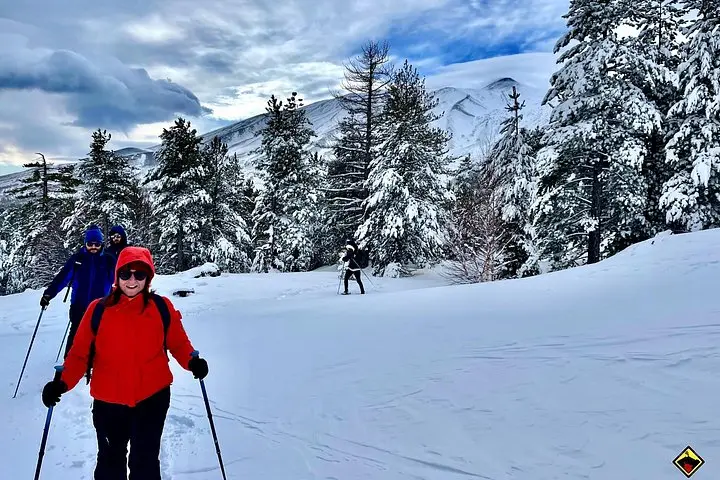
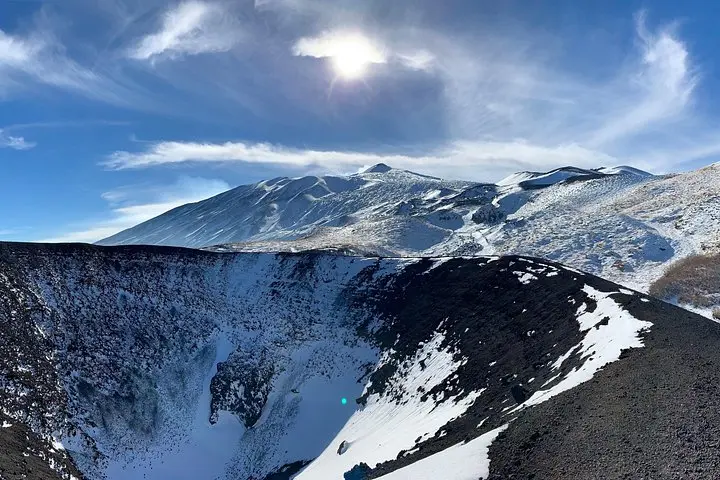
You step out at Piano Provenzana and the air feels thinner, cooler—Etna’s north slope pressing around you in black and green. The trail starts at 1,800 m beneath pine trunks and quickly opens onto a landscape reshaped by fire: jagged 2002 lava, a half-buried hotel roof, and a fractured crest that grinds the sky with its sharp teeth.
Verified experiences and guided adventures in the surrounding area.
Operated by Guide Vulcanologiche Etna Nord · Linguaglossa, Sicily
You step out at Piano Provenzana and the air feels thinner, cooler—Etna’s north slope pressing around you in black and green. The trail starts at 1,800 m beneath pine trunks and quickly opens onto a landscape reshaped by fire: jagged 2002 lava, a half-buried hotel roof, and a fractured crest that grinds the sky with its sharp teeth.
This three-hour guided route follows roughly 4.5 km roundtrip with about 300 m of ascent to vents perched at 2,100 m. Geology is the trip’s storyteller: recent lava fields from the 2002 eruption lay over older flows from 1911 and 1923, while explosive craters and scoria cones puncture the skyline. Local guides are qualified volcanological professionals and will explain how Etna’s basaltic eruptions build and destroy infrastructure in cycles that have shaped community life in nearby Linguaglossa.
Culturally, Piano Provenzana shifts with the seasons—ski lifts in winter, trailheads and cafés in summer—so you’ll find basic services and rental boots or jackets if needed. Nature here has attitude: beech groves reclaim ash gullies, while the volcanic surface can be loose and unforgiving underfoot.
Practical guidance: meet at the Chiosco Bar Mareneve in the Piano Provenzana parking area at 09:45 for a 10:00 departure. Expect uneven volcanic ash, short steep sections, and exposed crater rims that can trigger vertigo for some. Bring sturdy hiking boots, layered clothing, sun protection and at least 1–1.5 L of water. Tours run year-round but conditions depend on volcanic activity and weather—guides can alter or stop the walk for safety. Walk respectfully: stay on the route, carry out waste, and heed your guide’s instructions to enjoy a safe, informative encounter with one of Europe’s most active volcanoes.
The route is just over 4.5 km roundtrip with roughly 300 m of ascent, typically completed in 2.5–3 hours including stops.
Yes—boots and jackets can be rented on site at Piano Provenzana, though visitors are encouraged to bring their own for the best fit.
It’s classified as tourist/easy and suitable for children used to walking, but volcanic terrain can be unstable; not recommended for those with serious mobility issues or certain health conditions.
Yes—guides may alter or stop the excursion for safety due to weather, volcanic activity, or unstable trail conditions; refunds follow the operator’s cancellation policy.
Guide Vulcanologiche Etna Nord operates guided outdoor trips and adventures with an emphasis on safety, stewardship, and memorable experiences.
You step out at Piano Provenzana and the air feels thinner, cooler—Etna’s north slope pressing around you in black and green. The trail starts at 1,800 m beneath pine trunks and quickly opens onto a landscape reshaped by fire: jagged 2002 lava, a half-buried hotel roof, and a fractured crest that grinds the sky with its sharp teeth.
You step out at Piano Provenzana and the air feels thinner, cooler—Etna’s north slope pressing around you in black and green. The trail starts at 1,800 m beneath pine trunks and quickly opens onto a landscape reshaped by fire: jagged 2002 lava, a half-buried hotel roof, and a fractured crest that grinds the sky with its sharp teeth.
This three-hour guided route follows roughly 4.5 km roundtrip with about 300 m of ascent to vents perched at 2,100 m. Geology is the trip’s storyteller: recent lava fields from the 2002 eruption lay over older flows from 1911 and 1923, while explosive craters and scoria cones puncture the skyline. Local guides are qualified volcanological professionals and will explain how Etna’s basaltic eruptions build and destroy infrastructure in cycles that have shaped community life in nearby Linguaglossa.
Culturally, Piano Provenzana shifts with the seasons—ski lifts in winter, trailheads and cafés in summer—so you’ll find basic services and rental boots or jackets if needed. Nature here has attitude: beech groves reclaim ash gullies, while the volcanic surface can be loose and unforgiving underfoot.
Practical guidance: meet at the Chiosco Bar Mareneve in the Piano Provenzana parking area at 09:45 for a 10:00 departure. Expect uneven volcanic ash, short steep sections, and exposed crater rims that can trigger vertigo for some. Bring sturdy hiking boots, layered clothing, sun protection and at least 1–1.5 L of water. Tours run year-round but conditions depend on volcanic activity and weather—guides can alter or stop the walk for safety. Walk respectfully: stay on the route, carry out waste, and heed your guide’s instructions to enjoy a safe, informative encounter with one of Europe’s most active volcanoes.