THE ADVENTURE COLLECTIVE® · Independent discovery and booking for outdoor travel

Traverse 21 days of Central Asia by van and short flights—Bishkek to Tashkent—visiting Issyk-Kul, the Fan Mountains, Samarkand, Bukhara and the Darvaza gas crater. Expect varied terrain, local homestays, and a steady pace that balances culture and active exploration.
Traverse 21 days of Central Asia by van and short flights—Bishkek to Tashkent—visiting Issyk-Kul, the Fan Mountains, Samarkand, Bukhara and the Darvaza gas crater. Expect varied terrain, local homestays, and a steady pace that balances culture and active exploration.
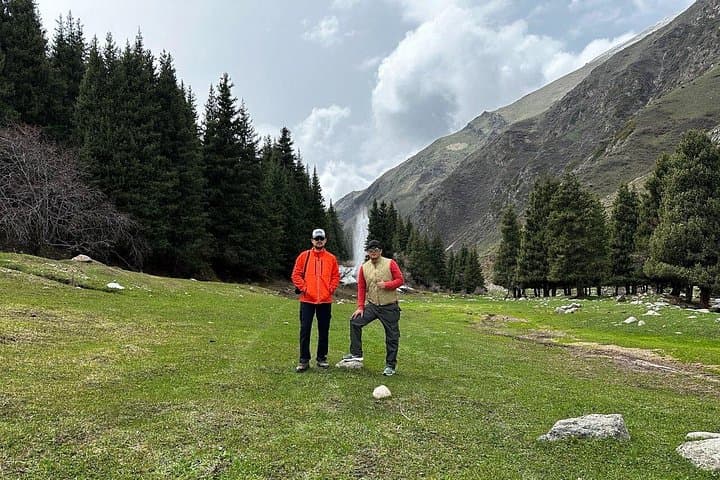
The bus hums to life outside Bishkek at dawn and the skyline peels back to reveal steppe, jagged ridgelines, and a horizon that keeps changing its character by the hour.
Verified experiences and guided adventures in the surrounding area.
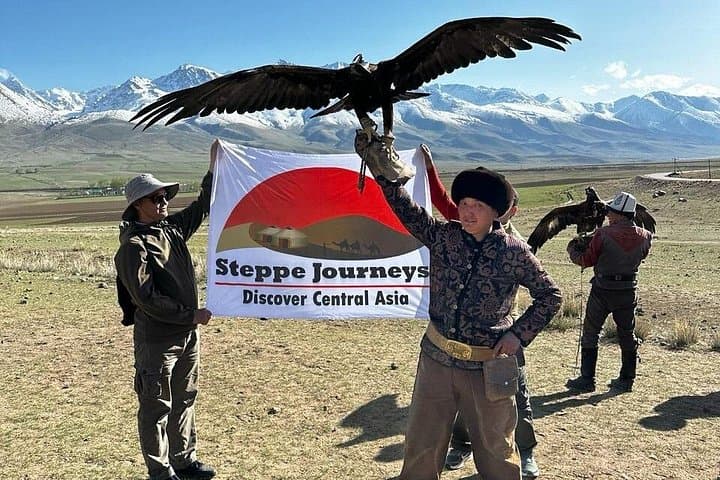
Operated by Steppe Journeys · Bishkek, Chuy Region
The bus hums to life outside Bishkek at dawn and the skyline peels back to reveal steppe, jagged ridgelines, and a horizon that keeps changing its character by the hour.
Over 21 days you move from Soviet-era boulevards to the glassy surface of Issyk-Kul, across the Fan Mountains’ alpine bowls, into Samarkand’s tile-clad plazas, and finally under the heat haze of the Karakum Desert where the Darvaza gas crater burns like an inland sun. Rivers cut the landscape and dare you to follow their courses; mountain passes push at the edges of your map and demand attention.
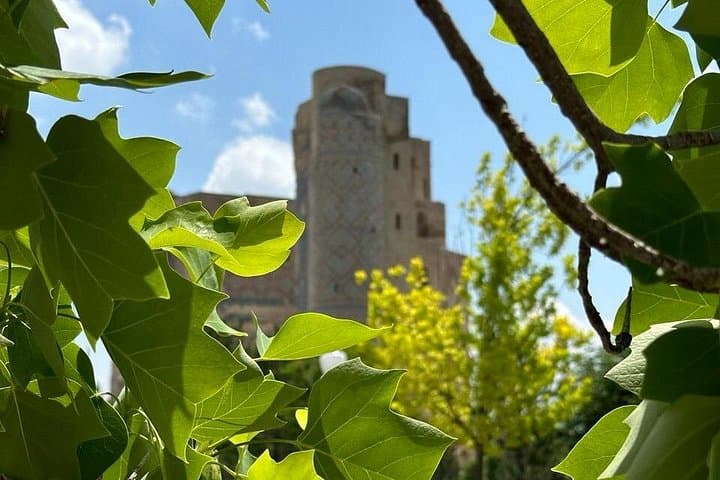
History here is tangible: Silk Road caravan cities, Timurid madrasahs, Parthian forts and Soviet memorials layer one over another. Geology alternates between glacial valleys and clay deserts; the Fan Mountains are sharp and young, the Karakum is wind-sanded and ancient.
Cultural life centers on bazaars, teahouses and family-run guesthouses where food is direct and generous. Expect a mix of hotels, yurt camps and tented nights; transport is mostly private vans and short domestic flights.
Practical guidance: pack for variable conditions—warm days, cold nights, and dusty desert drives. Expect moderate daily activity: short hikes, city walking, and occasional altitude (Fan Mountains up to ~3,500–4,000 m on day excursions). Carry original passport, copies, and a light first-aid kit. Hydrate steadily on long drives and plan for limited mobile data in remote stretches.
This is a forward-moving, immersive overland route—part cultural survey, part backcountry gateway—best for travelers ready to trade creature comforts for access and perspective.
Visa requirements depend on your nationality—many travelers need visas for Turkmenistan and Tajikistan in advance; check embassies and allow time for Turkmenistan paperwork.
Daily activity is generally light to moderate: city walking, market visits and occasional short hikes (1–3 hours) in parks or gorges; some optional alpine excursions may be longer.
A mix of 3–4 star hotels, family guesthouses, yurt camps and tented nights in the desert; the itinerary lists typical hotels but exact properties may vary.
Yes—roads and cities are commonly visited by tourists, though solo travelers should follow standard precautions, register with the tour operator, and avoid late-night solitary walks in unfamiliar areas.
Steppe Journeys operates guided outdoor trips and adventures with an emphasis on safety, stewardship, and memorable experiences.
The bus hums to life outside Bishkek at dawn and the skyline peels back to reveal steppe, jagged ridgelines, and a horizon that keeps changing its character by the hour.
The bus hums to life outside Bishkek at dawn and the skyline peels back to reveal steppe, jagged ridgelines, and a horizon that keeps changing its character by the hour.
Over 21 days you move from Soviet-era boulevards to the glassy surface of Issyk-Kul, across the Fan Mountains’ alpine bowls, into Samarkand’s tile-clad plazas, and finally under the heat haze of the Karakum Desert where the Darvaza gas crater burns like an inland sun. Rivers cut the landscape and dare you to follow their courses; mountain passes push at the edges of your map and demand attention.
History here is tangible: Silk Road caravan cities, Timurid madrasahs, Parthian forts and Soviet memorials layer one over another. Geology alternates between glacial valleys and clay deserts; the Fan Mountains are sharp and young, the Karakum is wind-sanded and ancient.
Cultural life centers on bazaars, teahouses and family-run guesthouses where food is direct and generous. Expect a mix of hotels, yurt camps and tented nights; transport is mostly private vans and short domestic flights.
Practical guidance: pack for variable conditions—warm days, cold nights, and dusty desert drives. Expect moderate daily activity: short hikes, city walking, and occasional altitude (Fan Mountains up to ~3,500–4,000 m on day excursions). Carry original passport, copies, and a light first-aid kit. Hydrate steadily on long drives and plan for limited mobile data in remote stretches.
This is a forward-moving, immersive overland route—part cultural survey, part backcountry gateway—best for travelers ready to trade creature comforts for access and perspective.