THE ADVENTURE COLLECTIVE® · Independent discovery and booking for outdoor travel

Covering Kenya’s best reserves, a Machame ascent of Kilimanjaro and two days of tropical recovery at Diani Beach, this 21‑day private tour blends epic wildlife viewing, high‑altitude trekking and coastal relaxation. Read on for what to expect, where the challenges are, and how to prepare.
Covering Kenya’s best reserves, a Machame ascent of Kilimanjaro and two days of tropical recovery at Diani Beach, this 21‑day private tour blends epic wildlife viewing, high‑altitude trekking and coastal relaxation. Read on for what to expect, where the challenges are, and how to prepare.
The trip begins before sunrise, when Nairobi’s traffic thins and the air takes on a dry, warm edge. You climb into a private vehicle and trade the city’s pulse for the wide, restless horizon of the Rift Valley — and the easy hunger of the savannah. In one sweep this 21‑day route moves from Lake Naivasha’s papyrus edges to morning game drives in the Maasai Mara and Serengeti, then up the forested flanks of Mount Kilimanjaro via the Machame Route, finally dissolving into the turquoise shallows of Diani Beach.
Verified experiences and guided adventures in the surrounding area.
Operated by Gracepatt Safaris · Nairobi, Nairobi County
The trip begins before sunrise, when Nairobi’s traffic thins and the air takes on a dry, warm edge. You climb into a private vehicle and trade the city’s pulse for the wide, restless horizon of the Rift Valley — and the easy hunger of the savannah. In one sweep this 21‑day route moves from Lake Naivasha’s papyrus edges to morning game drives in the Maasai Mara and Serengeti, then up the forested flanks of Mount Kilimanjaro via the Machame Route, finally dissolving into the turquoise shallows of Diani Beach.
Geology and history thread through every day. The Great Rift Valley is a scar of continental plates; its lakes and escarpments feed a mosaic of ecosystems that support the Big Five. Kilimanjaro is a stratovolcano whose layered cones — Kibo, Mawenzi, Shira — are shaped by ancient eruptions and modern glaciers. Culturally, Maasai villages punctuate the plains; their pastoral economy and beadwork have long defined human life here, while coastal Swahili towns on the Indian Ocean recall centuries of trade with Arabia and Asia.
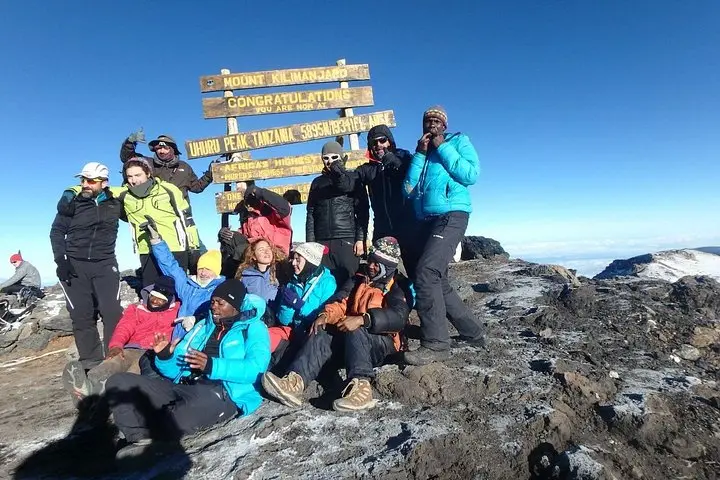
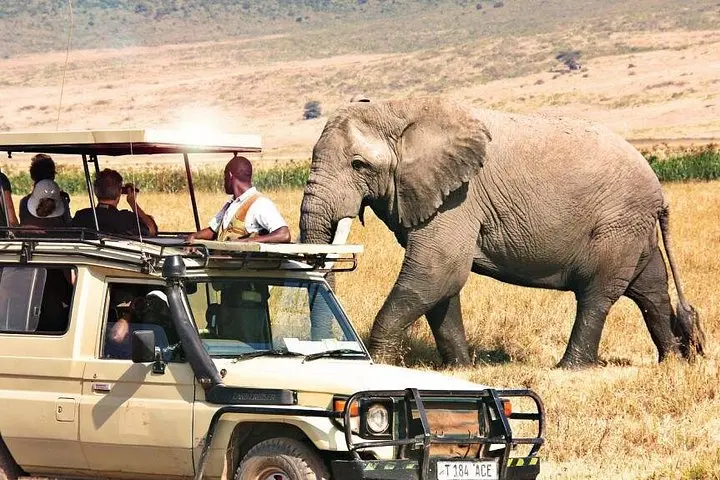
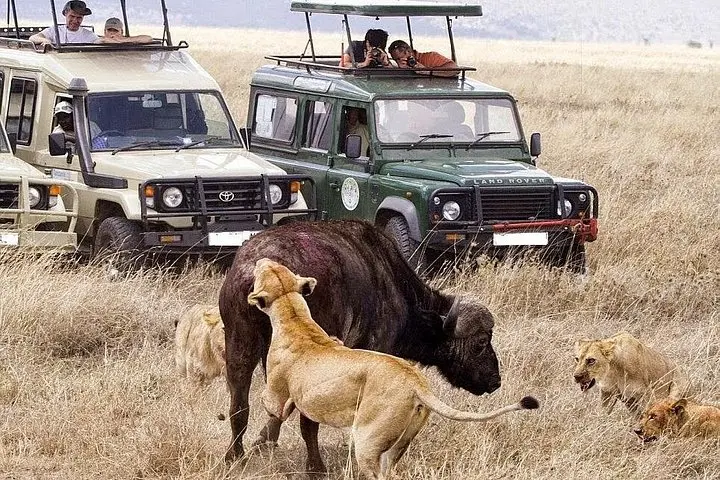
On safari, the rhythm is slow and deliberate: dawn drives, siesta heat, late‑afternoon stalking when lions wake and elephants amble to water. Guides read the land the way a reader scans a page — spoor, shade lines, the way the grass parts. Then the mountain requires a different cadence. Machame is steep and varied: montane forest that muffles footsteps, moorland with lobelia and giant heathers, alpine desert that tests lungs and resolve. The summit is 5,895 m; most parties take six days on Machame to push altitude safely and improve summit odds.
Practical edge: expect long drives between parks in private vehicles, multiple lodge and tented‑camp stays, and full board during safari days. On Kilimanjaro you’ll hike 5–6 hours most days, with the summit push overnight from Barafu to Uhuru Peak. Pack layers, a quality sleeping bag (rated to -10°C for summit nights), and boots you’ve already broken in.
Health and logistics matter: acclimatization and pacing beat speed; hydration and regular salty snacks stabilize you at altitude. Vaccinations and a valid visa are necessary for many nationalities; travel insurance with mountain rescue and evacuation coverage is essential for the Kilimanjaro segment. Finally, budget for park fees, tipping mountain crew and guides, and leave extra room in your itinerary for traffic or border delays — the landscape rarely adheres to a strict schedule, but that’s part of the reward.
No technical climbing is required on the Machame route, but previous multi‑day trekking experience and good cardiovascular fitness improve your chances.
Yellow fever vaccination is required if arriving from some countries; routine vaccines and malaria prophylaxis are commonly recommended — consult a travel clinic for personalized advice.
Summit temperatures can fall below -10°C at night; high camps are cold and wind can make conditions feel much colder, so bring proper insulated gear.
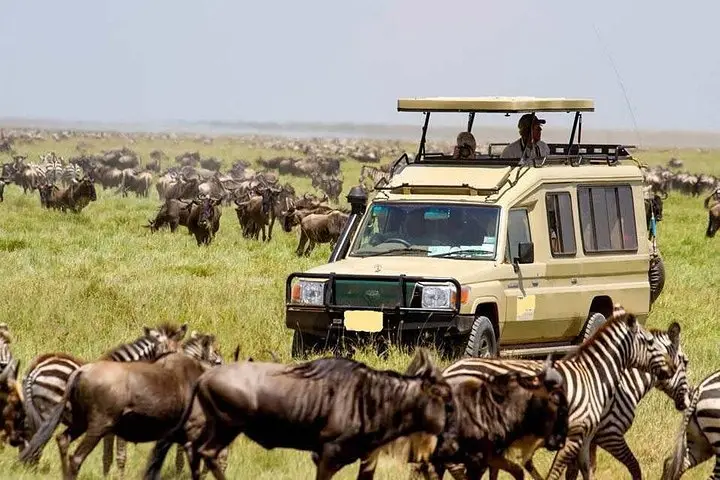
The route through Maasai Mara and Serengeti covers core migration areas; sightings depend on timing and seasonal movement, but game density is consistently high.
Tipping is customary: for mountain crews budget roughly $200–$300 per climber for the entire Kilimanjaro team; safari guides and lodge staff typically receive modest daily amounts.
Yes — operators provide meals across lodges and camps and can usually accommodate dietary restrictions if informed in advance during booking.
Gracepatt Safaris operates guided outdoor trips and adventures with an emphasis on safety, stewardship, and memorable experiences.
The trip begins before sunrise, when Nairobi’s traffic thins and the air takes on a dry, warm edge. You climb into a private vehicle and trade the city’s pulse for the wide, restless horizon of the Rift Valley — and the easy hunger of the savannah. In one sweep this 21‑day route moves from Lake Naivasha’s papyrus edges to morning game drives in the Maasai Mara and Serengeti, then up the forested flanks of Mount Kilimanjaro via the Machame Route, finally dissolving into the turquoise shallows of Diani Beach.
The trip begins before sunrise, when Nairobi’s traffic thins and the air takes on a dry, warm edge. You climb into a private vehicle and trade the city’s pulse for the wide, restless horizon of the Rift Valley — and the easy hunger of the savannah. In one sweep this 21‑day route moves from Lake Naivasha’s papyrus edges to morning game drives in the Maasai Mara and Serengeti, then up the forested flanks of Mount Kilimanjaro via the Machame Route, finally dissolving into the turquoise shallows of Diani Beach.
Geology and history thread through every day. The Great Rift Valley is a scar of continental plates; its lakes and escarpments feed a mosaic of ecosystems that support the Big Five. Kilimanjaro is a stratovolcano whose layered cones — Kibo, Mawenzi, Shira — are shaped by ancient eruptions and modern glaciers. Culturally, Maasai villages punctuate the plains; their pastoral economy and beadwork have long defined human life here, while coastal Swahili towns on the Indian Ocean recall centuries of trade with Arabia and Asia.
On safari, the rhythm is slow and deliberate: dawn drives, siesta heat, late‑afternoon stalking when lions wake and elephants amble to water. Guides read the land the way a reader scans a page — spoor, shade lines, the way the grass parts. Then the mountain requires a different cadence. Machame is steep and varied: montane forest that muffles footsteps, moorland with lobelia and giant heathers, alpine desert that tests lungs and resolve. The summit is 5,895 m; most parties take six days on Machame to push altitude safely and improve summit odds.
Practical edge: expect long drives between parks in private vehicles, multiple lodge and tented‑camp stays, and full board during safari days. On Kilimanjaro you’ll hike 5–6 hours most days, with the summit push overnight from Barafu to Uhuru Peak. Pack layers, a quality sleeping bag (rated to -10°C for summit nights), and boots you’ve already broken in.
Health and logistics matter: acclimatization and pacing beat speed; hydration and regular salty snacks stabilize you at altitude. Vaccinations and a valid visa are necessary for many nationalities; travel insurance with mountain rescue and evacuation coverage is essential for the Kilimanjaro segment. Finally, budget for park fees, tipping mountain crew and guides, and leave extra room in your itinerary for traffic or border delays — the landscape rarely adheres to a strict schedule, but that’s part of the reward.