THE ADVENTURE COLLECTIVE® · Independent discovery and booking for outdoor travel

A 25‑day, 300‑hour advanced yoga teacher training in Kathmandu that pairs long daily practice with study of anatomy, alignment and yoga philosophy. Ideal for committed practitioners seeking a rigorous, credentialed path.
A 25‑day, 300‑hour advanced yoga teacher training in Kathmandu that pairs long daily practice with study of anatomy, alignment and yoga philosophy. Ideal for committed practitioners seeking a rigorous, credentialed path.
Morning light spills across a tiled courtyard as a bell marks the first pranayama session — you move from breath to posture while the city hums beyond the compound walls.
Verified experiences and guided adventures in the surrounding area.
Operated by Nepal Yoga Home · Kathmandu, Bagmati Province
Morning light spills across a tiled courtyard as a bell marks the first pranayama session — you move from breath to posture while the city hums beyond the compound walls.
Set in the heart of Kathmandu Valley, this 25‑day, 300‑hour advanced YTT places long practice days against a backdrop of temple roofs, narrow lanes, and the valley’s bowl-shaped geology carved by rivers and uplift. The region’s history is visible in Newar brickwork, Kathmandu’s living culture of festivals and sacred sites, and a lineage of contemplative practice that has attracted students for generations.
Training blends classical texts, anatomy, alignment and advanced asana with modern teaching pedagogy. Expect sustained daily practice (roughly 7:00–19:00 most days), lecture hours on anatomy and philosophy, pranayama and meditation blocks, and supervised teaching labs. Meals provided are typically fresh, plant-forward Nepali fare suited to sustained practice.
Practical guidance: arrive rested and with a passport and visa in order; plan for busy days and modest accommodation; bring a durable travel mat and layers for variable mornings. Hydrate actively — Kathmandu’s elevation (~1,400 m) can amplify fatigue — and build in short naps or restorative sessions on the weekly rest day.
This program is intensive: it deepens personal practice and prepares instructors to lead advanced classes, but it also demands mental focus and steady physical conditioning. Expect transformation through disciplined routine, steady instruction, and the everyday rhythms of a city that keeps one foot in the sacred and one in the present.
This advanced 300‑hour course expects solid prior practice and most participants hold a foundational 200‑hour certificate, but admission is often based on demonstrated experience rather than a specific credential.
The program lists meals as included (breakfast, lunch, dinner) and typically offers on‑site or nearby accommodation — confirm specifics with the provider before booking.
Expect morning pranayama and asana, midday lectures on anatomy or philosophy, afternoon labs and supervised teaching; classes often run from about 7:00 to 19:00 with one rest day per week.
The course description states Yoga Alliance accreditation for the 300‑hour program; verify current registration and certificate issuance with the school before enrollment.
Nepal Yoga Home operates guided outdoor trips and adventures with an emphasis on safety, stewardship, and memorable experiences.
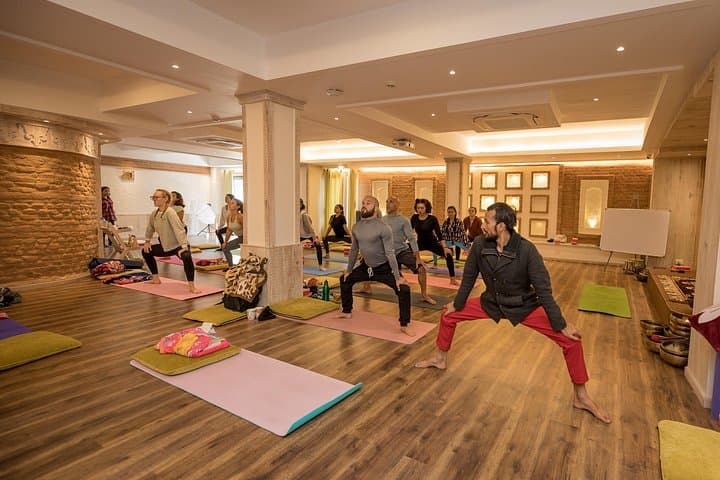
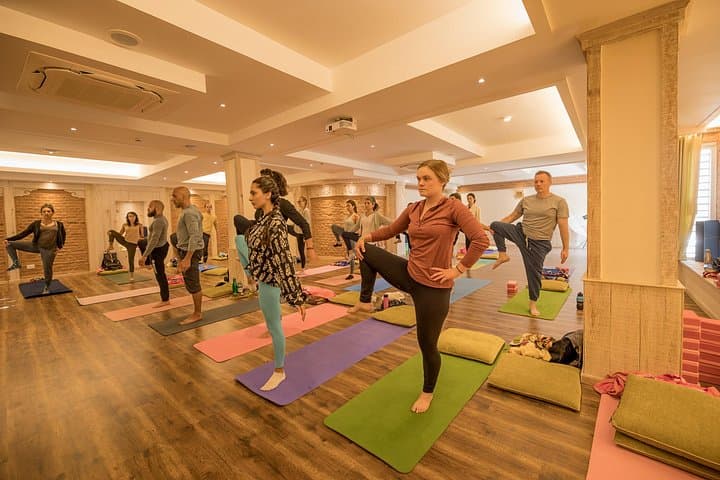
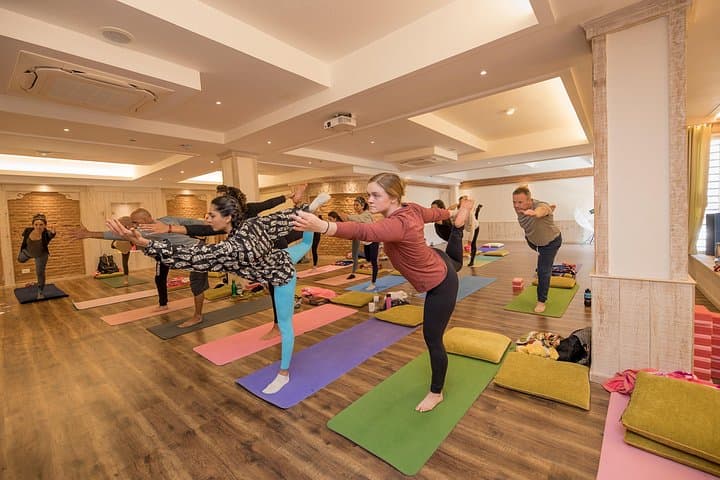
Morning light spills across a tiled courtyard as a bell marks the first pranayama session — you move from breath to posture while the city hums beyond the compound walls.
Morning light spills across a tiled courtyard as a bell marks the first pranayama session — you move from breath to posture while the city hums beyond the compound walls.
Set in the heart of Kathmandu Valley, this 25‑day, 300‑hour advanced YTT places long practice days against a backdrop of temple roofs, narrow lanes, and the valley’s bowl-shaped geology carved by rivers and uplift. The region’s history is visible in Newar brickwork, Kathmandu’s living culture of festivals and sacred sites, and a lineage of contemplative practice that has attracted students for generations.
Training blends classical texts, anatomy, alignment and advanced asana with modern teaching pedagogy. Expect sustained daily practice (roughly 7:00–19:00 most days), lecture hours on anatomy and philosophy, pranayama and meditation blocks, and supervised teaching labs. Meals provided are typically fresh, plant-forward Nepali fare suited to sustained practice.
Practical guidance: arrive rested and with a passport and visa in order; plan for busy days and modest accommodation; bring a durable travel mat and layers for variable mornings. Hydrate actively — Kathmandu’s elevation (~1,400 m) can amplify fatigue — and build in short naps or restorative sessions on the weekly rest day.
This program is intensive: it deepens personal practice and prepares instructors to lead advanced classes, but it also demands mental focus and steady physical conditioning. Expect transformation through disciplined routine, steady instruction, and the everyday rhythms of a city that keeps one foot in the sacred and one in the present.