THE ADVENTURE COLLECTIVE® · Independent discovery and booking for outdoor travel

A compact 2-day itinerary that threads ancient capitals, bamboo-boat caves and a monumental pagoda across Ninh Binh’s karst plains. Expect flat river passages, a steep 500-step viewpoint climb, homestay nights, and two hours of world-class cave boating.
A compact 2-day itinerary that threads ancient capitals, bamboo-boat caves and a monumental pagoda across Ninh Binh’s karst plains. Expect flat river passages, a steep 500-step viewpoint climb, homestay nights, and two hours of world-class cave boating.
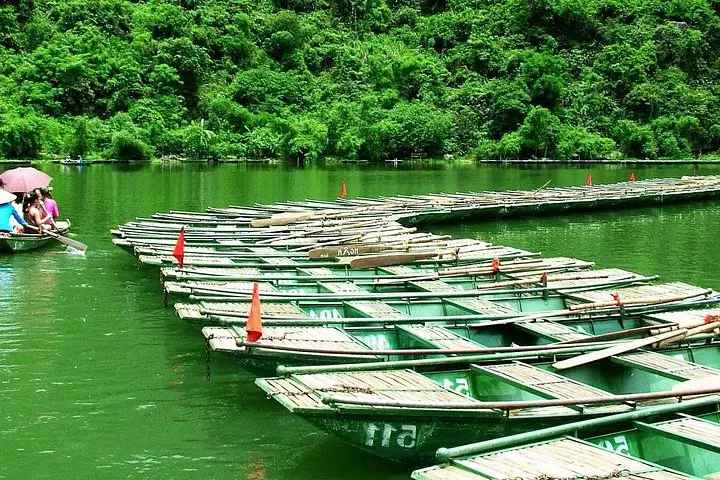
Dawn breaks across flooded rice paddies and limestone towers; river water threads through caves and the boat moves forward as if reading the valley. Travelers step from an air-conditioned minibus into a scene carved by water and time — low, bright fields framed by karst cliffs that rise like deliberate cliffs from flat land.
Verified experiences and guided adventures in the surrounding area.
Operated by Grayline Vietnam Threeland Travel · Ninh Binh, Ninh Binh
Dawn breaks across flooded rice paddies and limestone towers; river water threads through caves and the boat moves forward as if reading the valley. Travelers step from an air-conditioned minibus into a scene carved by water and time — low, bright fields framed by karst cliffs that rise like deliberate cliffs from flat land.
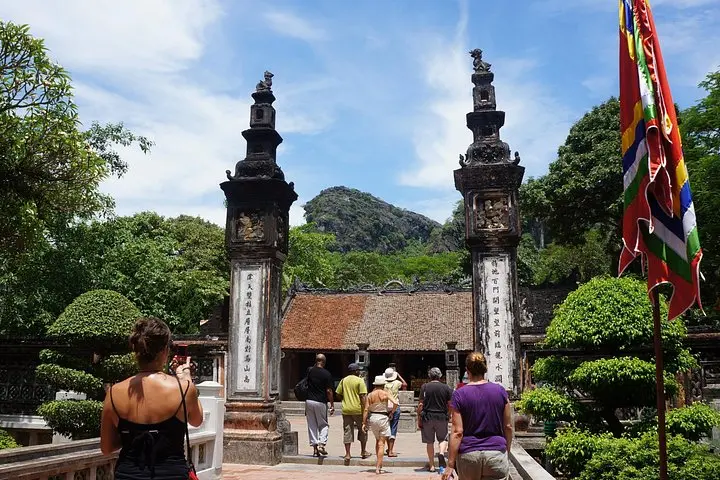
This route follows Vietnam’s ancient capital at Hoa Lu, where 10th–11th century dynasties left temples and stone inscriptions. The karst landscape is younger geologically but older in presence — soluble limestone shaped into caves, tunnels, and the blind valleys that make Tam Coc and Trang An navigable by bamboo boat. Bai Dinh’s modern pagoda complex contrasts with the quiet of village life; here local culture mixes pilgrimage, rice farming, and hospitality in homestays.
Over two days expect a 1.5-hour bamboo-boat glide through Tam Coc’s cave system, a 45-minute village cycle, and a climb of roughly 500 stone steps at Mua Cave for a panoramic sweep of the valley. Day two opens with Bai Dinh’s monumental shrines and a longer 2–2.5 hour Trang An boat loop through UNESCO-protected tunnels. Terrain is mostly flat rivers and paved roads, with the single strenuous ascent at Mua.
Practical tips: wear sturdy walking shoes and sun protection, carry at least 1–1.5 liters of water, and bring cash for small vendors. Time visits early to avoid mid-day crowds and heat. Respect pagoda dress codes (shoulders and knees covered) and keep boat trash-free — these landscapes are both scenic and culturally sensitive.
The climb is steep but short — expect several flights of stone steps; take breaks and wear proper shoes. Most people with average fitness complete it in 20–40 minutes round trip.
Boats are traditionally rowed by local oarspeople using their feet in Tam Coc and by hand in parts of Trang An, offering calm, close-up views of caves and cliffs.
Yes — the complex is family-friendly but large; plan for walking and use shaded breaks. Modest dress is required in worship areas.
Vietnamese dong is preferred for small purchases and tips; ATMs are in Ninh Binh and major towns, but some homestays and stalls may accept cash only.
Grayline Vietnam Threeland Travel operates guided outdoor trips and adventures with an emphasis on safety, stewardship, and memorable experiences.


Dawn breaks across flooded rice paddies and limestone towers; river water threads through caves and the boat moves forward as if reading the valley. Travelers step from an air-conditioned minibus into a scene carved by water and time — low, bright fields framed by karst cliffs that rise like deliberate cliffs from flat land.
Dawn breaks across flooded rice paddies and limestone towers; river water threads through caves and the boat moves forward as if reading the valley. Travelers step from an air-conditioned minibus into a scene carved by water and time — low, bright fields framed by karst cliffs that rise like deliberate cliffs from flat land.
This route follows Vietnam’s ancient capital at Hoa Lu, where 10th–11th century dynasties left temples and stone inscriptions. The karst landscape is younger geologically but older in presence — soluble limestone shaped into caves, tunnels, and the blind valleys that make Tam Coc and Trang An navigable by bamboo boat. Bai Dinh’s modern pagoda complex contrasts with the quiet of village life; here local culture mixes pilgrimage, rice farming, and hospitality in homestays.
Over two days expect a 1.5-hour bamboo-boat glide through Tam Coc’s cave system, a 45-minute village cycle, and a climb of roughly 500 stone steps at Mua Cave for a panoramic sweep of the valley. Day two opens with Bai Dinh’s monumental shrines and a longer 2–2.5 hour Trang An boat loop through UNESCO-protected tunnels. Terrain is mostly flat rivers and paved roads, with the single strenuous ascent at Mua.
Practical tips: wear sturdy walking shoes and sun protection, carry at least 1–1.5 liters of water, and bring cash for small vendors. Time visits early to avoid mid-day crowds and heat. Respect pagoda dress codes (shoulders and knees covered) and keep boat trash-free — these landscapes are both scenic and culturally sensitive.