THE ADVENTURE COLLECTIVE® · Independent discovery and booking for outdoor travel

A compact, three-day circuit from Accra to Cape Coast and Kumasi that pairs sobering history at coastal castles with an adrenaline-tinged canopy walk and hands-on Ashanti craft experiences. Expect long drives, steep forest approaches and culturally rich encounters.
A compact, three-day circuit from Accra to Cape Coast and Kumasi that pairs sobering history at coastal castles with an adrenaline-tinged canopy walk and hands-on Ashanti craft experiences. Expect long drives, steep forest approaches and culturally rich encounters.
You step off the road near the Atlantic and the air shifts—salty breath, gull calls and the black stone of a European fort that has watched centuries pass. The first day places you inside Elmina and Cape Coast castles, rooms where the arc of history is both visible and heavy. By midday the forest of Kakum lifts you out of the heat on a suspended walkway, forty metres above a green hush that dares you to keep moving.
Verified experiences and guided adventures in the surrounding area.
Operated by Bilson Tours Gh · Accra, Greater Accra Region
You step off the road near the Atlantic and the air shifts—salty breath, gull calls and the black stone of a European fort that has watched centuries pass. The first day places you inside Elmina and Cape Coast castles, rooms where the arc of history is both visible and heavy. By midday the forest of Kakum lifts you out of the heat on a suspended walkway, forty metres above a green hush that dares you to keep moving.
This three-day loop traces Ghana’s layered story: Portuguese and British trading posts from the 16th century, coastal forts central to the Atlantic slave trade, and inland Ashanti towns where kente and Adinkra symbols carry encoded meaning. Geologically the coast is a narrow band of sedimentary rock and sandy beaches; inland, lateritic soils feed dense tropical rainforest and the managed farmlands around Kumasi and cocoa plantations.
Culturally the trip balances museums and monuments in Accra—the National Museum, Du Bois Centre, and Independence Square—with hands-on craft: Adinkra stamping, kente weaving, and a naming ceremony in Adanwomase tailored for African diaspora visitors. Between culture stops you’ll glide on the Volta at Senchi, watching the river widen into one of the world’s large man-made lakes.
Practical guidance: expect multiple short walks, stairs and a steep approach to the canopy walk, plus heat and sun. Carry local currency (GHS), insect repellent, a sun hat, comfortable walking shoes, and modest clothing for sacred sites. Plan for early starts to avoid midday heat and factor in transport time—drives between Accra, Cape Coast and Kumasi take several hours. Respect museum rules and local customs when photographing or attending naming ceremonies.
The tour includes entrance fees, private transfers and three lunches as stated—confirm details at booking for any optional extras.
The canopy walk sits roughly 40 metres above the forest floor; the approach is steep and it’s not recommended for very young children, people with severe mobility limits or those afraid of heights.
The naming ceremony is designed especially for visitors of African descent but participation policies depend on local hosts—ask your operator when booking about eligibility and what to expect.
This itinerary is not recommended for pregnant travelers due to long drives, steep walks and the canopy experience.
Bilson Tours Gh operates guided outdoor trips and adventures with an emphasis on safety, stewardship, and memorable experiences.
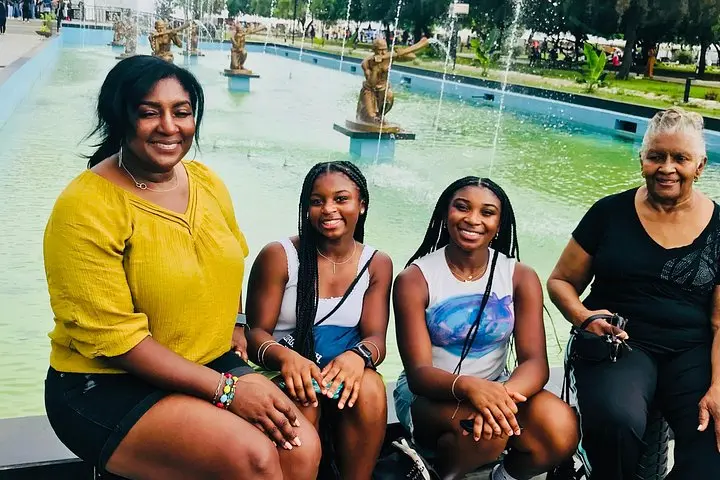
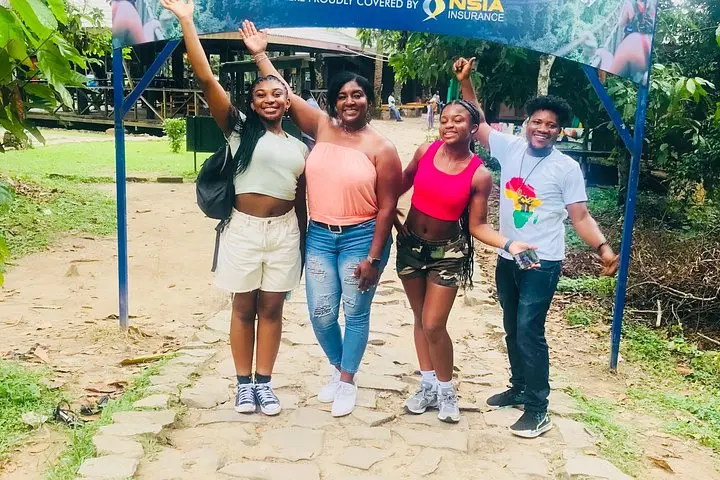
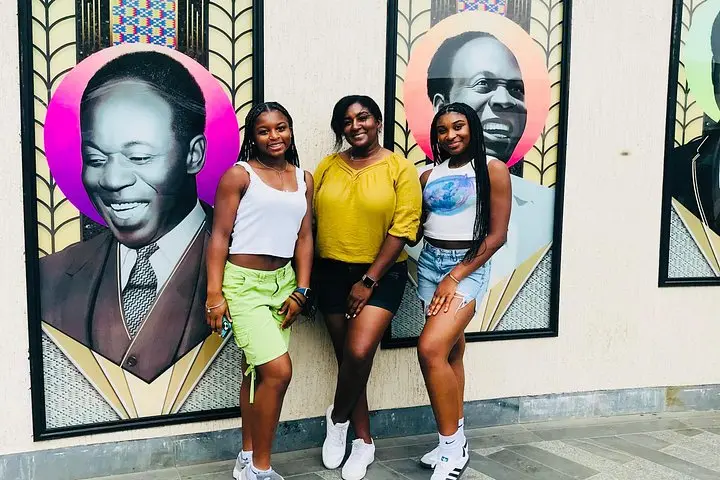
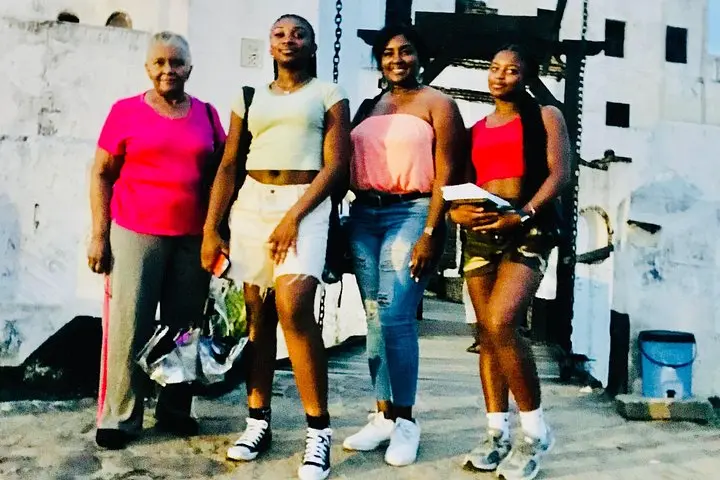
You step off the road near the Atlantic and the air shifts—salty breath, gull calls and the black stone of a European fort that has watched centuries pass. The first day places you inside Elmina and Cape Coast castles, rooms where the arc of history is both visible and heavy. By midday the forest of Kakum lifts you out of the heat on a suspended walkway, forty metres above a green hush that dares you to keep moving.
You step off the road near the Atlantic and the air shifts—salty breath, gull calls and the black stone of a European fort that has watched centuries pass. The first day places you inside Elmina and Cape Coast castles, rooms where the arc of history is both visible and heavy. By midday the forest of Kakum lifts you out of the heat on a suspended walkway, forty metres above a green hush that dares you to keep moving.
This three-day loop traces Ghana’s layered story: Portuguese and British trading posts from the 16th century, coastal forts central to the Atlantic slave trade, and inland Ashanti towns where kente and Adinkra symbols carry encoded meaning. Geologically the coast is a narrow band of sedimentary rock and sandy beaches; inland, lateritic soils feed dense tropical rainforest and the managed farmlands around Kumasi and cocoa plantations.
Culturally the trip balances museums and monuments in Accra—the National Museum, Du Bois Centre, and Independence Square—with hands-on craft: Adinkra stamping, kente weaving, and a naming ceremony in Adanwomase tailored for African diaspora visitors. Between culture stops you’ll glide on the Volta at Senchi, watching the river widen into one of the world’s large man-made lakes.
Practical guidance: expect multiple short walks, stairs and a steep approach to the canopy walk, plus heat and sun. Carry local currency (GHS), insect repellent, a sun hat, comfortable walking shoes, and modest clothing for sacred sites. Plan for early starts to avoid midday heat and factor in transport time—drives between Accra, Cape Coast and Kumasi take several hours. Respect museum rules and local customs when photographing or attending naming ceremonies.