THE ADVENTURE COLLECTIVE® · Independent discovery and booking for outdoor travel

Set out from Nairobi for three days of classic game drives in the Masai Mara. Expect Big Five sightings, river crossings during migration season, lodge evenings, and a practical rhythm of dawn and dusk drives.
Set out from Nairobi for three days of classic game drives in the Masai Mara. Expect Big Five sightings, river crossings during migration season, lodge evenings, and a practical rhythm of dawn and dusk drives.
Morning light breaks over the Rift Valley as your convoy rolls out of Nairobi, the road dipping and rising across scarred escarpments until the Mara’s grasslands open like a living map.
Verified experiences and guided adventures in the surrounding area.
Operated by Yuyi Africa · Nairobi, Narok County
Morning light breaks over the Rift Valley as your convoy rolls out of Nairobi, the road dipping and rising across scarred escarpments until the Mara’s grasslands open like a living map.
This three-day safari centers on the Masai Mara National Reserve, carved where the Great Rift Valley meets rolling plains. Geology here is recent in deep time — volcanic ash and rift activity created the broad, fertile basins that feed sweeping grasslands. The Maasai people have grazed these slopes for generations; their culture remains visible in villages, beadwork, and the daily rhythm of cattle and song.
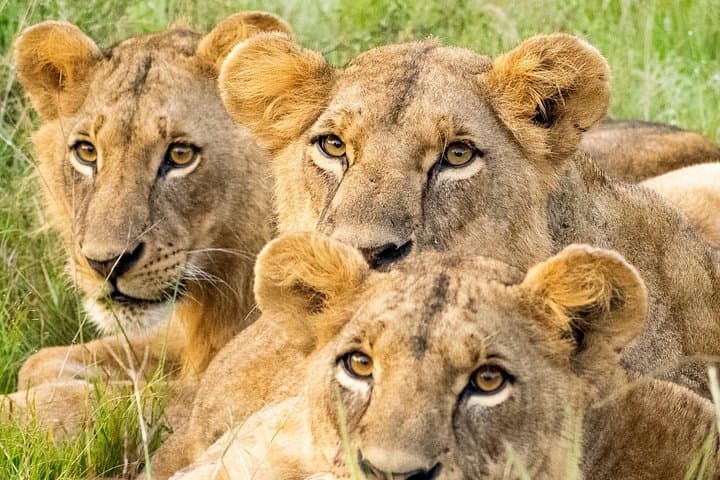
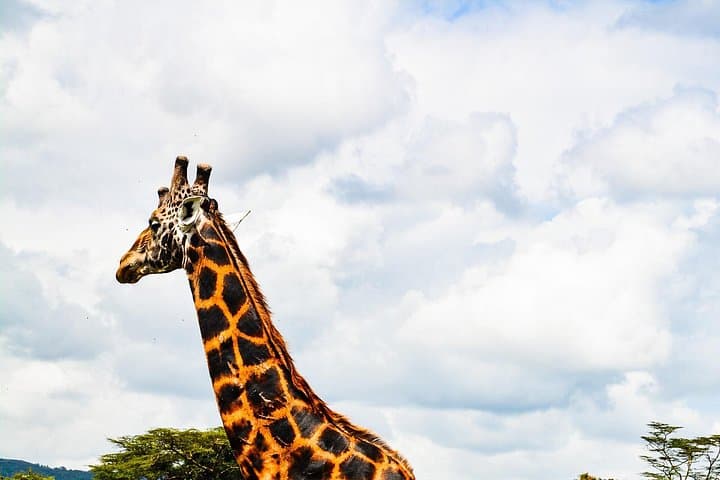
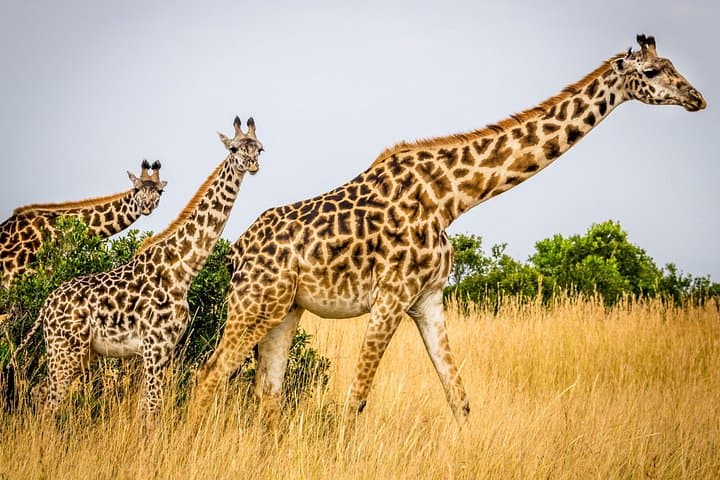
Wildlife dominates the days: dawn and dusk game drives search for the Big Five, while full-day drives follow river crossings where wildebeest and zebra funnel through crocodile-studded water. Nights are simple and quiet at Enkorok Mara Lodge, where staff trade stories and moonlight traces the silhouettes of acacia trees.
Practical guidance: expect roughly a 5–6 hour drive from Nairobi, with dusty roads and multiple stops. Bring binoculars and a telephoto lens, layer for cold mornings and hot afternoons, and carry at least 2 liters of water for game drives. Vehicles are 4x4 Land Cruisers with roof hatches for viewing; be prepared to climb in and out repeatedly and to sit for extended hours. Respect Maasai villages — ask before photographing and follow guide directions when approaching wildlife.
Timing matters: peak migration viewing is typically July–October; the long rains are March–May. Pack sunscreen, mosquito repellent, and a flexible spirit — the Mara rewards patience with close encounters and wide, indelible horizons.
Expect roughly 5–6 hours by road depending on traffic and stops; the itinerary typically departs early to arrive in time for lunch and an afternoon game drive.
Peak river crossings in the Masai Mara usually occur between July and October, though herds move seasonally and exact timing varies year to year.
Yes — vehicles are modified 4x4 Land Cruisers with roof hatches for viewing and lodges like Enkorok offer comfortable rooms; consult the operator about infant seats and mobility needs.
Carry antimalarial medication if advised by your physician, up-to-date routine vaccinations, insect repellent, and a basic first-aid kit; drinking water is provided at lodges.
Yuyi Africa operates guided outdoor trips and adventures with an emphasis on safety, stewardship, and memorable experiences.

Morning light breaks over the Rift Valley as your convoy rolls out of Nairobi, the road dipping and rising across scarred escarpments until the Mara’s grasslands open like a living map.
Morning light breaks over the Rift Valley as your convoy rolls out of Nairobi, the road dipping and rising across scarred escarpments until the Mara’s grasslands open like a living map.
This three-day safari centers on the Masai Mara National Reserve, carved where the Great Rift Valley meets rolling plains. Geology here is recent in deep time — volcanic ash and rift activity created the broad, fertile basins that feed sweeping grasslands. The Maasai people have grazed these slopes for generations; their culture remains visible in villages, beadwork, and the daily rhythm of cattle and song.
Wildlife dominates the days: dawn and dusk game drives search for the Big Five, while full-day drives follow river crossings where wildebeest and zebra funnel through crocodile-studded water. Nights are simple and quiet at Enkorok Mara Lodge, where staff trade stories and moonlight traces the silhouettes of acacia trees.
Practical guidance: expect roughly a 5–6 hour drive from Nairobi, with dusty roads and multiple stops. Bring binoculars and a telephoto lens, layer for cold mornings and hot afternoons, and carry at least 2 liters of water for game drives. Vehicles are 4x4 Land Cruisers with roof hatches for viewing; be prepared to climb in and out repeatedly and to sit for extended hours. Respect Maasai villages — ask before photographing and follow guide directions when approaching wildlife.
Timing matters: peak migration viewing is typically July–October; the long rains are March–May. Pack sunscreen, mosquito repellent, and a flexible spirit — the Mara rewards patience with close encounters and wide, indelible horizons.