THE ADVENTURE COLLECTIVE® · Independent discovery and booking for outdoor travel

Spend three days inside Tambopata’s protected forest at Inkaterra’s Amazon Field Station: canopy bridges, night river cruises, and Lake Sandoval canoeing offer concentrated wildlife encounters and scientific-focused interpretation. This guide covers what to expect and how to prepare.
Spend three days inside Tambopata’s protected forest at Inkaterra’s Amazon Field Station: canopy bridges, night river cruises, and Lake Sandoval canoeing offer concentrated wildlife encounters and scientific-focused interpretation. This guide covers what to expect and how to prepare.
You step off a motor canoe as the Madre de Dios slips away behind you; the humid air presses close and the forest answers with the sharp calls of macaws and the distant roll of howler monkeys. A narrow boardwalk leads into the Inkaterra Amazon Field Station, where wooden pavilions and raised trails thread between buttressed trees and the canopy stretches out like a living roof.
Verified experiences and guided adventures in the surrounding area.
Operated by VIPAC Travel · Puerto Maldonado, Madre de Dios
You step off a motor canoe as the Madre de Dios slips away behind you; the humid air presses close and the forest answers with the sharp calls of macaws and the distant roll of howler monkeys. A narrow boardwalk leads into the Inkaterra Amazon Field Station, where wooden pavilions and raised trails thread between buttressed trees and the canopy stretches out like a living roof.
This corner of southeastern Peru sits inside the Tambopata region, shaped by river sediments and seasonal floods that create oxbow lakes like Sandoval. The area has long been inhabited by riverine communities and is now a focus of conservation research—Inkaterra’s canopy walkway was built for both study and visitor access, offering a rare 42-metre vantage over primary rainforest. Geologically young floodplains support an extraordinary density of species; ornithologists register hundreds of bird species here each year.
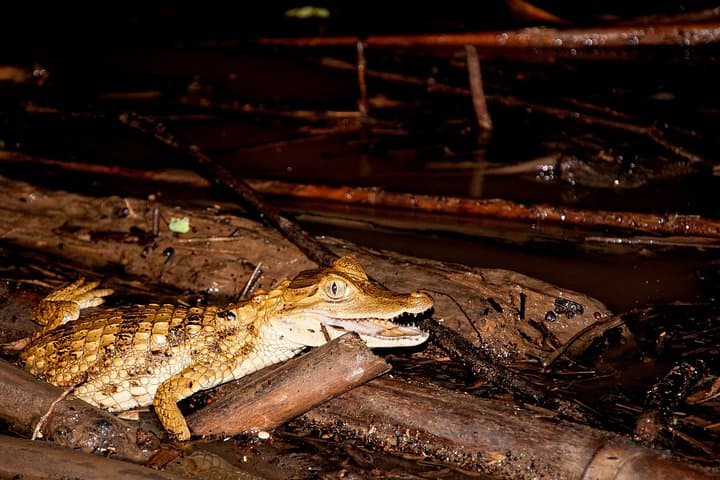
Expect guided day hikes, the canopy walkway’s suspension bridges, a dusk river cruise to seek caimans and nocturnal birds, and a canoe glide on Lake Sandoval to watch giant river otters. Trails are soft, often muddy, with tree roots and boardwalks; insect activity and humidity are constant companions.
Practical tips: plan for early starts to catch birds, pack quick-dry layers and a reliable headlamp, and use reef-safe insect repellent. Transfers from Puerto Maldonado require a roughly 50-minute river ride—coordinate pickup times carefully. Cellular service is intermittent; bring a physical copy of important documents. Respect wildlife viewing distances, follow guides’ instructions at night, and prepare to move slowly—the forest reveals most of its secrets to patient observers.
Most transfers involve a roughly 50-minute motorized canoe ride along the Madre de Dios River; pickup times coordinate with your lodge arrival so confirm flight times in advance.
Vaccination and prophylaxis depend on personal health and itinerary—consult a travel clinic for current recommendations; carry your vaccination card if required.
The walkway has secure platforms and guided access, but it sits about 42 m above ground; children and anyone with serious vertigo should consult guides and may prefer lower trails.
The trip includes lodge accommodation, meals listed in the itinerary (breakfast, lunch, dinner) and guided activities; confirm specifics and any dietary needs when booking.
VIPAC Travel operates guided outdoor trips and adventures with an emphasis on safety, stewardship, and memorable experiences.
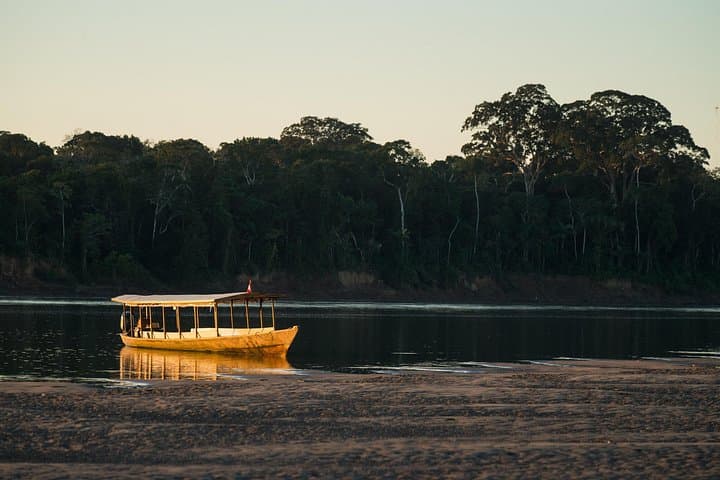
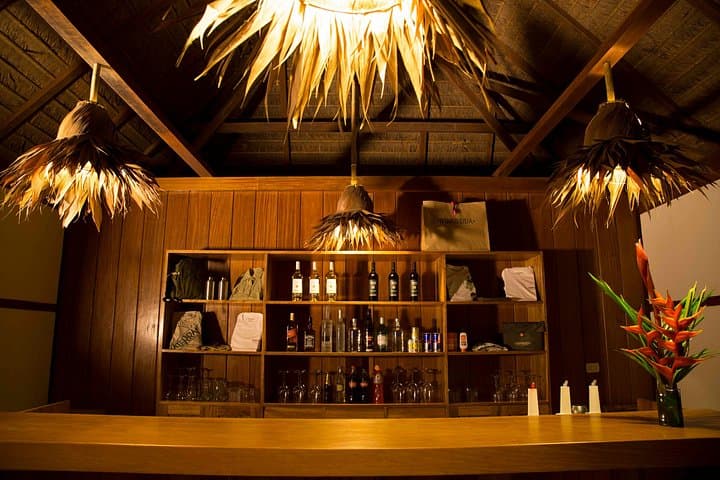
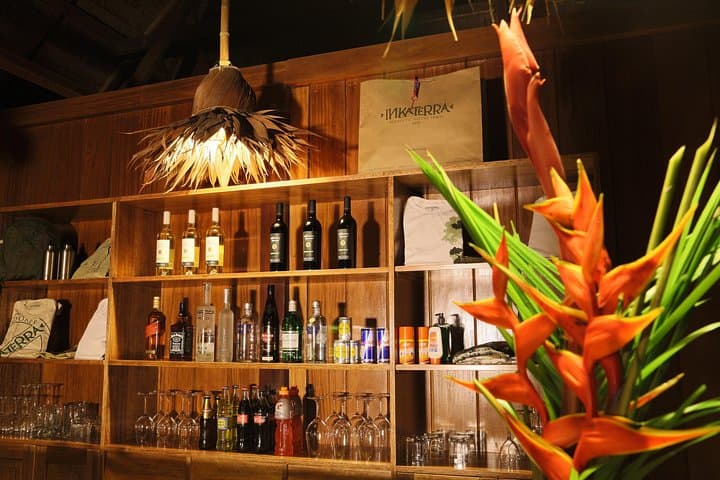
You step off a motor canoe as the Madre de Dios slips away behind you; the humid air presses close and the forest answers with the sharp calls of macaws and the distant roll of howler monkeys. A narrow boardwalk leads into the Inkaterra Amazon Field Station, where wooden pavilions and raised trails thread between buttressed trees and the canopy stretches out like a living roof.
You step off a motor canoe as the Madre de Dios slips away behind you; the humid air presses close and the forest answers with the sharp calls of macaws and the distant roll of howler monkeys. A narrow boardwalk leads into the Inkaterra Amazon Field Station, where wooden pavilions and raised trails thread between buttressed trees and the canopy stretches out like a living roof.
This corner of southeastern Peru sits inside the Tambopata region, shaped by river sediments and seasonal floods that create oxbow lakes like Sandoval. The area has long been inhabited by riverine communities and is now a focus of conservation research—Inkaterra’s canopy walkway was built for both study and visitor access, offering a rare 42-metre vantage over primary rainforest. Geologically young floodplains support an extraordinary density of species; ornithologists register hundreds of bird species here each year.
Expect guided day hikes, the canopy walkway’s suspension bridges, a dusk river cruise to seek caimans and nocturnal birds, and a canoe glide on Lake Sandoval to watch giant river otters. Trails are soft, often muddy, with tree roots and boardwalks; insect activity and humidity are constant companions.
Practical tips: plan for early starts to catch birds, pack quick-dry layers and a reliable headlamp, and use reef-safe insect repellent. Transfers from Puerto Maldonado require a roughly 50-minute river ride—coordinate pickup times carefully. Cellular service is intermittent; bring a physical copy of important documents. Respect wildlife viewing distances, follow guides’ instructions at night, and prepare to move slowly—the forest reveals most of its secrets to patient observers.