THE ADVENTURE COLLECTIVE® · Independent discovery and booking for outdoor travel

A compact, immersive 3-day adventure from Iquitos that combines dawn canoeing, ethnobotanical hikes and community visits. Expect close wildlife encounters, simple lodge stays and river travel through the Nanay, Itaya and Amazon waterways.
A compact, immersive 3-day adventure from Iquitos that combines dawn canoeing, ethnobotanical hikes and community visits. Expect close wildlife encounters, simple lodge stays and river travel through the Nanay, Itaya and Amazon waterways.
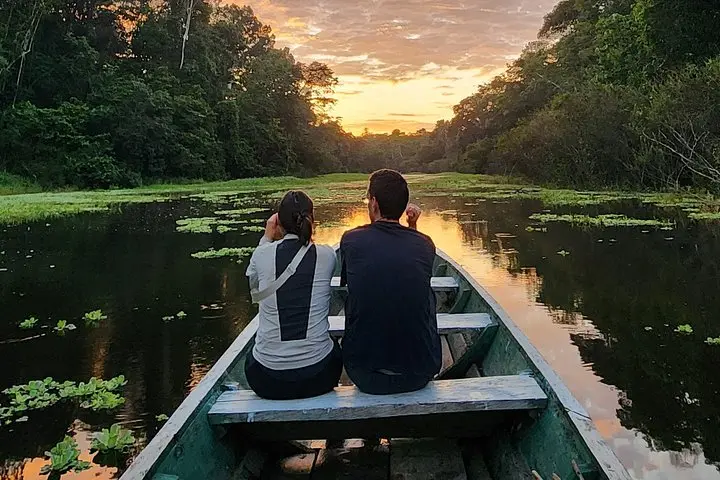
You step off the boat onto a narrow bank where the Yanayacu slips past like a slow-moving highway—water pushing, leaves whispering, the wide Amazon calling beyond the tree line.
Verified experiences and guided adventures in the surrounding area.
Operated by Travel Peru Agency · Iquitos, Loreto
You step off the boat onto a narrow bank where the Yanayacu slips past like a slow-moving highway—water pushing, leaves whispering, the wide Amazon calling beyond the tree line.
Over three days from Iquitos you move between river and forest: dawn canoe runs that glaze the water with light, ethnobotanical walks among ceibas and kapoks, and a night hike when the jungle takes on a different, watchful rhythm. The Nanay, Itaya and Amazon rivers braid local life—fishermen, pink dolphins and riverine communities shaping routines around the tides and fish migrations.
Iquitos itself grew explosively during the rubber boom; remnants of that era still appear in the city’s iron-clad Casa de Fierro and waterfront warehouses. The Yagua people you visit maintain traditional dances, basketry and medicinal knowledge that connect to centuries of Amazonian life. Geologically, the Amazon basin is a low-lying, sediment-rich plain where seasonal flooding transforms forests into labyrinths of channels and varzea islands.
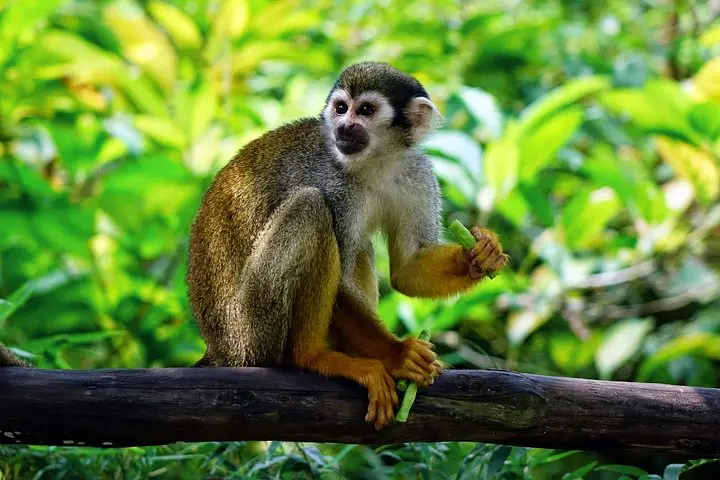
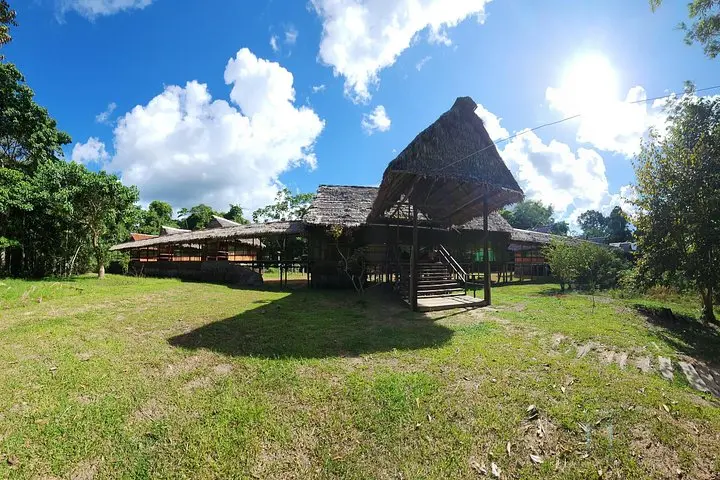
Practical guide: expect long canoe transfers, muddy or flooded trails, and basic lodge accommodations with meals included. Mornings are best for birding and dolphin sightings; afternoons are hot and humid—siesta-friendly. Bring a reliable headlamp for night walks, high-strength insect repellent, fast-drying clothes and waterproof footwear. The itinerary includes piranha fishing, a supervised visit to a monkey rescue center, and an optional camping night (seasonal May–Oct). Guides are bilingual and the tour suits most fitness levels, though stability in a canoe and walking on uneven, wet ground are required.
Leave no trace: pack out plastics, respect wildlife distances, and follow local guide instructions to minimize impact.
Vaccinations such as yellow fever and routine immunizations are commonly recommended for travel to the Peruvian Amazon—check with your healthcare provider well before departure.
The tour is designed for a range of fitness levels; expect canoe travel, short hikes on uneven ground, and standing during wildlife sightings—no technical skills required.
Camping is optional and weather-dependent; it is typically available May–October and the guide will confirm based on conditions and group preference.
Yes—early morning canoe trips and river junctions offer good chances to see pink and gray dolphins, while monkey sightings occur near protected rescue areas and from forest walks, though sightings are never guaranteed.
Travel Peru Agency operates guided outdoor trips and adventures with an emphasis on safety, stewardship, and memorable experiences.

You step off the boat onto a narrow bank where the Yanayacu slips past like a slow-moving highway—water pushing, leaves whispering, the wide Amazon calling beyond the tree line.
You step off the boat onto a narrow bank where the Yanayacu slips past like a slow-moving highway—water pushing, leaves whispering, the wide Amazon calling beyond the tree line.
Over three days from Iquitos you move between river and forest: dawn canoe runs that glaze the water with light, ethnobotanical walks among ceibas and kapoks, and a night hike when the jungle takes on a different, watchful rhythm. The Nanay, Itaya and Amazon rivers braid local life—fishermen, pink dolphins and riverine communities shaping routines around the tides and fish migrations.
Iquitos itself grew explosively during the rubber boom; remnants of that era still appear in the city’s iron-clad Casa de Fierro and waterfront warehouses. The Yagua people you visit maintain traditional dances, basketry and medicinal knowledge that connect to centuries of Amazonian life. Geologically, the Amazon basin is a low-lying, sediment-rich plain where seasonal flooding transforms forests into labyrinths of channels and varzea islands.
Practical guide: expect long canoe transfers, muddy or flooded trails, and basic lodge accommodations with meals included. Mornings are best for birding and dolphin sightings; afternoons are hot and humid—siesta-friendly. Bring a reliable headlamp for night walks, high-strength insect repellent, fast-drying clothes and waterproof footwear. The itinerary includes piranha fishing, a supervised visit to a monkey rescue center, and an optional camping night (seasonal May–Oct). Guides are bilingual and the tour suits most fitness levels, though stability in a canoe and walking on uneven, wet ground are required.
Leave no trace: pack out plastics, respect wildlife distances, and follow local guide instructions to minimize impact.