THE ADVENTURE COLLECTIVE® · Independent discovery and booking for outdoor travel

Three days of river travel, jungle camping and nocturnal wildlife searches from Iquitos to the Yarapa River. Expect early birding, river dolphin sightings, and hands-on survival skills with local guides.
Three days of river travel, jungle camping and nocturnal wildlife searches from Iquitos to the Yarapa River. Expect early birding, river dolphin sightings, and hands-on survival skills with local guides.
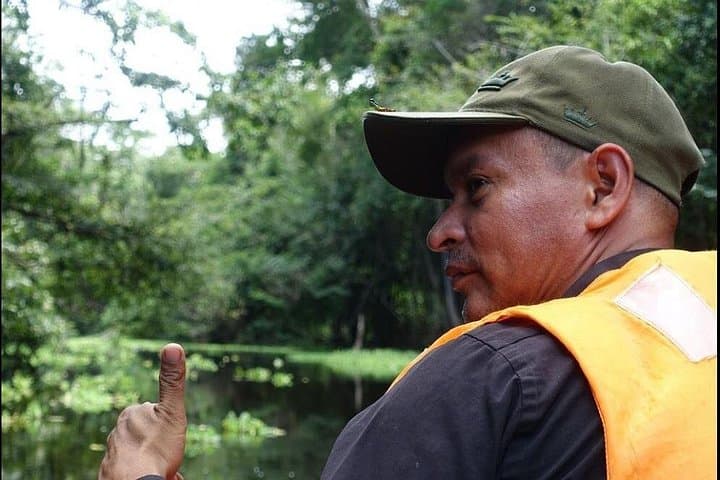
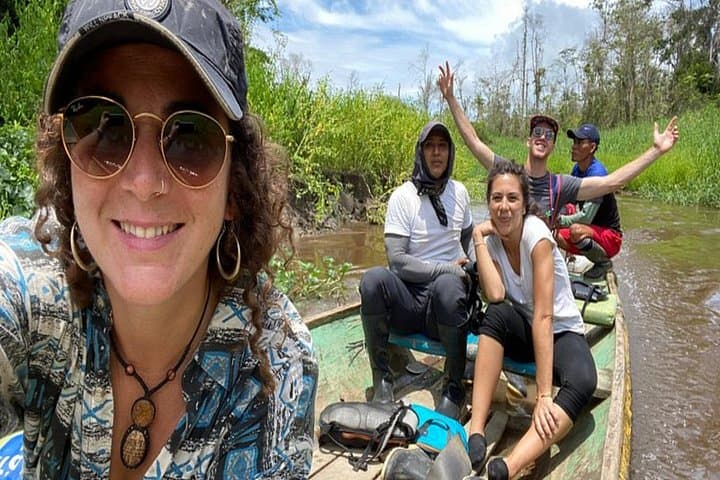
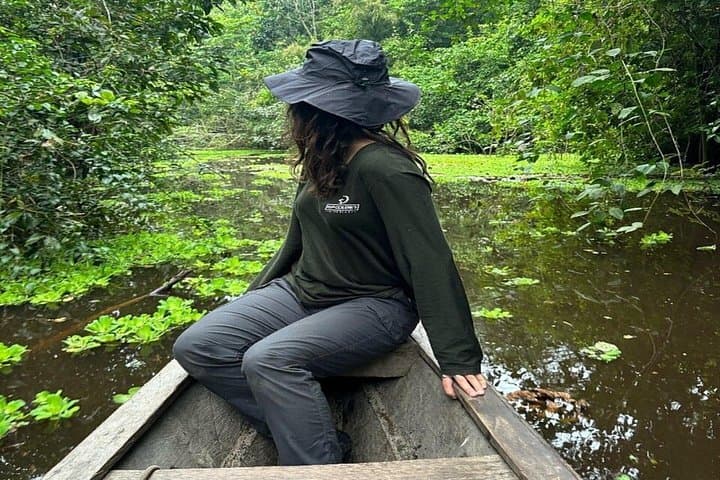
Dawn pulls a slow, humid curtain across the Yarapa River as a motorboat parts the glassy water and drops you into a world where river channels rearrange the map every season. On day one you leave Iquitos by road and boat, slide past the confluence of the Marañón and Ucayali, and enter flooded forest—mangled roots and towering capirona trees crowding the riverbanks while pink river dolphins flicker like living punctuation.
Verified experiences and guided adventures in the surrounding area.
Operated by jimmy jaguar travel · Iquitos, Loreto
Dawn pulls a slow, humid curtain across the Yarapa River as a motorboat parts the glassy water and drops you into a world where river channels rearrange the map every season. On day one you leave Iquitos by road and boat, slide past the confluence of the Marañón and Ucayali, and enter flooded forest—mangled roots and towering capirona trees crowding the riverbanks while pink river dolphins flicker like living punctuation.
This corridor sits on the edge of the Pacaya-Samiria ecosystem, a lowland Amazon basin shaped by seasonal inundation and centuries of indigenous riverine life. Guides here carry both local knowledge and survival skills: how to read channels, recognize tapir signs, and identify macaw roosts that have long marked hunting and fishing calendars for nearby communities.
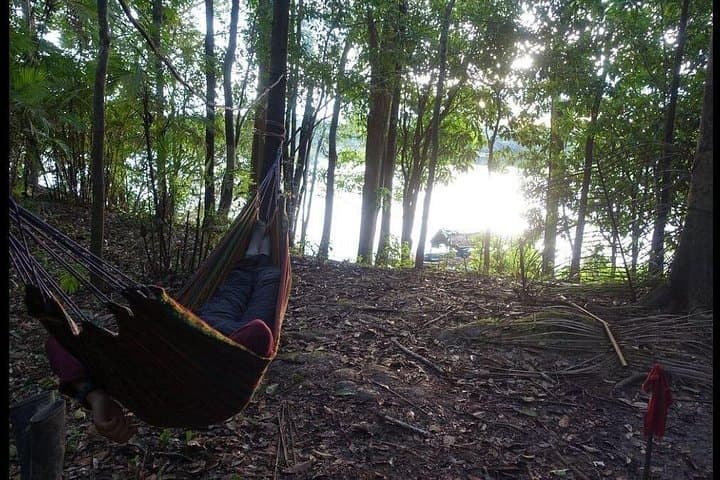
Expect early starts for birding (toucans, macaws), slow daytime hikes in primary forest to search for sloths and iguanas, and nocturnal canoe trips for caiman. Camping along oxbow lakes gives real wilderness exposure—sleep under a pitched tarp while night insects score the air and howler monkeys punctuate the dark.
Practical points: bring a lightweight rain jacket and insect protection, pack everything in dry bags, and plan for uneven, muddy trails and long boat transfers (2–3 hours between towns). Water is plentiful but boil or treat it; guides usually provide meals and basic camp gear. Cell signal is intermittent—treat this as real backcountry travel and follow your guide’s briefings on wildlife safety and low-impact camping. With sturdy footwear and a curious attitude, this 3-day expedition rewards close wildlife encounters and a clear sense of the Amazon’s seasonal pulse.
This is remote jungle travel with limited access to advanced medical care; guides carry first-aid kits and evacuation plans, but travelers should have travel insurance and disclose medical conditions in advance.
Jaguars are present in the region but sightings are rare; your best chances are quiet river edges at dawn/dusk and guided tracking, but encounters are not guaranteed.
Standard recommendations include updating routine vaccines, and consulting a travel clinic about yellow fever and malaria prophylaxis; bring anti-diarrheal meds and water treatment options.
The operator notes this tour is not recommended for pregnant travelers and may have age or mobility restrictions—check booking questions and advise the operator of infants or special needs.
jimmy jaguar travel operates guided outdoor trips and adventures with an emphasis on safety, stewardship, and memorable experiences.
Dawn pulls a slow, humid curtain across the Yarapa River as a motorboat parts the glassy water and drops you into a world where river channels rearrange the map every season. On day one you leave Iquitos by road and boat, slide past the confluence of the Marañón and Ucayali, and enter flooded forest—mangled roots and towering capirona trees crowding the riverbanks while pink river dolphins flicker like living punctuation.
Dawn pulls a slow, humid curtain across the Yarapa River as a motorboat parts the glassy water and drops you into a world where river channels rearrange the map every season. On day one you leave Iquitos by road and boat, slide past the confluence of the Marañón and Ucayali, and enter flooded forest—mangled roots and towering capirona trees crowding the riverbanks while pink river dolphins flicker like living punctuation.
This corridor sits on the edge of the Pacaya-Samiria ecosystem, a lowland Amazon basin shaped by seasonal inundation and centuries of indigenous riverine life. Guides here carry both local knowledge and survival skills: how to read channels, recognize tapir signs, and identify macaw roosts that have long marked hunting and fishing calendars for nearby communities.
Expect early starts for birding (toucans, macaws), slow daytime hikes in primary forest to search for sloths and iguanas, and nocturnal canoe trips for caiman. Camping along oxbow lakes gives real wilderness exposure—sleep under a pitched tarp while night insects score the air and howler monkeys punctuate the dark.
Practical points: bring a lightweight rain jacket and insect protection, pack everything in dry bags, and plan for uneven, muddy trails and long boat transfers (2–3 hours between towns). Water is plentiful but boil or treat it; guides usually provide meals and basic camp gear. Cell signal is intermittent—treat this as real backcountry travel and follow your guide’s briefings on wildlife safety and low-impact camping. With sturdy footwear and a curious attitude, this 3-day expedition rewards close wildlife encounters and a clear sense of the Amazon’s seasonal pulse.