THE ADVENTURE COLLECTIVE® · Independent discovery and booking for outdoor travel

A three-day private safari that pairs close-up elephant encounters with the chance to see Mount Kilimanjaro from Amboseli’s plains. Private vehicle, professional guides and lodge-based nights make this an efficient, wildlife-forward escape from Nairobi.
A three-day private safari that pairs close-up elephant encounters with the chance to see Mount Kilimanjaro from Amboseli’s plains. Private vehicle, professional guides and lodge-based nights make this an efficient, wildlife-forward escape from Nairobi.
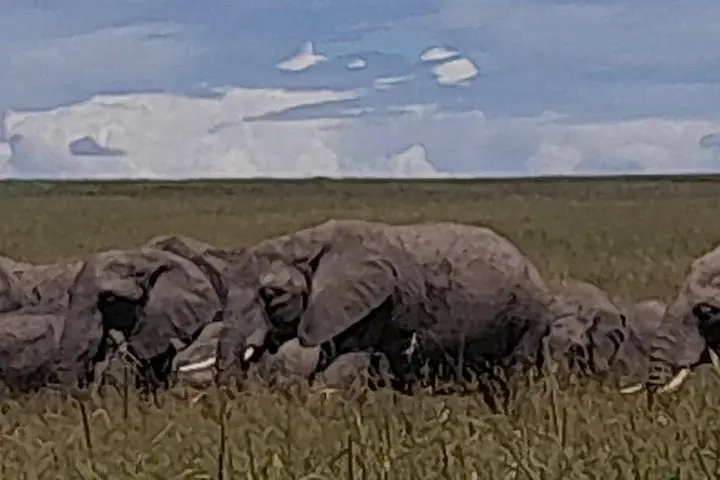
Dust hangs in the air like a slow pulse as the Land Cruiser rumbles onto the dusty track toward Amboseli. Dawn unspools across flat plains; acacia silhouettes sharpen and, beyond them, the fluted cone of Kilimanjaro sometimes appears—its snow-capped crown daring you to look up. Within the hour herds of elephants appear like dark islands, their ears backlit and trunks busy with salt-rich marsh grass.
Verified experiences and guided adventures in the surrounding area.
Operated by Singe Tours and Travel · Amboseli, Kajiado County
Dust hangs in the air like a slow pulse as the Land Cruiser rumbles onto the dusty track toward Amboseli. Dawn unspools across flat plains; acacia silhouettes sharpen and, beyond them, the fluted cone of Kilimanjaro sometimes appears—its snow-capped crown daring you to look up. Within the hour herds of elephants appear like dark islands, their ears backlit and trunks busy with salt-rich marsh grass.
Amboseli National Park is not scenic by accident. This low-lying basin at roughly 1,100 meters elevation is a geological basin fed by old volcanic soils and melt from Kilimanjaro’s northern slopes. Sediment and seasonal wetlands create pockets of lush grazing that draw megafauna and migratory birds. Human history is braided into the landscape; Maasai herders have traversed these plains for generations, and the park itself—established to protect both wildlife and pastoral livelihoods—has been a focal point of conservation and community partnership since the mid-20th century.
Your three-day private safari is built around rhythm: an early wake-up call for the light and the predators, slow midday rests, and long afternoon drives that stretch to a horizon where sky and plain meet. Day one is travel and settling into a camp or lodge near the park gates; day two is the spine of the experience—full-day game drives with options for sunrise runs when Kilimanjaro cooperates; day three offers a short morning drive and the return to Nairobi. Professional driver-guides steer, interpret tracks, and know where the big bulls like to congregate.
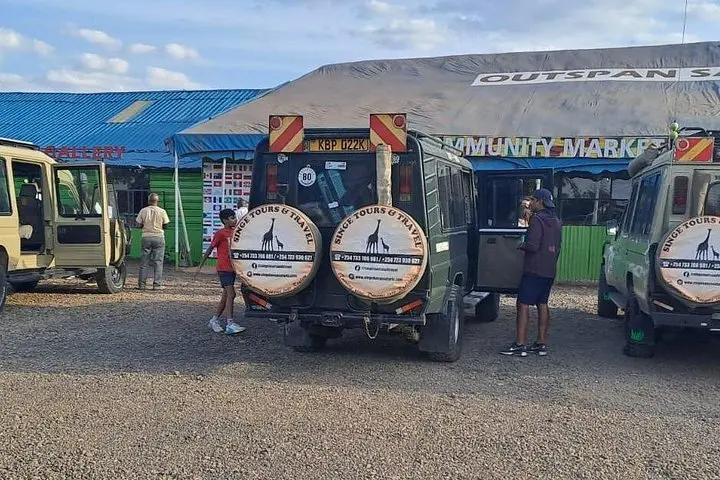
Practical realities matter. The road from Nairobi is about 4–5 hours (roughly 240 km) with paved sections giving way to graded dirt; a high-clearance 4x4 eases the bumps. Weather is variable—dry months mean dust and heat, rains can wash tracks and make game concentrations shift. Basic park logistics are handled by the operator: transport, three meals on the second day, two lunches and dinners, breakfasts, and accommodation are included, but carry cash for optional tips, souvenirs, or community visits. Healthwise, bring malaria prevention, sun protection, and a small day pack for binoculars and water.
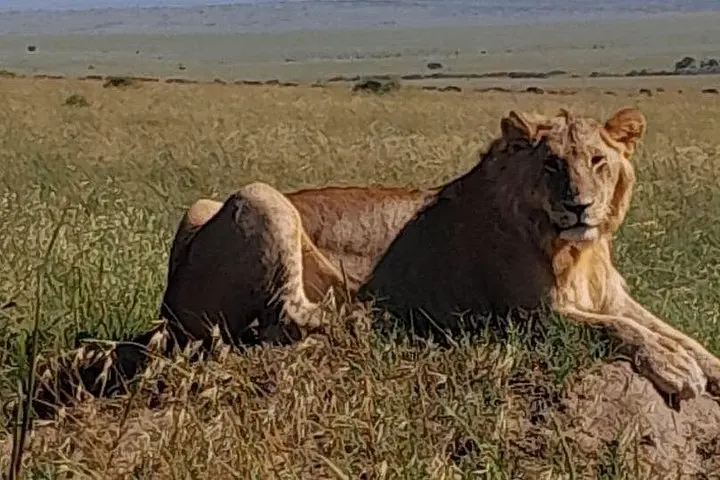
What you’ll remember is simple: the low rumble of elephants crossing swampy flats, the possibility of Kilimanjaro hovering above the mist, and a private vehicle that lets you linger where wildlife allows. This trip rewards patience and presence—move slowly, point your camera, and let the landscape decide when it reveals its best acts.
Amboseli is about 4–5 hours drive from Nairobi (roughly 240 km) depending on traffic and road conditions; many operators offer hotel pickup.
Visibility depends on weather—clear dry-season mornings (June–August, December–February) give the best chances to see Kilimanjaro’s peak from Amboseli.
This tour listing includes transport, some meals, accommodation and game drives; confirm whether park entry fees are covered when booking.
The drive can be bumpy and is not recommended for travelers with serious back issues; infant seats are available but check age policies with the operator.
Yellow fever vaccination may be required based on travel history; malaria prophylaxis and routine vaccinations are recommended—consult your travel clinic.
Many operators offer optional visits to Maasai communities—ask your guide to arrange respectful, fee-based cultural visits that support local initiatives.
Singe Tours and Travel operates guided outdoor trips and adventures with an emphasis on safety, stewardship, and memorable experiences.
Dust hangs in the air like a slow pulse as the Land Cruiser rumbles onto the dusty track toward Amboseli. Dawn unspools across flat plains; acacia silhouettes sharpen and, beyond them, the fluted cone of Kilimanjaro sometimes appears—its snow-capped crown daring you to look up. Within the hour herds of elephants appear like dark islands, their ears backlit and trunks busy with salt-rich marsh grass.
Dust hangs in the air like a slow pulse as the Land Cruiser rumbles onto the dusty track toward Amboseli. Dawn unspools across flat plains; acacia silhouettes sharpen and, beyond them, the fluted cone of Kilimanjaro sometimes appears—its snow-capped crown daring you to look up. Within the hour herds of elephants appear like dark islands, their ears backlit and trunks busy with salt-rich marsh grass.
Amboseli National Park is not scenic by accident. This low-lying basin at roughly 1,100 meters elevation is a geological basin fed by old volcanic soils and melt from Kilimanjaro’s northern slopes. Sediment and seasonal wetlands create pockets of lush grazing that draw megafauna and migratory birds. Human history is braided into the landscape; Maasai herders have traversed these plains for generations, and the park itself—established to protect both wildlife and pastoral livelihoods—has been a focal point of conservation and community partnership since the mid-20th century.
Your three-day private safari is built around rhythm: an early wake-up call for the light and the predators, slow midday rests, and long afternoon drives that stretch to a horizon where sky and plain meet. Day one is travel and settling into a camp or lodge near the park gates; day two is the spine of the experience—full-day game drives with options for sunrise runs when Kilimanjaro cooperates; day three offers a short morning drive and the return to Nairobi. Professional driver-guides steer, interpret tracks, and know where the big bulls like to congregate.
Practical realities matter. The road from Nairobi is about 4–5 hours (roughly 240 km) with paved sections giving way to graded dirt; a high-clearance 4x4 eases the bumps. Weather is variable—dry months mean dust and heat, rains can wash tracks and make game concentrations shift. Basic park logistics are handled by the operator: transport, three meals on the second day, two lunches and dinners, breakfasts, and accommodation are included, but carry cash for optional tips, souvenirs, or community visits. Healthwise, bring malaria prevention, sun protection, and a small day pack for binoculars and water.
What you’ll remember is simple: the low rumble of elephants crossing swampy flats, the possibility of Kilimanjaro hovering above the mist, and a private vehicle that lets you linger where wildlife allows. This trip rewards patience and presence—move slowly, point your camera, and let the landscape decide when it reveals its best acts.