THE ADVENTURE COLLECTIVE® · Independent discovery and booking for outdoor travel

A compact, vehicle-based safari that delivers close encounters with large elephant herds, swamp-dwelling hippos and unforgettable views of Mount Kilimanjaro. Expect early starts, full-day drives and accommodations in small camps near Kimana Gate.
A compact, vehicle-based safari that delivers close encounters with large elephant herds, swamp-dwelling hippos and unforgettable views of Mount Kilimanjaro. Expect early starts, full-day drives and accommodations in small camps near Kimana Gate.
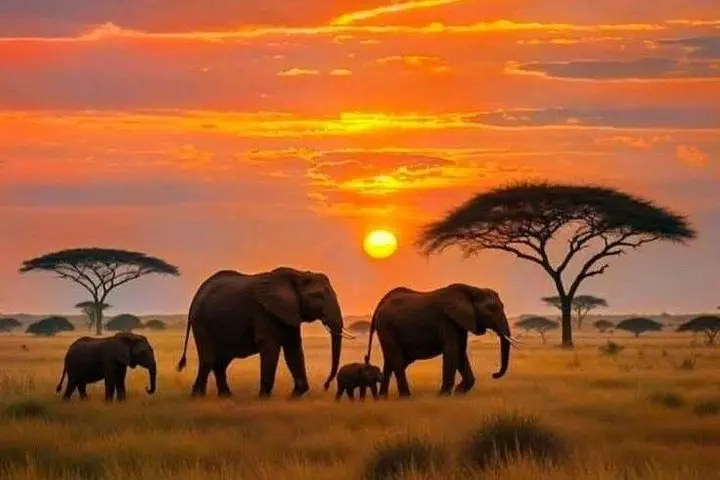
A red-dust road unspools from Nairobi and, after 4–5 hours and roughly 240 km, the landscape opens into the low, wide plains of Amboseli. Mount Kilimanjaro sits beyond the horizon, its snow-capped peak often appearing and disappearing like a slow-breathing giant while herds of elephants move through marshy sodden bowls and skeletal acacia.
Verified experiences and guided adventures in the surrounding area.
Operated by Skynex Safaris · Amboseli National Park, Kajiado County
A red-dust road unspools from Nairobi and, after 4–5 hours and roughly 240 km, the landscape opens into the low, wide plains of Amboseli. Mount Kilimanjaro sits beyond the horizon, its snow-capped peak often appearing and disappearing like a slow-breathing giant while herds of elephants move through marshy sodden bowls and skeletal acacia.
Amboseli’s flat, alkaline plains and seasonal swamps are carved from the Great Rift Valley’s geology; volcanic uplifts to the west and volcanic soil to the east shape water flow and the park’s swampy pockets. The park’s human story is braided with Maasai culture—grazing land, traditional settlements, and community conservancies influence how wildlife and people share space.
Visitors usually base themselves at small camps near Kimana Gate—Manjaro Camp is a common option—and head out for sunrise and afternoon game drives. Observation Hill offers a short climb and the best sweeping vantage of the park and Kilimanjaro; the swamps attract hippos and hundreds of waterbirds, while the open plains reveal elephant families, giraffes and predators.
Practically speaking: expect early starts, long drives by 4x4 across uneven tracks, and full-day drives with picnic lunches. Bring binoculars, layered clothing for cool mornings and hot afternoons, sun protection, and a camera with extra batteries. Hydrate, follow your guide’s instructions around animals, and plan travel time to and from Nairobi when coordinating flights. Amboseli rewards patience—wildlife can appear suddenly and then simply keep moving, daring you to follow.
The road transfer takes about 4–5 hours (≈240 km) via Emali and Kimana Gate, depending on traffic and road conditions.
In many packaged safaris fees are included, but this can vary—confirm with the operator before booking to know exactly what’s covered.
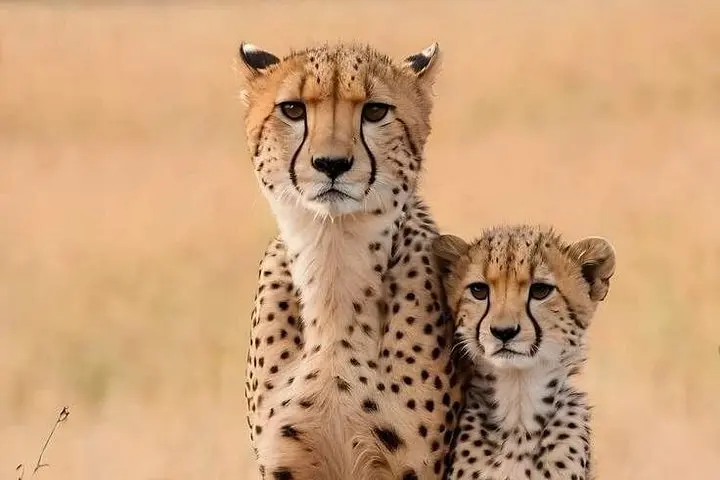
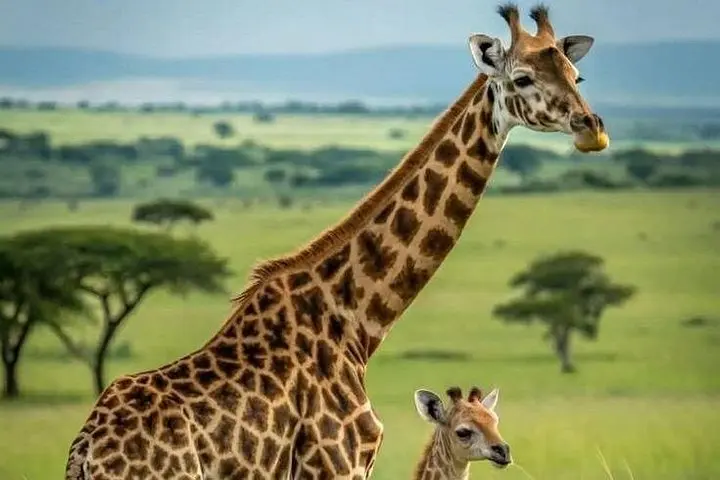
Amboseli is famous for elephant herds, and you’re likely to see giraffes, buffalo, hippos in the swamps, and predators like lions or cheetahs if you spend full days in the park.
The safari is vehicle-based and generally suitable for families, but it may not be ideal for travelers with serious mobility or spine issues; check specific accessibility and seating arrangements with the provider.
Skynex Safaris operates guided outdoor trips and adventures with an emphasis on safety, stewardship, and memorable experiences.
A red-dust road unspools from Nairobi and, after 4–5 hours and roughly 240 km, the landscape opens into the low, wide plains of Amboseli. Mount Kilimanjaro sits beyond the horizon, its snow-capped peak often appearing and disappearing like a slow-breathing giant while herds of elephants move through marshy sodden bowls and skeletal acacia.
A red-dust road unspools from Nairobi and, after 4–5 hours and roughly 240 km, the landscape opens into the low, wide plains of Amboseli. Mount Kilimanjaro sits beyond the horizon, its snow-capped peak often appearing and disappearing like a slow-breathing giant while herds of elephants move through marshy sodden bowls and skeletal acacia.
Amboseli’s flat, alkaline plains and seasonal swamps are carved from the Great Rift Valley’s geology; volcanic uplifts to the west and volcanic soil to the east shape water flow and the park’s swampy pockets. The park’s human story is braided with Maasai culture—grazing land, traditional settlements, and community conservancies influence how wildlife and people share space.
Visitors usually base themselves at small camps near Kimana Gate—Manjaro Camp is a common option—and head out for sunrise and afternoon game drives. Observation Hill offers a short climb and the best sweeping vantage of the park and Kilimanjaro; the swamps attract hippos and hundreds of waterbirds, while the open plains reveal elephant families, giraffes and predators.
Practically speaking: expect early starts, long drives by 4x4 across uneven tracks, and full-day drives with picnic lunches. Bring binoculars, layered clothing for cool mornings and hot afternoons, sun protection, and a camera with extra batteries. Hydrate, follow your guide’s instructions around animals, and plan travel time to and from Nairobi when coordinating flights. Amboseli rewards patience—wildlife can appear suddenly and then simply keep moving, daring you to follow.