THE ADVENTURE COLLECTIVE® · Independent discovery and booking for outdoor travel

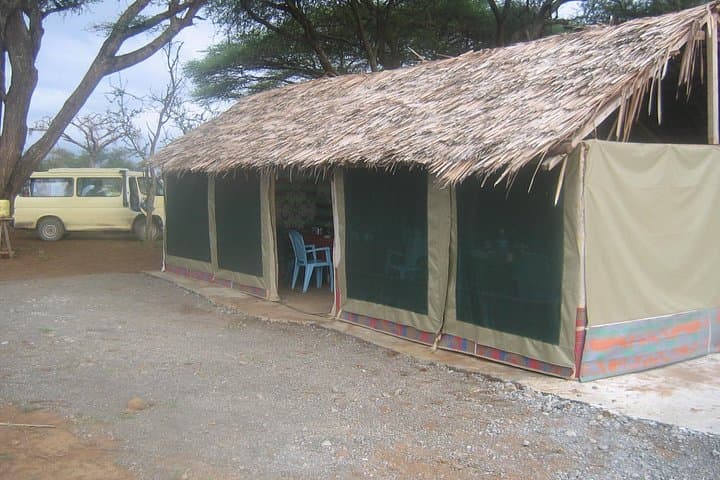
Three days in Amboseli focus on big-tusked elephants, wide plains and near-constant views of Mount Kilimanjaro. This short, vehicle-based safari blends early-morning and late-afternoon game drives with nights at a simple camp near Kimana.
Three days in Amboseli focus on big-tusked elephants, wide plains and near-constant views of Mount Kilimanjaro. This short, vehicle-based safari blends early-morning and late-afternoon game drives with nights at a simple camp near Kimana.
Dawn in Amboseli arrives sharp and bright: the plain exhales dust and the first elephants move like slow decision-makers toward the seasonal swamp, while Kilimanjaro's snowcap holds the morning light as if approving the day.
Verified experiences and guided adventures in the surrounding area.
Operated by Africa Tours · Kimana, Kajiado County
Dawn in Amboseli arrives sharp and bright: the plain exhales dust and the first elephants move like slow decision-makers toward the seasonal swamp, while Kilimanjaro's snowcap holds the morning light as if approving the day.
Amboseli sits at roughly 1,100 m above sea level on the Kenya–Tanzania border, a roughly 392 km² park of open plains, acacia stands and seasonal wetlands carved by drainage from the Rift’s foothills. Historically the park sits on Maasai grazing lands; community conservation and tourism revenues shape modern access and many camps operate in partnership with local groups.
Geology here is quiet but decisive — volcanic soils feeding grasses, and a landscape flattened by ancient faulting that gives uninterrupted sightlines to Kilimanjaro, Africa’s highest peak (5,895 m). Culture is present in roadside bomas and Maasai guides who read animal patterns the way others read a map.
Expect game drives at first and last light: mornings and afternoons of 3–5 hours, gentle vehicle-borne travel over sandy tracks and short rough sections. Observation Hill offers a short climb for sweeping views; swamp edges attract elephants, hippos and flocks of Egyptian pelicans.
Practical notes: the drive from Nairobi is about 4–5 hours (roughly 240 km) on mixed tarmac and gravel. Pack layers for cool mornings, sun protection for midday, and water — game drives are dusty and shade can be scarce. Bring binoculars and a camera with a telephoto lens; charge batteries and carry spare storage. Respect wildlife distances, follow your guide’s instructions, and plan for early starts when animal activity is highest.
Amboseli is roughly 240 km from Nairobi; expect 4–5 hours by road depending on traffic and road conditions, with a mixture of tarmac and gravel.
Consult your doctor for routine vaccinations and malaria prophylaxis recommendations; Amboseli is in a region where malaria precautions are commonly advised.
Yes—game drives are vehicle-based and relatively low-impact, but consult operators about child policies and any mobility needs; some activities may not be recommended for those with serious heart conditions.
Dry months (June–September and January–February) offer reliable wildlife concentrations and clearer views of Kilimanjaro; mornings after rains can also be striking but visibility may decline during wetter periods.
Africa Tours operates guided outdoor trips and adventures with an emphasis on safety, stewardship, and memorable experiences.
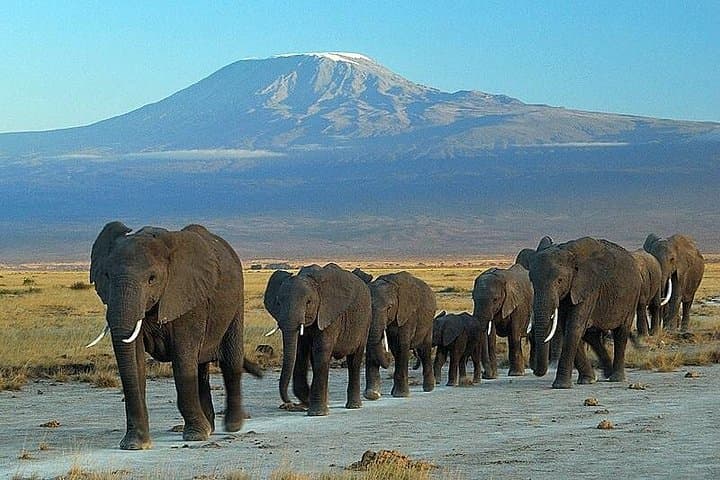
Dawn in Amboseli arrives sharp and bright: the plain exhales dust and the first elephants move like slow decision-makers toward the seasonal swamp, while Kilimanjaro's snowcap holds the morning light as if approving the day.
Dawn in Amboseli arrives sharp and bright: the plain exhales dust and the first elephants move like slow decision-makers toward the seasonal swamp, while Kilimanjaro's snowcap holds the morning light as if approving the day.
Amboseli sits at roughly 1,100 m above sea level on the Kenya–Tanzania border, a roughly 392 km² park of open plains, acacia stands and seasonal wetlands carved by drainage from the Rift’s foothills. Historically the park sits on Maasai grazing lands; community conservation and tourism revenues shape modern access and many camps operate in partnership with local groups.
Geology here is quiet but decisive — volcanic soils feeding grasses, and a landscape flattened by ancient faulting that gives uninterrupted sightlines to Kilimanjaro, Africa’s highest peak (5,895 m). Culture is present in roadside bomas and Maasai guides who read animal patterns the way others read a map.
Expect game drives at first and last light: mornings and afternoons of 3–5 hours, gentle vehicle-borne travel over sandy tracks and short rough sections. Observation Hill offers a short climb for sweeping views; swamp edges attract elephants, hippos and flocks of Egyptian pelicans.
Practical notes: the drive from Nairobi is about 4–5 hours (roughly 240 km) on mixed tarmac and gravel. Pack layers for cool mornings, sun protection for midday, and water — game drives are dusty and shade can be scarce. Bring binoculars and a camera with a telephoto lens; charge batteries and carry spare storage. Respect wildlife distances, follow your guide’s instructions, and plan for early starts when animal activity is highest.